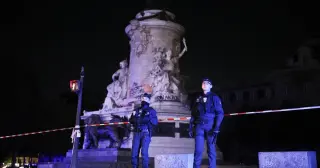
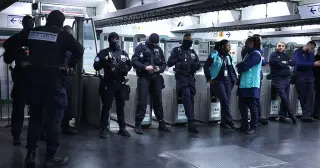
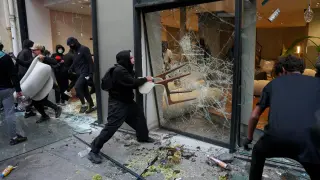
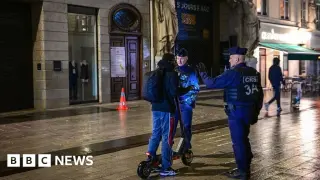
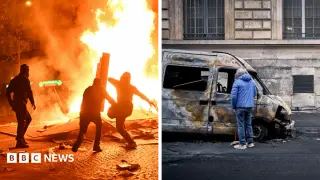
French authorities have banned protests and imposed curfews in major cities to prevent a repeat of the violent riots that erupted last weekend. President Emmanuel Macron stated the measures are necessary to protect businesses and public buildings, while unions and student groups plan further demonstrations despite the restrictions.
French authorities have extended curfews and increased police presence in major cities following weekend riots that resulted in over 2,500 arrests and significant property damage. The unrest, which began in mid-September as student protests over education conditions, has evolved into a broader movement against rising living costs. Prime Minister Sébastien Lecornu promised a massive police deployment ahead of demonstrations scheduled for October 24. While the government faces severe financial constraints, including a public debt of 119% of GDP, President Emmanuel Macron has vowed to punish rioters while addressing the underlying grievances of peaceful protesters.
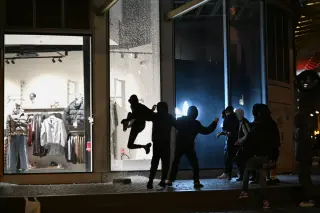
Targeted curfews in major French cities have restored calm after a weekend of violent riots, though public anger remains high. Prime Minister Sébastien Lecornu confirmed that restrictions in Paris, Lyon, and other areas helped prevent further disorder, with new curfews potentially imposed where necessary. The unrest, which began as student protests over education funding and living costs, escalated into widespread looting and arson, damaging over 3,000 businesses. While French markets stabilized on Tuesday after a sharp sell-off, political criticism is mounting over President Emmanuel Macron’s decision to tour the Middle East during the crisis. The government faces a difficult 2027 budget negotiation amid rising borrowing costs and a divided parliament.
French authorities imposed overnight curfews in Paris and other major cities following a weekend of violent riots and looting. The unrest, which began as student protests over education and cost of living, has resulted in over 2,500 arrests and hundreds of millions of euros in damage. While French officials focus on domestic security and economic recovery, US leaders have framed the chaos as evidence against open-border policies, intensifying the political debate ahead of upcoming elections.
Following a weekend of violent riots that resulted in over 2,400 arrests and hundreds of millions of dollars in property damage, French authorities have imposed partial curfews in major cities including Paris, Nice, and Lyon. Prime Minister Sébastien Lecornu blamed far-left groups for the chaos, while Interior Minister Laurent Nuñez offered his resignation. The unrest, which began with student protests over education, has escalated into a broader political and economic crisis ahead of the 2027 presidential election.
French Prime Minister Sébastien Lecornu has called for partial curfews in major cities following a weekend of severe riots that resulted in at least two deaths and over 2,000 arrests. The unrest, which began as student strikes over education funding, escalated into nationwide violence involving looting and arson. President Emmanuel Macron vowed to hold rioters accountable, while Interior Minister Laurent Nuñez offered his resignation over the failure to anticipate the scale of the crisis. Similar protests have emerged in Belgium, Portugal, Italy, and Albania, raising concerns about a broader European wave of unrest.
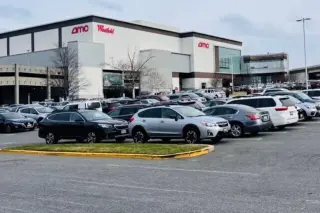
Westfield Wheaton and Westfield Montgomery malls in Maryland will enforce a 3 p.m. curfew for visitors under 18 starting September 28. The new 'Parental Guidance Policy' requires minors to be accompanied by an adult aged 21 or older, with one adult allowed to supervise up to four youths. This measure follows a series of violent incidents, including a July shooting at Wheaton Mall that injured a 13-year-old. While mall management cites safety concerns, community reactions are divided, with some residents calling the rule restrictive and others supporting stricter oversight.
Westfield Wheaton and Westfield Montgomery malls in Maryland will enforce a parental guidance policy starting September 28, 2026. The rule prohibits visitors under 18 from entering the malls after 3 p.m. without an adult aged 21 or older. One adult may supervise up to four minors. The policy applies to both interior spaces and outdoor parking areas, aiming to address recent incidents of youth violence and disorderly conduct.
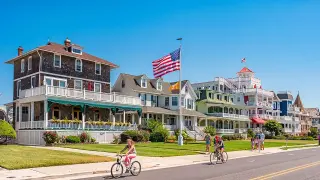
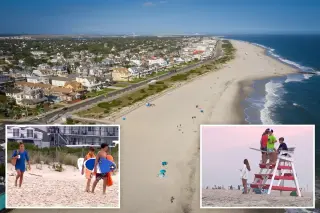
Cape May, New Jersey, has implemented strict nighttime curfews for minors under 18 to address rising concerns over underage drinking and violent gatherings. The new ordinances, approved unanimously by the City Council, prohibit unaccompanied teens from accessing beaches after 8 p.m. and public spaces after 10:30 p.m. Additionally, large bags are banned from the promenade between 8 p.m. and 6 a.m. to prevent concealed alcohol. Officials state these measures are proactive steps to prevent the town from becoming a destination for disruptive youth events that have plagued neighboring Jersey Shore communities.
Cape May, New Jersey, has implemented a new curfew banning unaccompanied minors from beaches after 8 p.m. and public spaces after 10:30 p.m., alongside a ban on large bags, to address recent incidents of fighting and underage drinking.
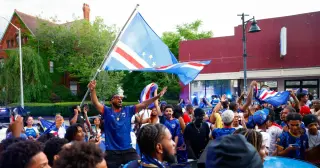
Brockton, Massachusetts, will enforce a temporary 10 p.m.–5 a.m. curfew in parts of the city ahead of Cape Verde’s World Cup knockout match after postgame celebrations were linked to shootings and stabbings; alcohol service ends at 7 p.m. with last call at 9:30 p.m., exemptions apply for first responders and those traveling to work, and officials have requested National Guard assistance as police address ongoing concerns (nine injuries reported).
Brockton, MA — home to the nation’s largest Cape Verdean community — ordered a temporary curfew from 10 p.m. Friday to 5 a.m. Saturday and barred alcohol after 7 p.m. as Cape Verde World Cup celebrations have been linked to violence, with nine people shot, two stabbed and 75 arrests; exemptions for first responders and others approved by police, with a National Guard request being considered.
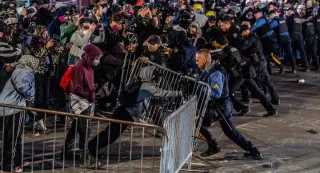
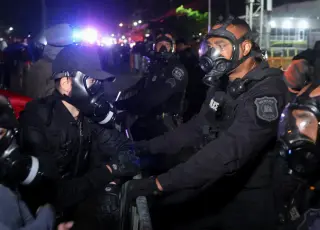
Newark established a 9 p.m.–6 a.m. curfew within a half-mile of the Delaney Hall ICE detention center and closed Doremus Avenue to non‑official traffic amid days of clashes between police and demonstrators over conditions at the facility; state police have checkpoints and arrests have occurred, with officials citing security concerns and ongoing tensions, even as visitation issues for detainees and broader policy questions remain contested.
Newark Mayor Ras Baraka declared a curfew within a half-mile of the Delaney Hall immigration detention center due to escalating protests, restricting movement from 9 p.m. to 6 a.m. and closing a nearby road for non-essential traffic as clashes and concerns about detainee conditions persist around ICE operations.
Newark's mayor announced a limited curfew from 9 p.m. to 6 a.m. in parts of the city after clashes around the Delaney Hall immigration detention center, with Gov. Mikie Sherrill backing the measure as Democrats seek to avoid federal intervention amid ongoing protests and scrutiny of the facility.