Researchers have discovered that a rare childhood cancer, MPNST, relies heavily on sugar metabolism via the pentose phosphate pathway, and inhibiting this pathway could lead to new targeted therapies. However, experts caution against drastic sugar restrictions in children's diets, emphasizing the importance of consulting healthcare professionals for personalized treatment and nutrition plans.
A recent study links the consumption of white, processed bread and other inflammatory foods like processed meats and sugary drinks to an increased risk of death from colon cancer, while foods like dark yellow vegetables and coffee may offer protective benefits. The research emphasizes the importance of a healthy, balanced diet and physical activity in reducing cancer risk and improving outcomes, highlighting the potential of dietary interventions in cancer prevention and management.
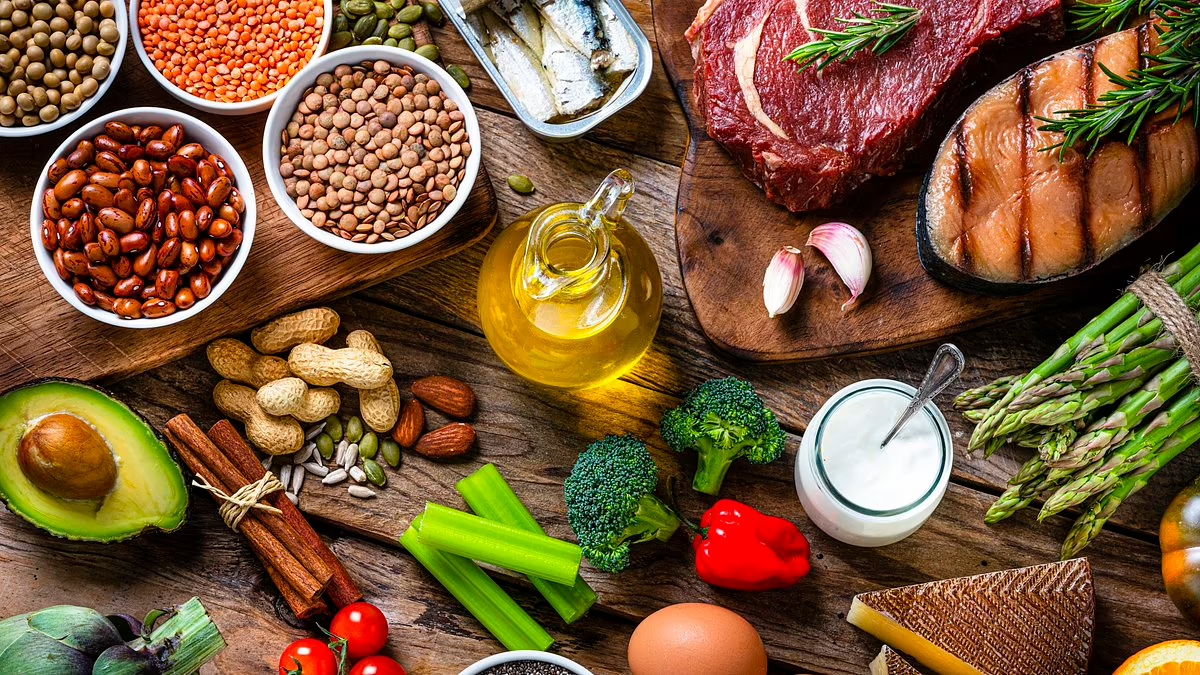
Following a keto diet may have therapeutic benefits for people with breast cancer, according to a review from the University of Catania in Italy. Previous studies have shown that diet plays a role in breast cancer risk, with unhealthy dietary practices potentially increasing the risk. Conversely, healthy dietary patterns have been linked to reduced breast cancer recurrence and all-cause mortality in survivors. The keto diet, which focuses on protein and healthy fats while limiting carbohydrates, has shown potential benefits such as weight loss and improved heart health. However, the review cautions that clinical trials are needed to confirm the positive effects and assess the safety and long-term effects of sustained ketosis in cancer patients. Experts emphasize the importance of consulting healthcare professionals before making any dietary changes, especially for individuals undergoing cancer treatment.