Tag

Deer

All articles tagged with #deer

Cornell's DEER method revives aging EV battery electrodes without shredding
technology21 days ago

Cornell's DEER method revives aging EV battery electrodes without shredding

Cornell researchers unveiled Direct Electrode-to-Electrode Regeneration (DEER), a method to restore aging lithium‑ion EV battery electrodes by removing thick SEI layers in a DMI bath, enabling regenerated cells to reach up to 95% of original capacity with slower degradation; the process requires disassembly and is best when SEI buildup is the main aging factor, not for cells with lithium loss or structural damage, and could cut refurbishment costs to about $15/kg (vs ~ $26/kg for conventional recycling) if solvent reuse is feasible.

DEER Regeneration Restores End-of-Life Lithium Batteries to 95% Capacity
technology23 days ago

DEER Regeneration Restores End-of-Life Lithium Batteries to 95% Capacity

Cornell researchers introduce Direct Electrode-to-Electrode Regeneration (DEER), a chemical method that restores end-of-life lithium-ion batteries to about 95% of their original capacity by removing the SEI layer with a DMI bath, slowing degradation and enabling electrode reuse in new packs; DEER is not a universal replacement for recycling and is limited to still-operational cells whose capacity loss is SEI-related (70–80% remaining). The process faces scale-up challenges, with lab results showing up to 800 cycles before degradation accelerates and a cost estimate of roughly $15.25 per kg for DEER-regenerated cells versus $26.31 per kg for traditional methods, with further reductions possible when recovering the DMI solvent. Could boost EV battery circularity but large-scale deployment remains uncertain.

EHD virus detected in Michigan deer across four counties, officials say
local25 days ago

EHD virus detected in Michigan deer across four counties, officials say

Michigan officials have confirmed epizootic hemorrhagic disease (EHD) in free-ranging white-tailed deer in Branch, Ingham, Jackson and Lenawee counties. EHD is transmitted by biting midges and cannot spread directly between deer; there is no evidence of risk to humans, pets, or other wildlife. Outbreaks are usually localized and may persist in areas for a few years, with frost helping to halt transmission. Venison from affected areas is safe to eat, though animals showing visible sickness should not be consumed. Report suspected sick or dead deer through the DNR’s Eyes in the Field online system for testing and monitoring.

Hemorrhagic disease challenges Missouri deer hunters
science25 days ago

Hemorrhagic disease challenges Missouri deer hunters

Missouri wildlife officials report outbreaks of hemorrhagic disease in white-tailed deer this summer, caused by Epizootic Hemorrhagic Disease virus and bluetongue virus spread by biting midges. There is no cure or vaccine; outbreaks typically peak July–October, and public reports help track spread and deer numbers. While the disease can cause rapid deer deaths, the overall deer population generally recovers within a few years.

Tiny midges drive a deadly deer outbreak in Wisconsin
environment1 month ago

Tiny midges drive a deadly deer outbreak in Wisconsin

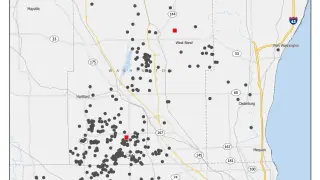
More than 700 white-tailed deer have died in Wisconsin this summer from epizootic hemorrhagic disease (EHD), a viral illness spread by biting midges. Outbreaks peak in late summer and fall; **DNR** tests have confirmed EHD in Washington County with additional reports in nearby counties. EHD is not transmissible to humans, and outbreaks typically fade after frost when the midges die; survivors may develop antibodies that help resist future outbreaks.

Epizootic Hemorrhagic Disease triggers deer die-off across SE Wisconsin
science1 month ago

Epizootic Hemorrhagic Disease triggers deer die-off across SE Wisconsin

Nearly 900 reports of dead deer in southeastern Wisconsin are tied to Epizootic Hemorrhagic Disease (EHD), with most cases in Washington County and additional reports in Waukesha and Ozaukee counties. The DNR cautions numbers may include duplicates and notes the outbreak could reduce local deer numbers this fall, though Wisconsin’s overall deer population remains robust. EHD is spread by biting midges and poses no risk to humans; residents can report sick or dead deer online or by calling 608-267-0866.

Wisconsin tracks widening deer disease outbreak as deaths surge
science1 month ago

Wisconsin tracks widening deer disease outbreak as deaths surge

Wisconsin wildlife managers say an Epizootic Hemorrhagic Disease (EHD) outbreak is spreading among wild deer, with about 600 reports of recently dead deer received statewide (including a confirmed case in Washington County and suspected cases in northern Waukesha and Ozaukee counties). The Department of Natural Resources is monitoring sightings and urging the public to report unusual deer deaths. EHD has been a recurring issue since 2002, affecting 24 counties at various times, but it does not pose a risk to humans; most fatalities occur in deer populations, not people.

Wisconsin deer die-off spurs DNR EHD warning in suburbs
local1 month ago

Wisconsin deer die-off spurs DNR EHD warning in suburbs

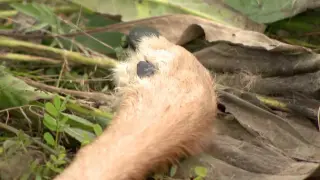
A West Bend couple reports four dead deer over 10 days as the Wisconsin DNR links the fatalities to epizootic hemorrhagic disease (EHD), a virus spread by biting midges. The agency cites hundreds of dead deer in Washington and Waukesha counties, notes EHD does not threaten humans, and encourages residents to report carcasses to the DNR.

EHD Outbreak Decimates Wisconsin Deer Across SE Counties
environment1 month ago

EHD Outbreak Decimates Wisconsin Deer Across SE Counties

An outbreak of epizootic hemorrhagic disease (EHD) spread by midges has killed at least 600 white-tailed deer across Ozaukee, Washington, and Waukesha counties in southeastern Wisconsin as of late August. The DNR confirmed EHD in samples from Washington County and continues to receive reports of deer deaths in the three counties. EHD is not transmissible to humans; it typically causes rapid illness and death in deer, with survivors developing antibodies. Local governments are disposing of carcasses and the DNR will test only if a case appears far from the known outbreak area. Outbreaks typically end after the first hard frost. Residents are urged to report sick or dead deer via the DNR reporting form, email, or phone.

Wisconsin Faces Deer Die-Off as EHD Outbreak Expands in Washington and Waukesha Counties
environment1 month ago

Wisconsin Faces Deer Die-Off as EHD Outbreak Expands in Washington and Waukesha Counties

More than 700 dead deer have been reported in Wisconsin’s Washington and Waukesha Counties amid an Epizootic Hemorrhagic Disease outbreak; the DNR says EHD has been detected in deer near Richfield and West Bend and is spreading via midges, with no known way to stop it—though frost may slow transmission. The virus does not affect humans. Residents can report sick or dead deer to the DNR by link, email, or phone.