US stocks hovered near session highs after a record-start week, with the Dow, S&P 500 and Nasdaq up about 0.1% as investors weigh a chip-led rally, stronger dollar, looming jobs data, and oil’s retreat, ahead of Nike’s quarterly results and other near-term catalysts.
Asian shares fell, on track for a second weekly decline as the Iran-Israel conflict keeps oil near $100, prompting investors to pare Fed-rate-cut expectations to around 20 basis points and lifting the dollar. Equities and yields moved with oil and inflation worries in focus ahead of next week’s central-bank meetings, with the MSCI Asia-Pacific index down about 0.5% for the week and major markets like Japan, Korea and Taiwan lingering in the red.
The article discusses the impact of the strengthening U.S. dollar on oil and natural gas markets, highlighting diverging trends in these commodities. It emphasizes the importance of conducting personal research and consulting advisors before making investment decisions, as the information provided is for educational purposes and not a recommendation for action.
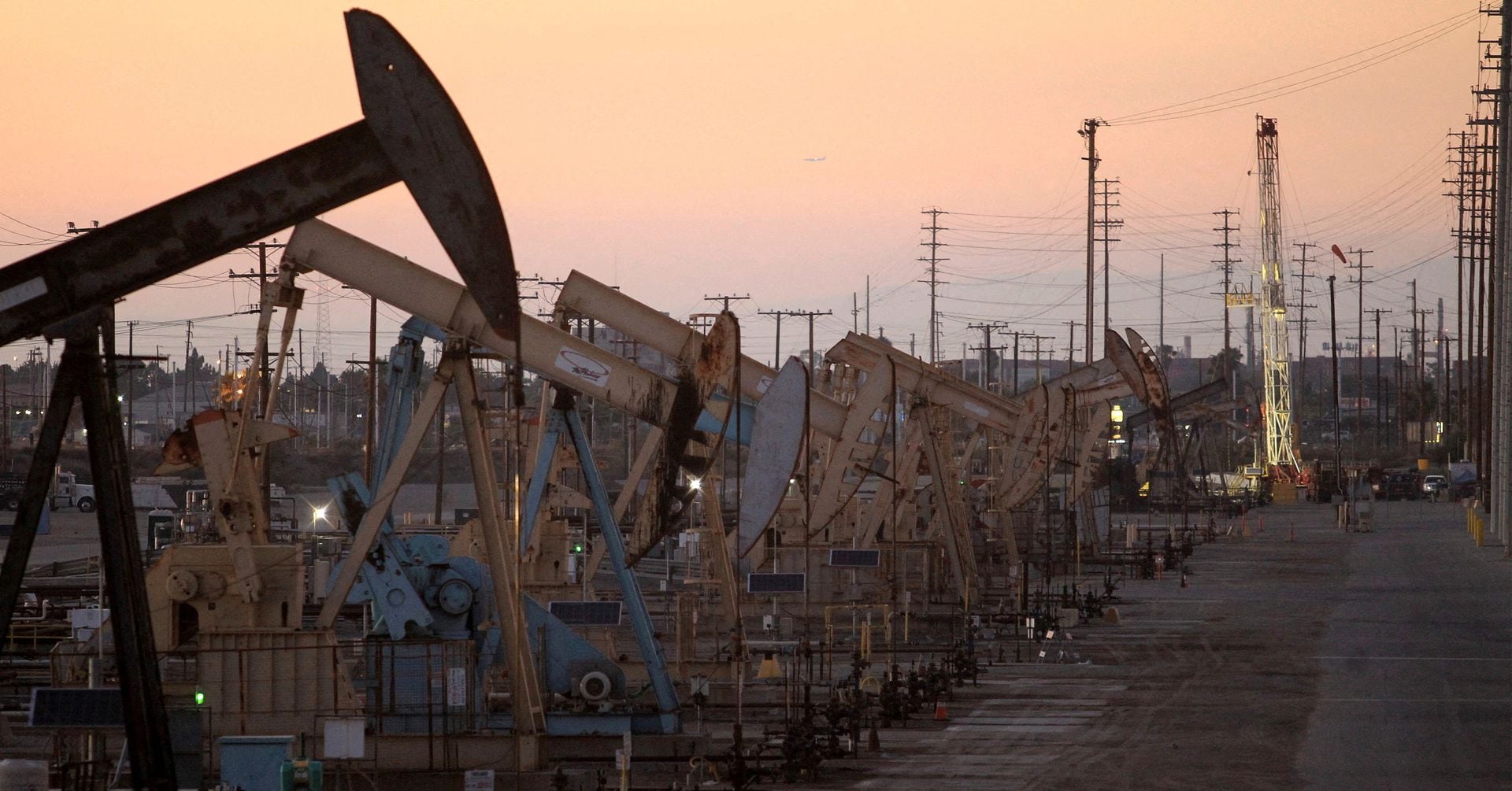
Oil prices fell as the dollar strengthened on concerns that higher inflation could delay U.S. interest rate cuts, with Brent crude futures dropping 0.4% to $81.27 a barrel and U.S. West Texas Intermediate crude futures declining 0.5% to $76.14 a barrel. The market is caught between bullish factors such as lower OPEC output and geopolitical risks, and bearish concerns about weak demand in China. Despite this, Goldman Sachs raised its summer peak price forecast to $87 a barrel due to disruptions in the Red Sea, while also expecting oil demand to grow by 1.5 million barrels per day in 2024. Geopolitical tensions in the Middle East and Qatar's plans to increase liquefied natural gas production further contribute to global energy supply concerns.
Oil prices dropped below $90 a barrel due to a stronger dollar and concerns over high interest rates following strong economic data. The extension of voluntary oil cuts by Saudi Arabia and Russia also contributed to market uncertainty. However, the market remains cautious as the cuts will be reviewed monthly, and potential obstacles such as U.S. refinery maintenance and increased supply from Iran, Venezuela, and Libya could impact prices.