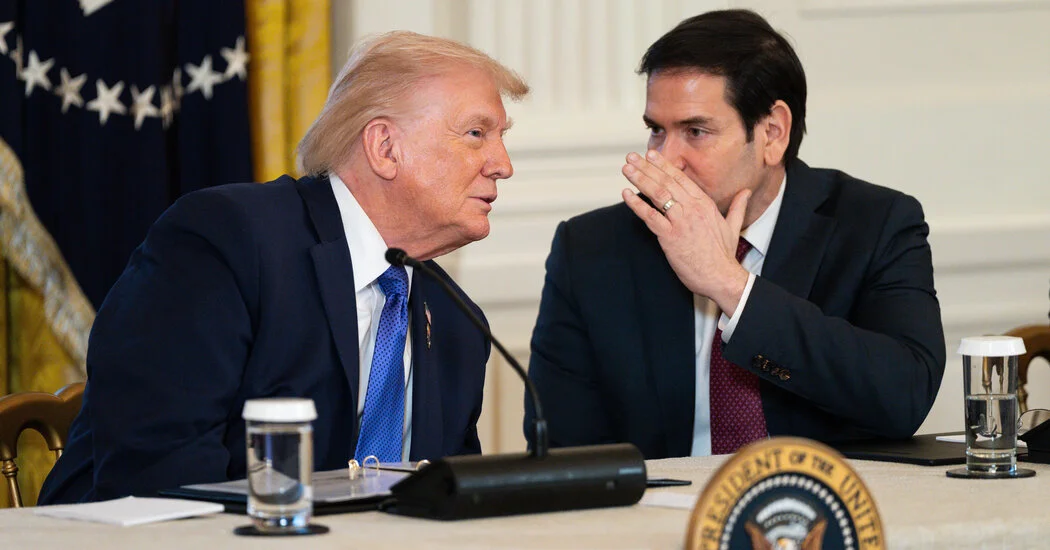
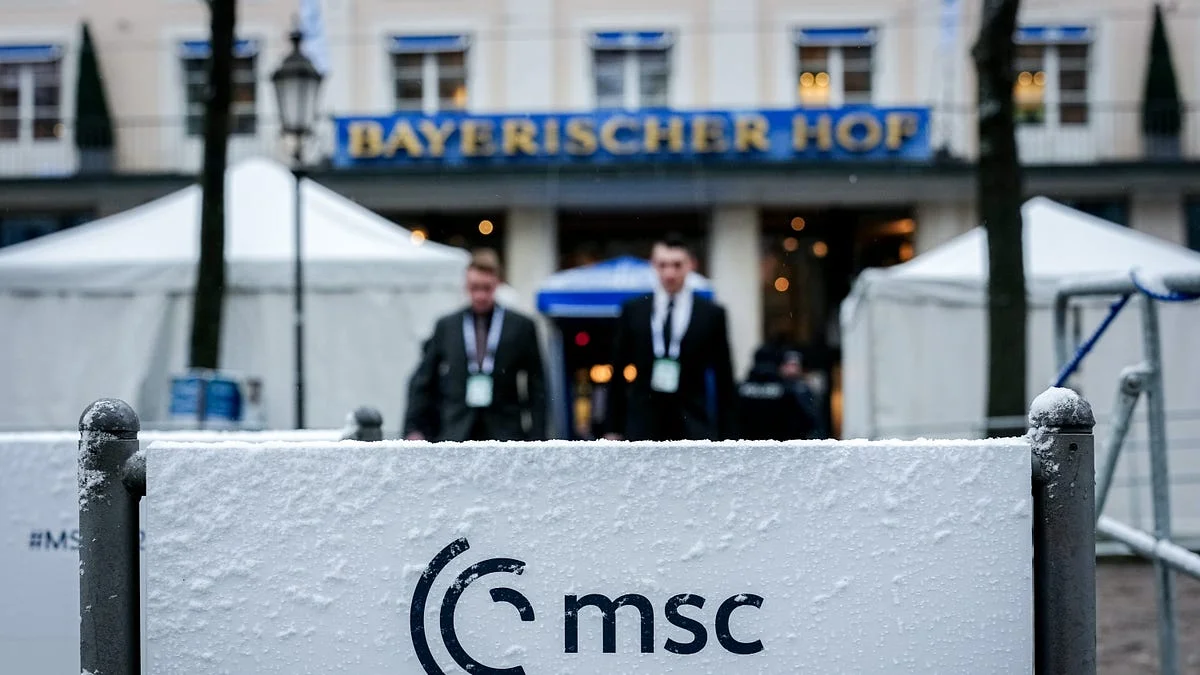
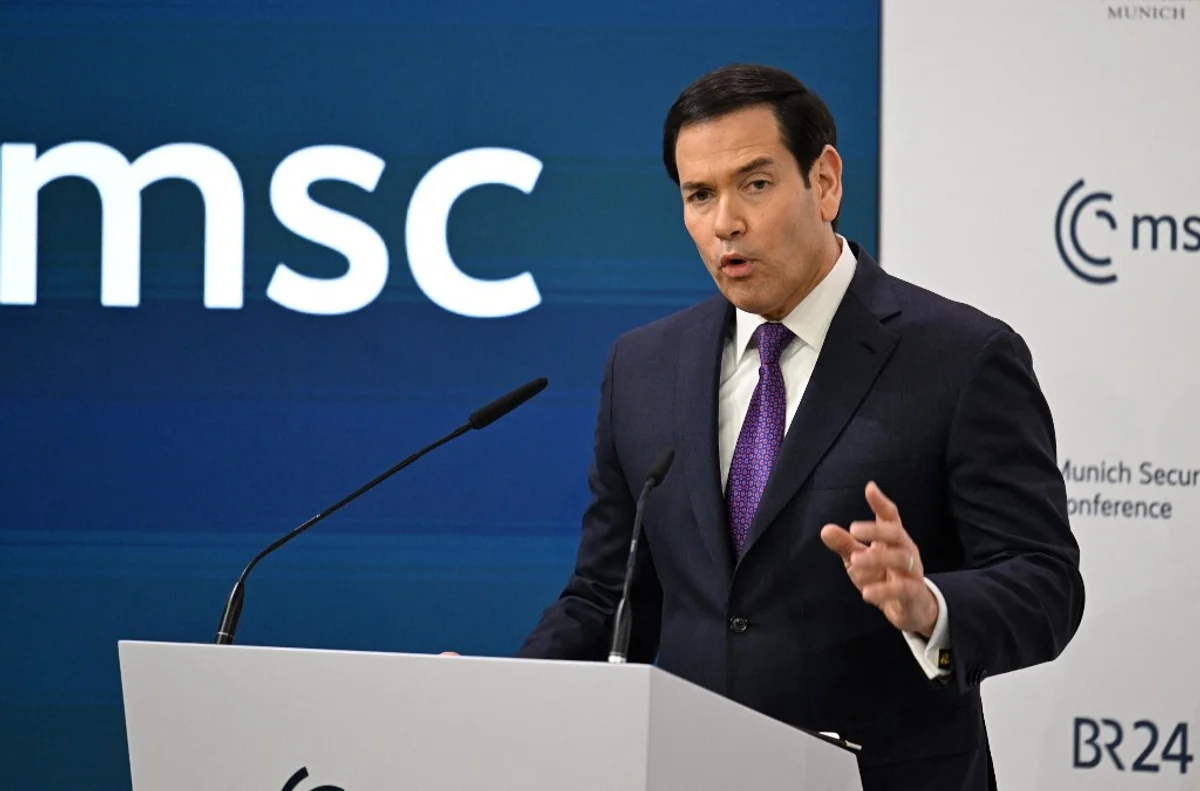
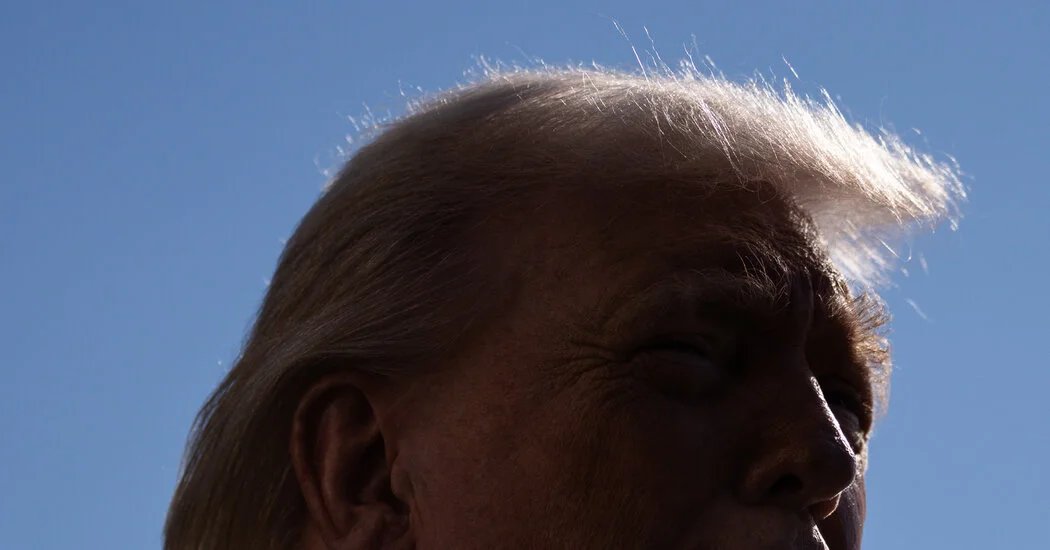
Trump’s “America First” policy is framed as a reinvigoration of global primacy that resembles a Western imperial project, with Rubio’s Munich speech praising empire and civilizational heritage, a stance critics say could destabilize the Global South and invite rival powers while not retreating from global engagement.
An op‑ed from The Bulwark argues that US-European alliances are a strategic asset, not charity. Rubio and Colby use Munich to push a transactional view of burden-sharing, potentially eroding NATO and deterrence, while the piece emphasizes that Europe’s forward US presence enables rapid crisis response and power projection. European defense spending has risen largely due to Russia, not American coercion, and NATO’s cohesion is essential for US interests; treating alliances as negotiable could weaken the security architecture that underpins American strategy.
At Munich, Rubio warned Russia is losing about 7,000–8,000 troops weekly (dead, not wounded) in Ukraine, and UK officials say Moscow is recruiting foreign fighters to sustain the war as losses outpace recruitment, signaling a protracted conflict with Ukraine enduring severe energy infrastructure damage.
Trump’s insult calling Gavin Newsom a 'loser' during a Munich Security Conference moment drew attention to Newsom’s European diplomacy, but Newsom’s advisers say the blowback is a strategic win, elevating Newsom as the main challenger to Trump and highlighting California’s climate-focused pacts and soft-power diplomacy with the UK.
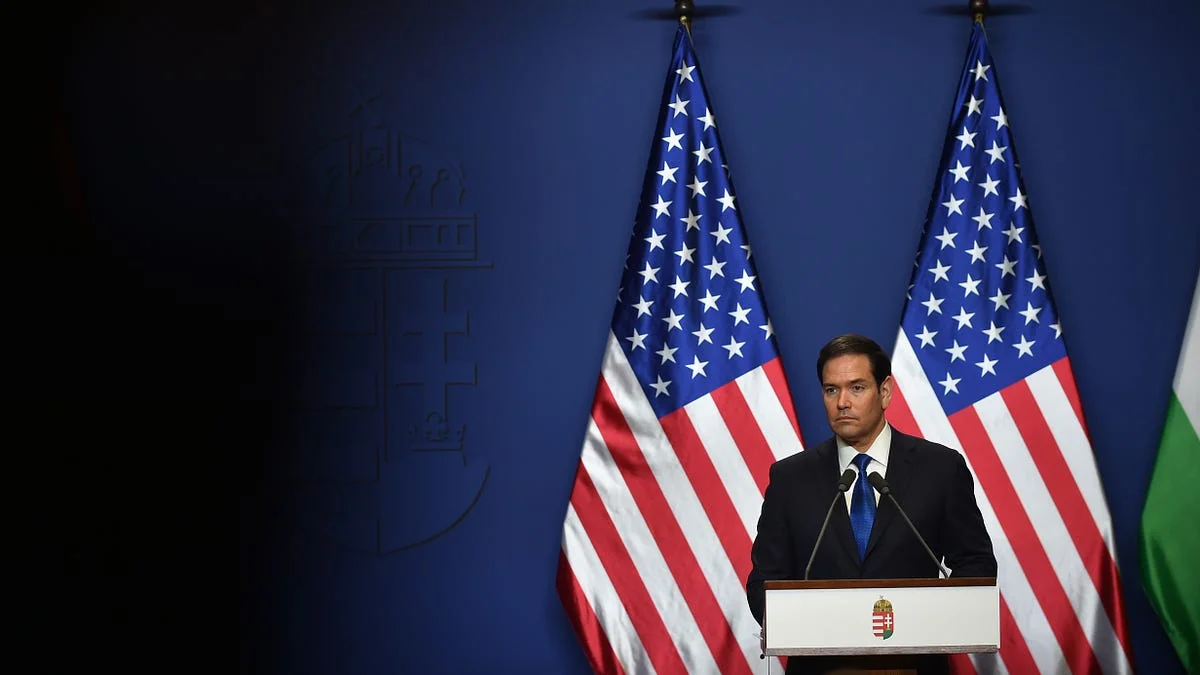
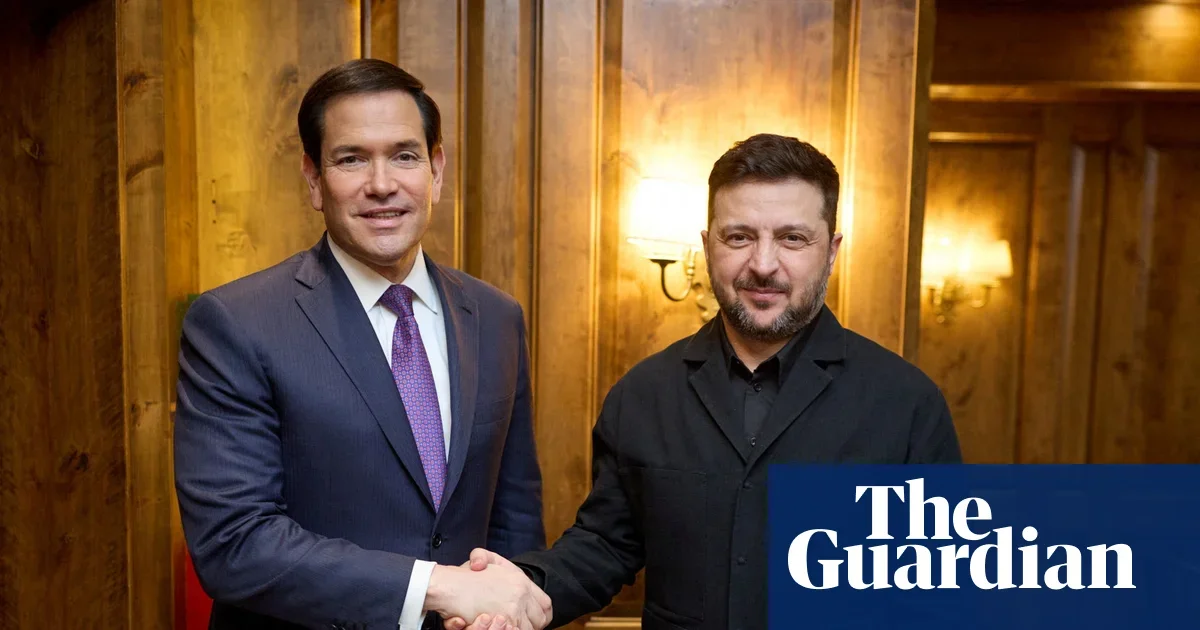
At the Munich Security Conference, Rubio sought to reassure Europe that the US still values the alliance while pressing for reciprocity and shared resolve. German Chancellor Merz countered by warning that the liberal international order is fraying and Europe must prepare for a multipolar world. The piece argues Rubio’s outreach mirrors Trumpism with a human face, and his post‑ Munich meetings with Orbán and Fico signal Europe’s growing willingness to chart a course beyond Washington, including new economic blocs and recalibrated transatlantic ties.
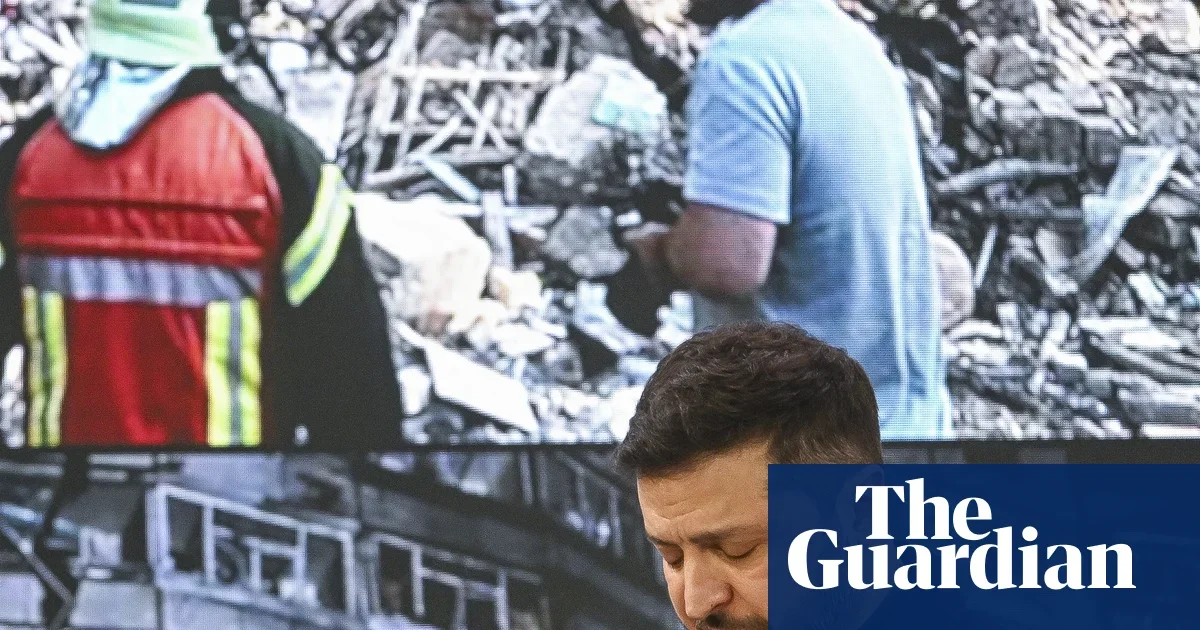
At Munich, Zelenskyy branded Putin a 'slave to war,' warned Russia has damaged Ukraine’s power grid, and pressed for US-brokered talks next week with security guarantees for at least 20 years and a clear EU membership timeline, as allies discuss Europe’s defense stance; drone strikes caused civilian casualties in Ukraine and Russia.
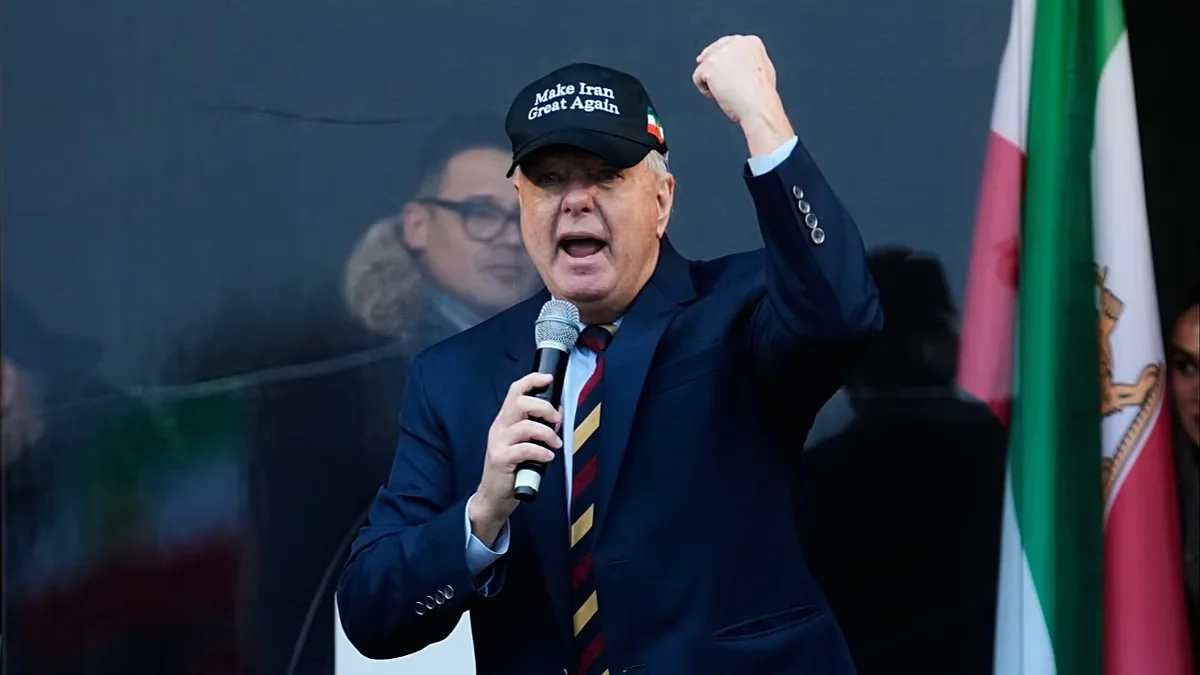
At the Munich Security Conference, U.S. Senator Lindsey Graham urged Saudi Arabia and the UAE to resolve recent rifts and present a united front on Iran, warning that Gulf divisions could bolster Tehran while Washington signals its readiness with forces in the region amid Yemen and Sudan tensions and stalled nuclear talks.
A Ukrainian drone strike hit Russia’s Black Sea port of Taman, starting fires and damaging an oil storage tank, warehouse and terminals and wounding two people, while debris from Russian drones damaged civilian infrastructure in Ukraine’s Odesa region, disrupting power and water supplies, ahead of a new round of US-brokered talks in Geneva; Kyiv said it expects European energy and military aid by February 24 as diplomacy continues, and Western officials warned Moscow still seeks concessions. At Munich, European leaders urged that any lasting peace require security guarantees and cautioned that lifting sanctions could enable Russia to re-arm; Slovakia’s Fico accused Kyiv of delaying a pipeline restart to pressure Hungary over EU membership, while Russia’s army chief claimed gains near eastern villages, though these claims could not be independently verified.
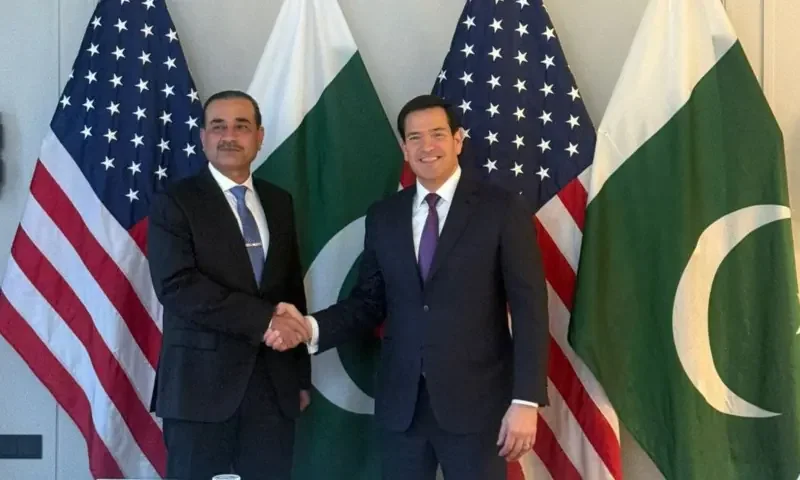
Pakistan’s Chief of Defence Forces Field Marshal Asim Munir met U.S. Secretary of State Marco Rubio in Germany on the sidelines of the Munich Security Conference to discuss mutual security interests, global and regional security dynamics, and counterterrorism cooperation, while also engaging with German, Brazilian, and Lebanese military leaders on bilateral and multilateral defence cooperation.
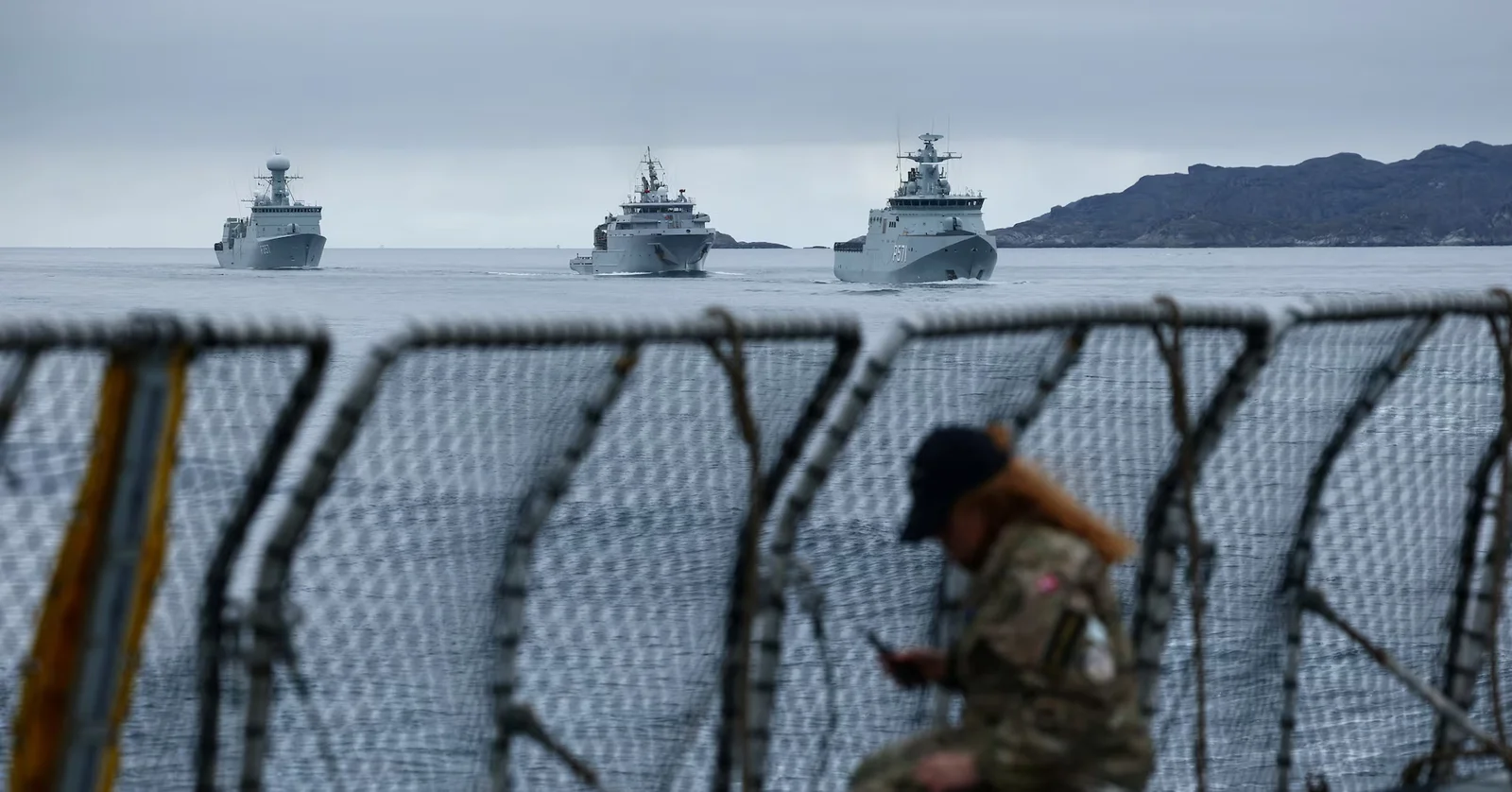
The Munich Security Conference underscored Europe’s push for greater strategic autonomy, with leaders flirting with independent defenses (including a potential European nuclear deterrent) while urging closer UK-EU defense ties; Arctic tensions around Greenland and Ukraine’s demand for durable security guarantees and a clear EU path dominated the agenda, even as questions about U.S.–European unity linger amid the rise of alternative foreign-policy voices.
At the Munich Security Conference, European leaders signalled a shift to rely less on the United States and to bolster a stronger European pillar within NATO, citing Donald Trump’s Greenland move as a catalyst. They backed faster defence integration, debated European nuclear deterrence and joint programmes like ELSA and FCAS, and acknowledged funding and procurement hurdles as defence spending climbs.
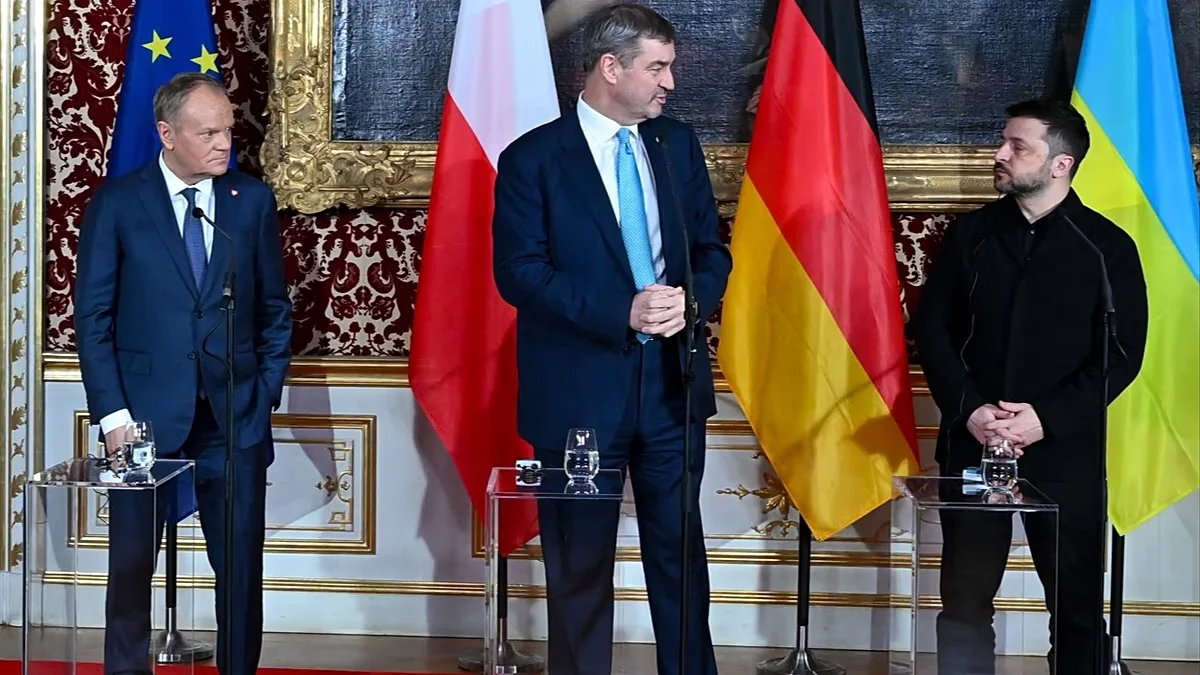
Poland's Prime Minister Donald Tusk told the Munich Security Conference that Europe and NATO must stay strong and united in support of Ukraine, arguing against West or NATO collapse narratives and emphasizing the value of Western democracy and freedoms with the call that 'we must not stop being good.'
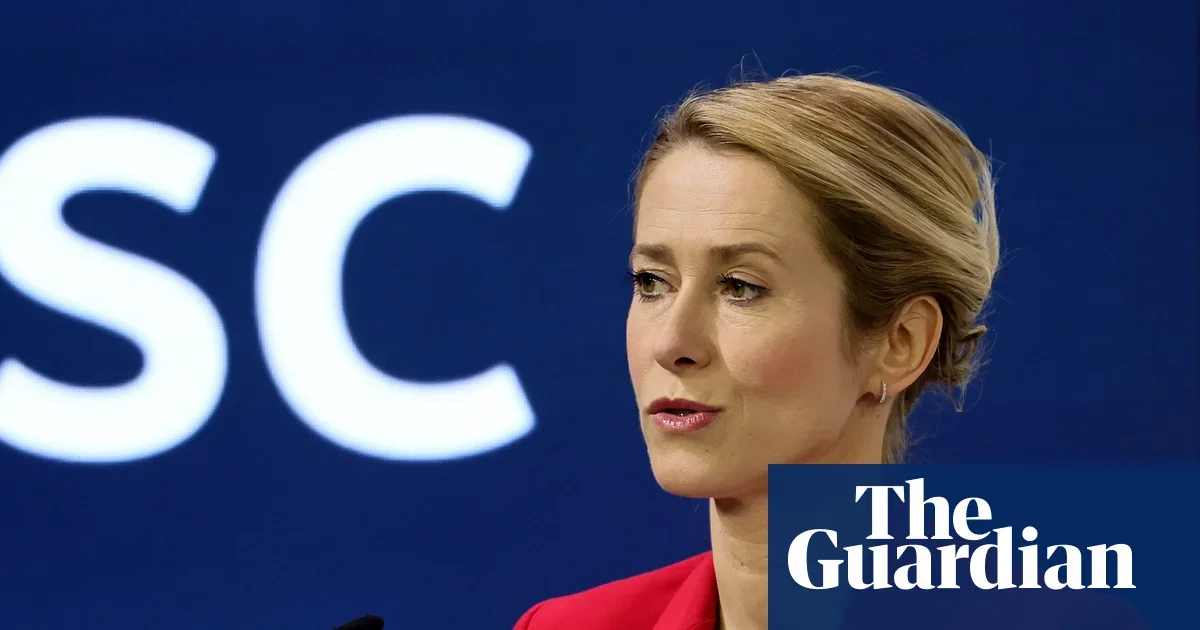
EU foreign policy chief Kaja Kallas rejected US claims of civilizational erasure, calling Washington’s critique “fashionable euro-bashing” and underscoring Europe’s enduring values, media freedom, and pivotal role in Ukraine. Rubio signaled a willingness to partner with Europe but tied it to US leadership on migration, trade and defense, highlighting the ongoing transatlantic debate at the Munich Security Conference.
Trump’s Greenland gambit left lasting strains in US-EU ties, and at Munich lawmakers urged a new, cooperative foreign-policy path—reducing military adventurism, rebuilding alliances, and expanding engagement with the Global South—though European trust will take time to repair.
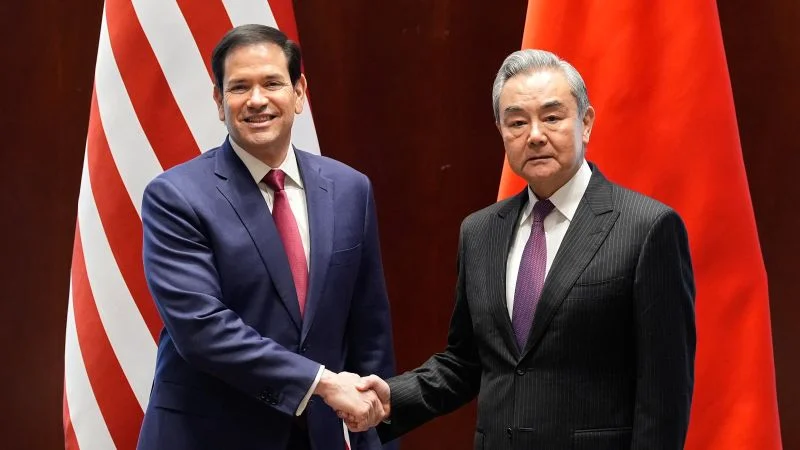
At the Munich Security Conference, Rubio sought to reassure European leaders of the U.S. commitment to the transatlantic alliance as Beijing’s Wang Yi pitched a China–EU partnership that rejects bloc confrontation and unilateralism. The exchanges come as Europe weighs trade deficits and supply-chain concerns with China, plus wary views on China’s stance on Taiwan and Russia, signaling a broader shift toward a multi‑polar global order with Europe potentially acting as a hinge between Washington and Beijing.