
Tag

Dsup

All articles tagged with #dsup

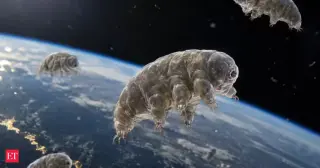
Space Water Bears: 68% of Tardigrades Revived After 10 Days in Orbit
science1 month ago

Space Water Bears: 68% of Tardigrades Revived After 10 Days in Orbit

In 2007, ESA’s Biopan-6 exposed about 3,000 tardigrades to vacuum and solar ultraviolet radiation in low Earth orbit for 10 days. Upon rehydration, 68% of Milnesium tardigradum revived within about 30 minutes in the UV-exposed group, while vacuum alone left survival unaffected and exposure to the full solar spectrum yielded only three survivors. The findings underscore tardigrades' extreme resilience and have spurred research into the Dsup protein's potential to shield human cells from radiation, with implications for cancer radiotherapy and long-duration spaceflight.
Tardigrades Survive the Extreme by Turning into a Glassy, Time-Stopped State
science4 months ago

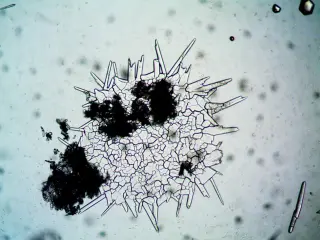
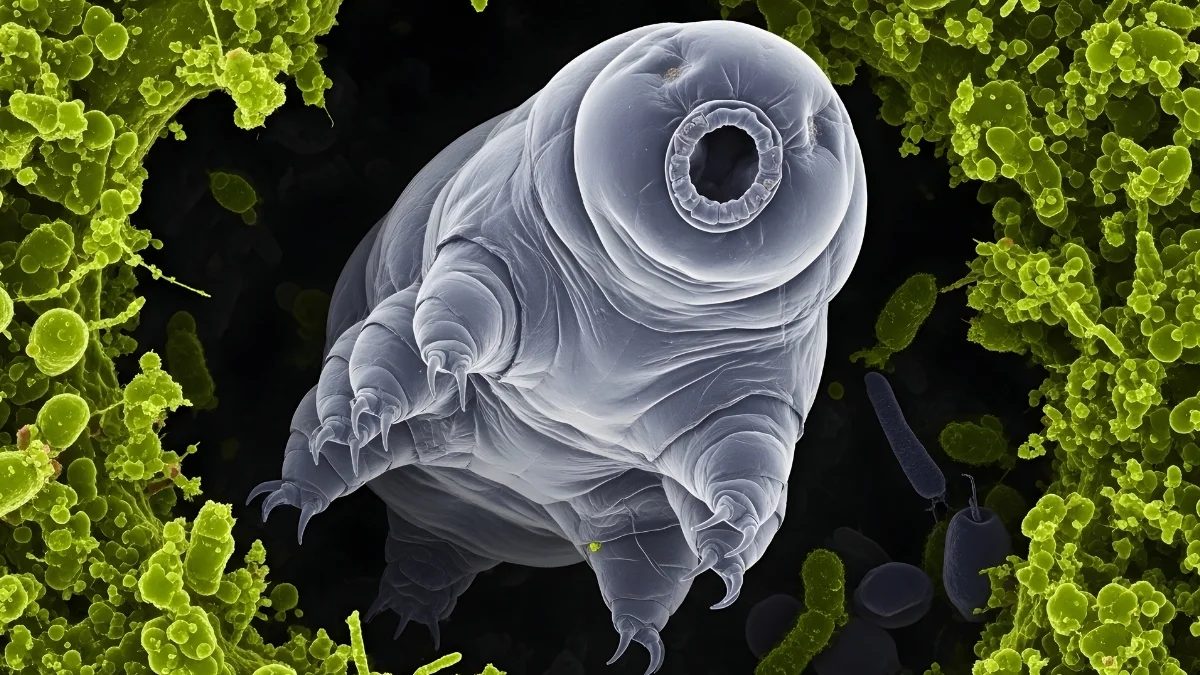
Tardigrades Survive the Extreme by Turning into a Glassy, Time-Stopped State

Tardigrades endure boiling, freezing, vacuum, and high radiation by drying into a glass-like tun that halts metabolism. This cryptobiosis is enabled by tardigrade-specific proteins (TDPs) that form a protective amorphous solid and the Dsup protein that shields DNA from radiation. They’ve been revived after years and even sent to space (ISS), with ongoing studies aiming to apply these mechanisms for radioprotection and dry, room-temperature biomedical storage, though translating to humans remains far off.

Tardigrades' Genetic Secret Could Enhance Human Resilience
science11 months ago

Tardigrades' Genetic Secret Could Enhance Human Resilience

Scientists have discovered a protein called Dsup in tardigrades that protects DNA from damage, inspiring potential medical and technological applications such as cancer therapy, organ protection during strokes, crop resilience, space exploration, and data storage. Early studies show promise in using Dsup to enhance human cell resilience and protect against radiation and oxidative stress, with ongoing research to fully understand its mechanisms.