
Tag

Radioprotection

All articles tagged with #radioprotection

Gut Fungus Could Shield the Body from Radiation, Study Finds
science1 month ago

Gut Fungus Could Shield the Body from Radiation, Study Finds

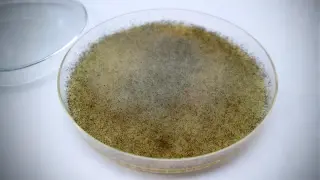
A PNAS study shows the gut-dwelling fungus Mucor racemosus can reduce radiation-related damage in mice by producing protective amino acids (L-glutamic acid, L-aspartic acid, DL-lysine) and by MTA-mediated changes in gut bacteria that raise methionine. The radioprotective effect persists in germ-free mice and is enhanced when the fungus is preadapted to the gut’s low-oxygen environment; feeding irradiated mice cheese fermented with the fungus also reduced inflammation and improved gut barriers. While promising, more research is needed before humans can rely on this, and immunocompromised individuals should be cautious—even though the fungus occurs in some fermented foods and is FDA-approved for dietary use.
Space Water Bears: 68% of Tardigrades Revived After 10 Days in Orbit
science1 month ago

Space Water Bears: 68% of Tardigrades Revived After 10 Days in Orbit

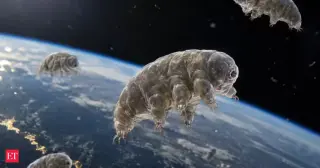
In 2007, ESA’s Biopan-6 exposed about 3,000 tardigrades to vacuum and solar ultraviolet radiation in low Earth orbit for 10 days. Upon rehydration, 68% of Milnesium tardigradum revived within about 30 minutes in the UV-exposed group, while vacuum alone left survival unaffected and exposure to the full solar spectrum yielded only three survivors. The findings underscore tardigrades' extreme resilience and have spurred research into the Dsup protein's potential to shield human cells from radiation, with implications for cancer radiotherapy and long-duration spaceflight.

Tardigrades Survive the Extreme by Turning into a Glassy, Time-Stopped State
science4 months ago

Tardigrades Survive the Extreme by Turning into a Glassy, Time-Stopped State

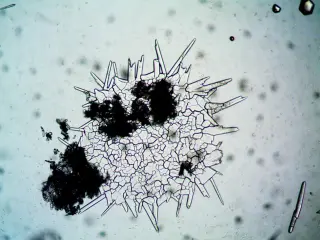
Tardigrades endure boiling, freezing, vacuum, and high radiation by drying into a glass-like tun that halts metabolism. This cryptobiosis is enabled by tardigrade-specific proteins (TDPs) that form a protective amorphous solid and the Dsup protein that shields DNA from radiation. They’ve been revived after years and even sent to space (ISS), with ongoing studies aiming to apply these mechanisms for radioprotection and dry, room-temperature biomedical storage, though translating to humans remains far off.