Tag

Cryptobiosis

All articles tagged with #cryptobiosis

Tardigrades Survive the Extreme by Turning into a Glassy, Time-Stopped State
science14 hours ago

Tardigrades Survive the Extreme by Turning into a Glassy, Time-Stopped State

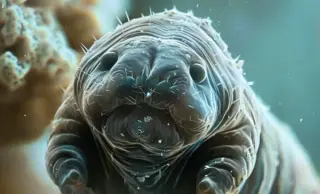
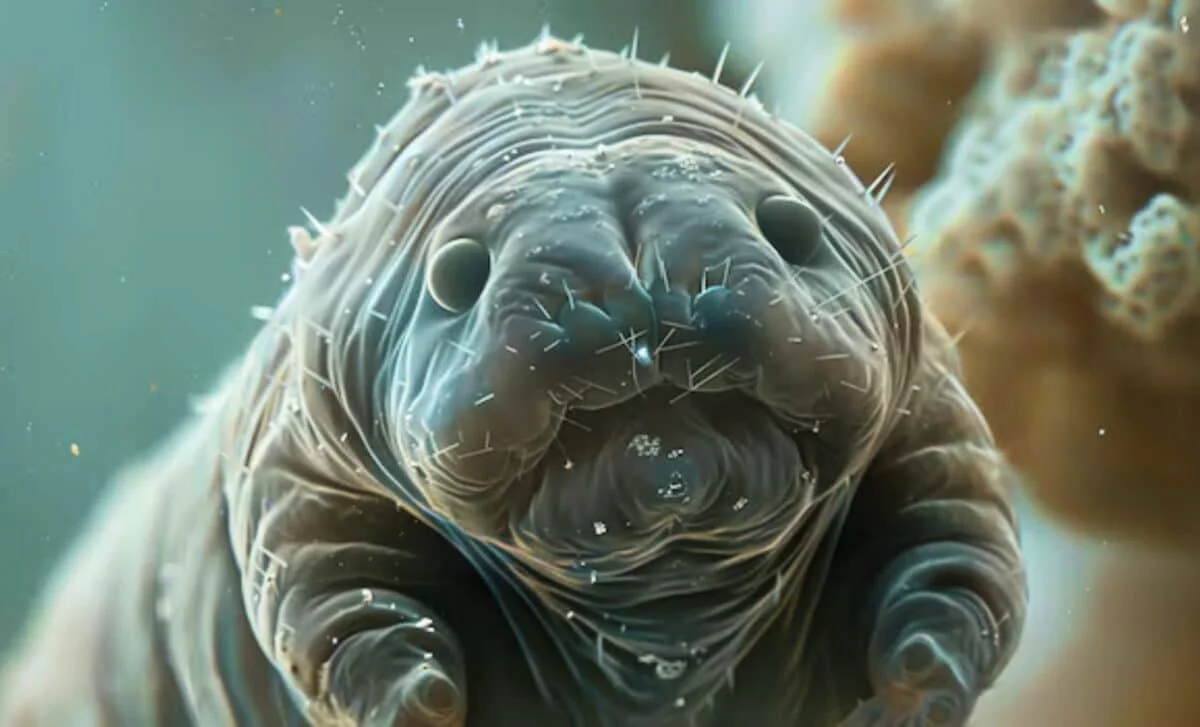
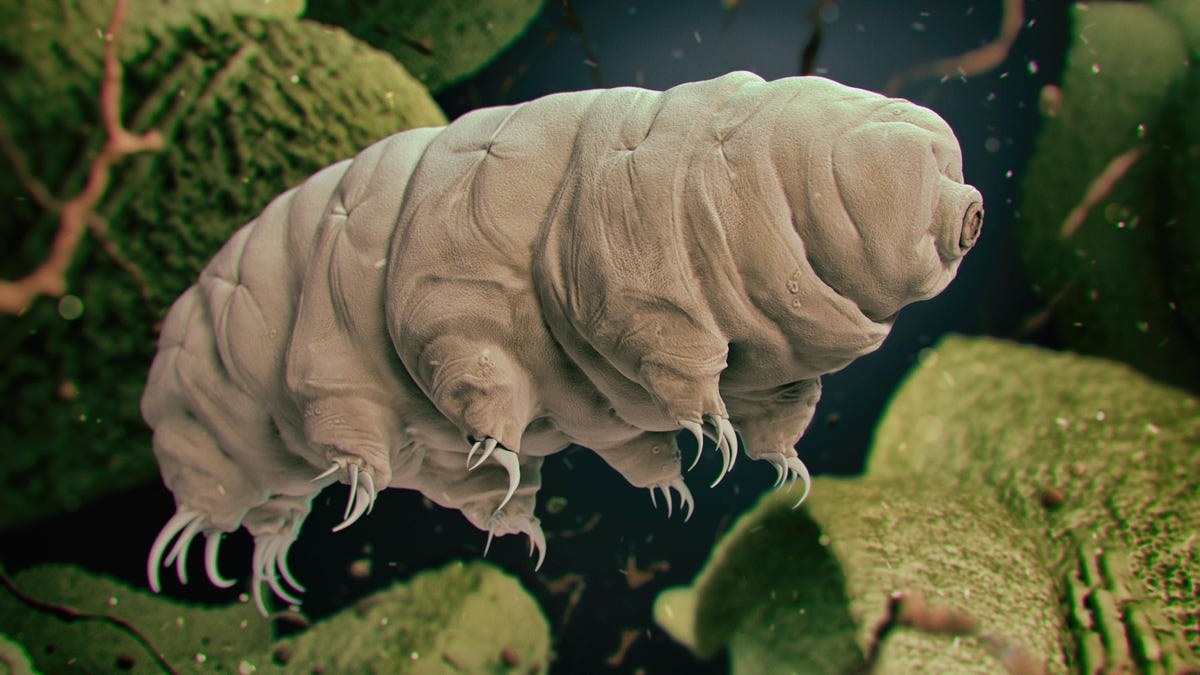
Tardigrades endure boiling, freezing, vacuum, and high radiation by drying into a glass-like tun that halts metabolism. This cryptobiosis is enabled by tardigrade-specific proteins (TDPs) that form a protective amorphous solid and the Dsup protein that shields DNA from radiation. They’ve been revived after years and even sent to space (ISS), with ongoing studies aiming to apply these mechanisms for radioprotection and dry, room-temperature biomedical storage, though translating to humans remains far off.

Ancient rotifer revived from 24,000-year freeze and begins reproducing
science1 month ago

Ancient rotifer revived from 24,000-year freeze and begins reproducing

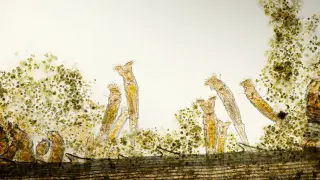
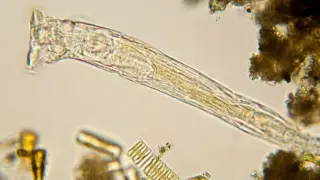
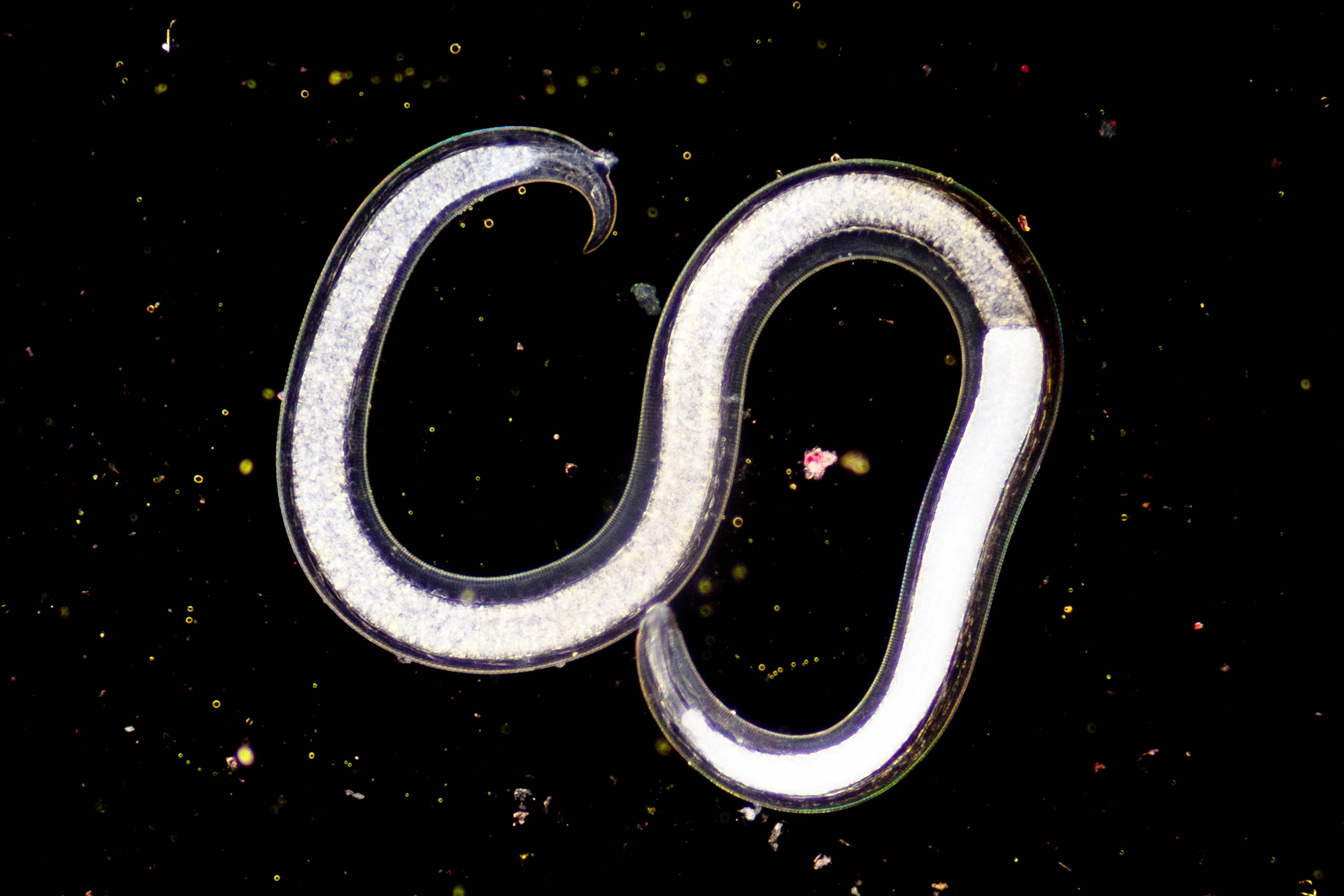
Scientists thawed a 24,000-year-old rotifer preserved in Siberian permafrost, revived it under strict lab conditions, and observed renewed metabolism and asexual reproduction, showing that multicellular life can endure cryptobiosis for millennia. The finding has implications for biotechnology and astrobiology, though researchers caution that revival of larger animals is unlikely.

24,000-Year-Old Rotifer Revived From Siberian Permafrost Demonstrates Cryptobiosis Longevity
science1 month ago

24,000-Year-Old Rotifer Revived From Siberian Permafrost Demonstrates Cryptobiosis Longevity

Scientists thawed a 24,000-year-old rotifer from Siberian permafrost, revived it under controlled conditions, and observed asexual reproduction, showing that multicellular life can endure cryptobiosis for tens of thousands of years; while promising for biology and astrobiology, experts caution that revival of larger organisms is unlikely and thawing permafrost raises environmental and health questions.

Ancient Arctic Rotifer Brought Back to Life and Reproduces, After 24,000 Years
science1 month ago

Ancient Arctic Rotifer Brought Back to Life and Reproduces, After 24,000 Years

Scientists thawed a 24,000-year-old rotifer from Siberian permafrost, observed it resume normal function, and even reproduce asexually, marking a milestone in showing multicellular life can survive cryptobiosis under extreme cold. The work suggests longevity of cellular structures in long-term frozen states and has implications for biology and astrobiology, though experts caution that revival of larger organisms is unlikely.

Tardigrades as Earth’s Enduring Survivors: Tiny Creatures, Big Implications
science1 month ago

Tardigrades as Earth’s Enduring Survivors: Tiny Creatures, Big Implications

Oxford and Harvard researchers find tardigrades—the water bears—are the most likely animals to outlive Earth’s final catastrophe, thanks to cryptobiosis and refuges in deep oceans; true planetary sterilization would require boiling the oceans, a feat only achievable by an extraordinarily massive asteroid or rare stellar explosions, while microbes would likely survive and ecological collapse could still wipe out all life even if some tardigrades endure.

Tardigrades: Earth's Last Survivors Even If Oceans Boil
science2 months ago

Tardigrades: Earth's Last Survivors Even If Oceans Boil

A Harvard–Oxford study models what energy would be needed to sterilize Earth and identifies tardigrades as the ultimate survivors, capable of cryptobiosis and thriving in deep-ocean refuges; while surface catastrophes like asteroid impacts or nearby supernovae could devastate ecosystems, boiling the oceans would be the threshold to erase resilient life, suggesting life could endure long after humans are gone.

"Unintended Moon Colonization: Tardigrades and the 2019 Space Crash"
science-and-technology2 years ago

"Unintended Moon Colonization: Tardigrades and the 2019 Space Crash"

The crash landing of the Beresheet probe on the moon in 2019 may have inadvertently brought microscopic tardigrades, known for their extreme resilience, to the lunar surface. While these lifeforms can survive in harsh conditions through cryptobiosis, the moon's inhospitable environment, lacking essential elements for life, makes it unlikely for them to thrive. This incident raises concerns about unintentional contamination of celestial bodies during space exploration.

"Unveiling the Secret Weapon: How Tardigrades Achieve Near-Invincibility"
science2 years ago

"Unveiling the Secret Weapon: How Tardigrades Achieve Near-Invincibility"

Scientists have discovered a key mechanism that allows tardigrades to undergo cryptobiosis, a state of death-like dormancy that enables them to survive extreme conditions. The research suggests that reactive oxygen species (ROS) play a crucial role in mediating the process of cryptobiosis by signaling the oxidation of the amino acid cysteine. This finding opens up new avenues for investigating the survival strategies of these remarkable creatures.

Resurrecting a 46,000-year-old Frozen Worm
science-and-technology2 years ago

Resurrecting a 46,000-year-old Frozen Worm

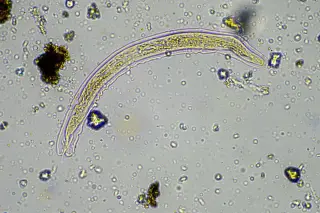
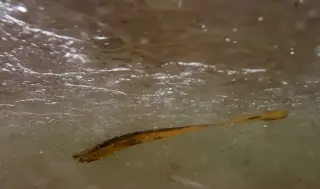
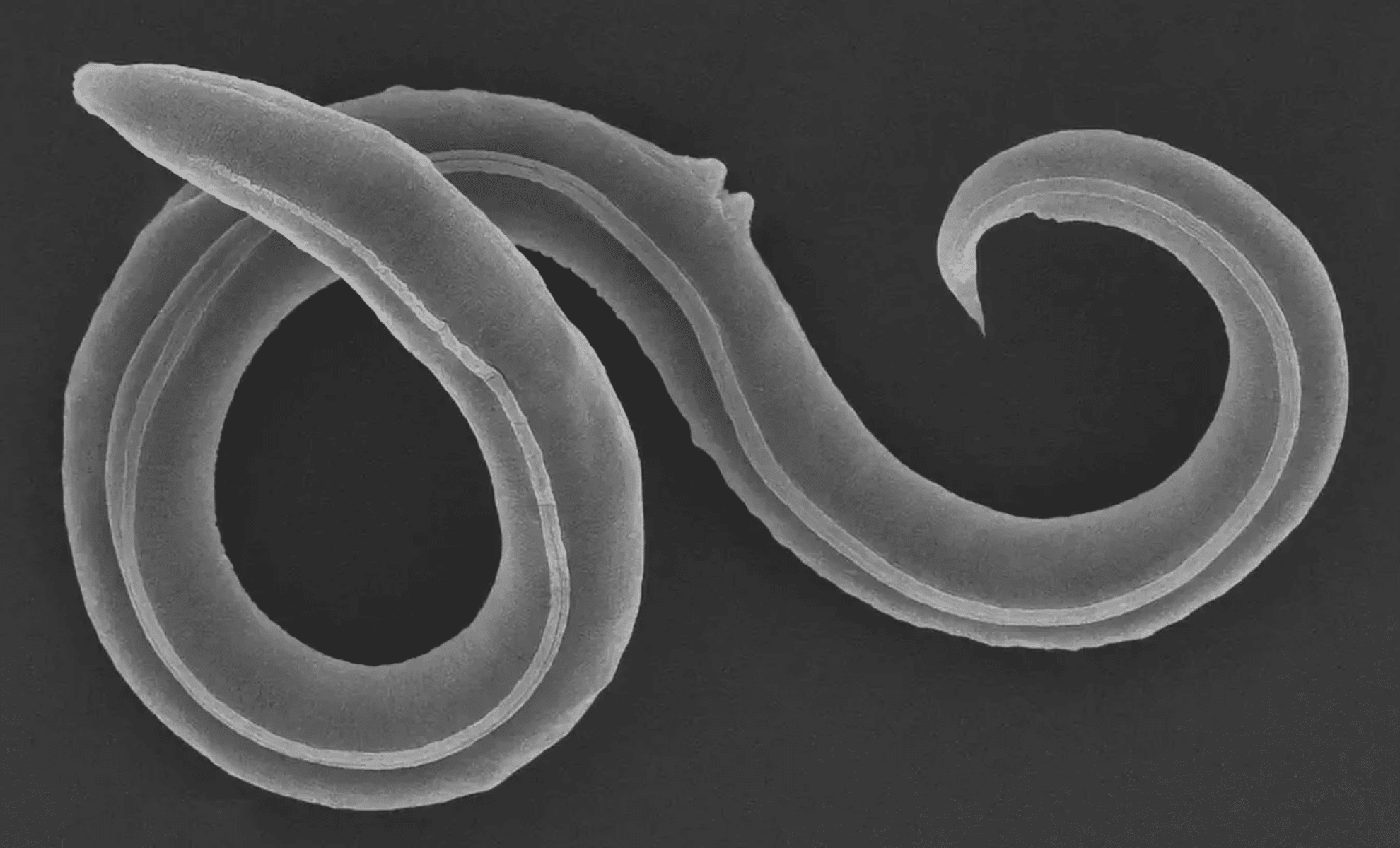
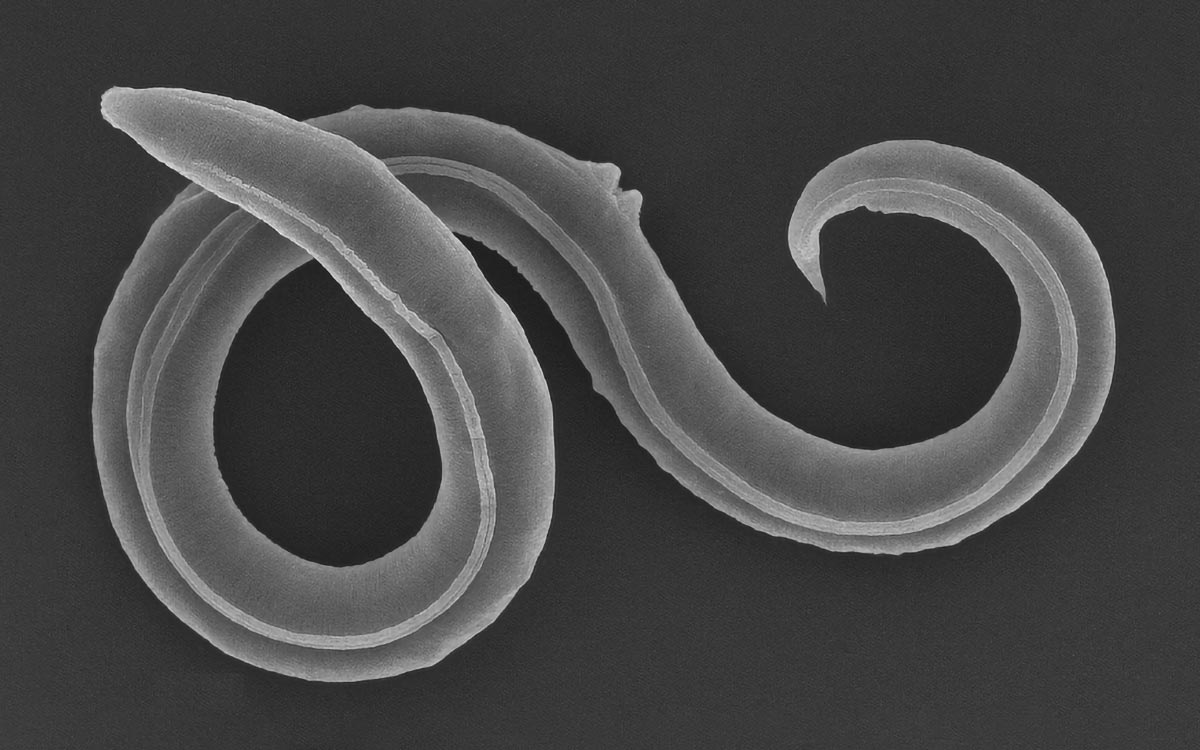
Researchers have successfully reanimated a soil nematode that had been dormant in Siberian permafrost for approximately 46,000 years. The nematode, identified as a new species called Panagrolaimus kolymaensis, shares genes related to survival with the model organism Caenorhabditis elegans. Exposure to mild desiccation before freezing improved the nematodes' survival capabilities, suggesting the potential for long-term dormant survival in extreme conditions. This study extends the known cryptobiosis period in nematodes by tens of thousands of years and highlights the role of environmental fluctuations in determining the duration of cryptobiotic states.

Ancient Nematodes Resurrected from 46,000-Year-Old Permafrost
science2 years ago

Ancient Nematodes Resurrected from 46,000-Year-Old Permafrost

Scientists have successfully revived 46,000-year-old microscopic roundworms found frozen in Siberian permafrost, and the worms immediately started reproducing. The researchers hope that studying these organisms, which can enter a state of suspended animation called cryptobiosis, will provide insights into how life can adapt to rapidly changing weather patterns and climate change. The ability of these worms to survive for tens of thousands of years in a dormant state could have implications for understanding the survival mechanisms of complex organisms.

"Reviving Ancient Worms: 46,000-Year-Old Nematodes Brought Back to Life"
science-and-technology2 years ago

"Reviving Ancient Worms: 46,000-Year-Old Nematodes Brought Back to Life"

Scientists have revived 46,000-year-old nematodes found in the Siberian Permafrost, including a previously undescribed species called Panagrolaimus kolymaensis. The nematodes exhibit survival mechanisms similar to the model nematode Caenorhabditis elegans, suggesting that they have developed ways to preserve life over geological time periods. This research could inform conservation strategies in the face of global warming.