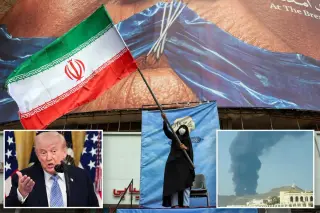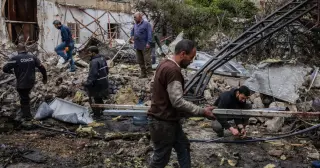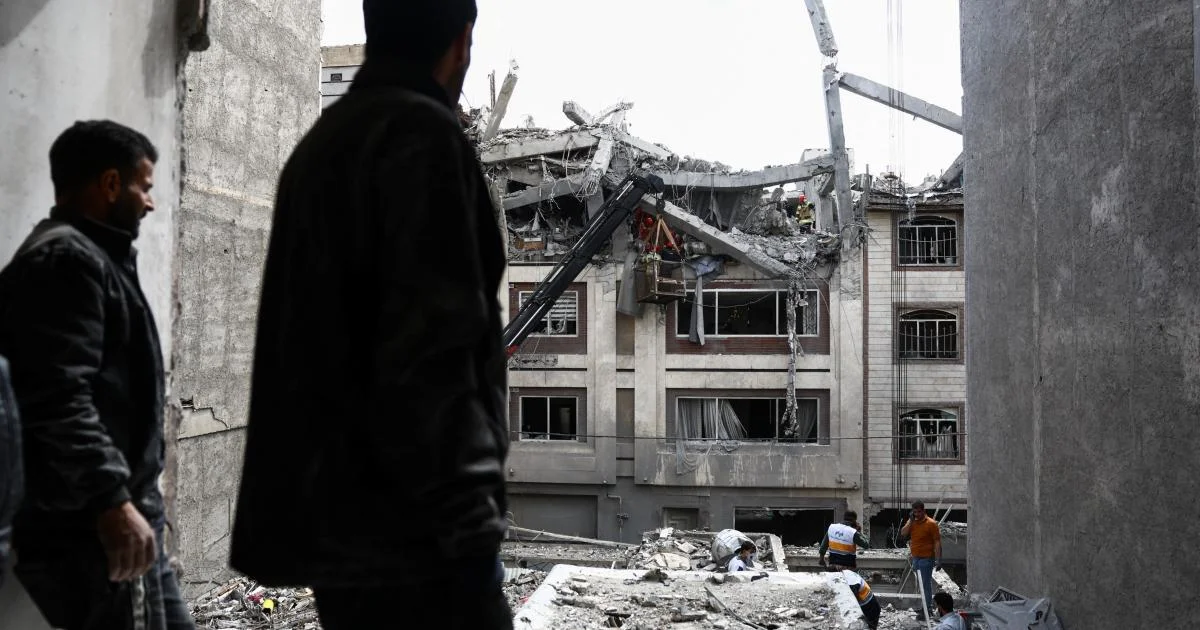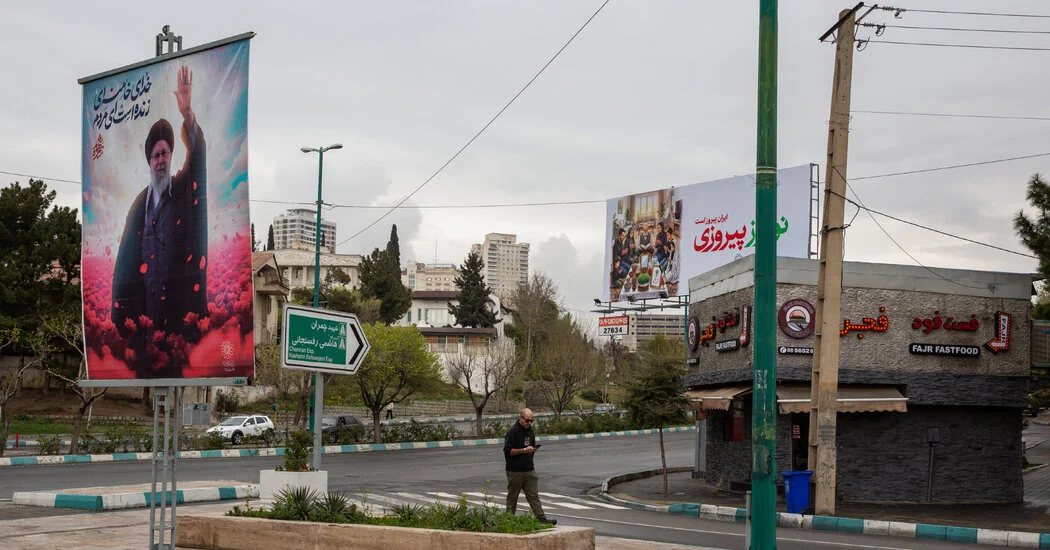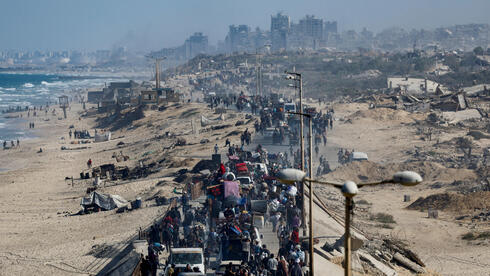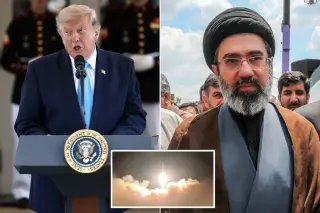
Pakistan and Qatar dispatched envoys to Tehran to salvage the monthlong U.S.-Iran cease-fire as weeks of diplomacy failed to produce an agreement, signaling a push to avert a broader conflict in the region.
In a conservative radio interview, President Trump said the U.S.-Iran conflict could last another two to three weeks and wouldn’t confirm whether a cease-fire remains in effect, as CENTCOM reported two American-flagged ships transited the Strait of Hormuz and Iran attacked the UAE with missiles and drones. The UAE intercepted most missiles and drones, oil prices were around $112 per barrel, and Trump touted military gains and a seeming inevitability of U.S. victory.
Israel is considering a short-term cease-fire with Lebanon to pause its war with Iran-backed Hezbollah, following rare talks in Washington between Israeli and Lebanese officials; the plan has not been formally approved, and Hezbollah’s willingness to accept a truce remains uncertain.
Two U.S. guided-missile destroyers entered the Strait of Hormuz to locate and clear naval mines, aiming to restore safe commercial shipping as negotiators discuss an extended cease-fire; Iran denies passage while U.S. officials say additional assets will join the clearance in coming days, underscoring the strait’s critical role for global energy flows.
Micron Technology and peers jumped on news of a U.S.-Iran cease-fire as UBS analysts forecast memory prices to stay elevated into late 2027. DDR memory rose about 95% and NAND up ~80% in Q1, with further Q2 gains of roughly 37% and 40% expected, supported by potential long-term supply agreements that could stabilize prices amid steady demand for AI infrastructure.
Foreign Affairs argues that a lasting end to the United States–Iran war won’t come from unilateral demands or a bare pause; Tehran has rejected the U.S. 15-point plan and expanded the fight with proxies, so any durable cease-fire requires a broad mediation coalition (led by Egypt, Pakistan, Turkey, with China) to push de-escalation, secure the Strait of Hormuz, and offer credible security guarantees plus limited economic incentives. Negotiations should follow a genuine halt in hostilities, not precede it, and must aim for a longer-term nonaggression pact to prevent a relapse into war.
The United States says it is negotiating with Iran to end hostilities even as President Trump threatens more attacks and the Pentagon sends more troops; Iran publicly rejects a cease-fire, and Pakistan has reportedly relayed a 15-point peace plan. The conflict began after U.S.- and Israel-launched strikes on Feb. 28, drawing regional powers and triggering an energy crisis described as worse than the 1970s shocks.
The US plans to build a $500 million military base near Gaza to house thousands of troops, signaling a significant escalation in US involvement in the Israeli-Palestinian conflict and potentially shifting control over Gaza's humanitarian and security operations.
A senior Hamas official has stated that the group will not disarm as part of the ongoing prisoner exchange deal with Israel, which involves the release of 250 Palestinian prisoners and hostages. Despite disagreements over the prisoner list, both sides aim to keep the Trump-brokered cease-fire on track, with preparations underway for the release of hostages and recovery of remains. The situation remains tense, with potential delays and internal disputes, but efforts continue to implement the agreement.
Thailand and Cambodia have agreed to a cease-fire after intense border clashes over centuries-old temples, but deep-seated mistrust, map disagreements, and nationalist sentiments threaten the longevity of peace, with officials planning further talks and international monitoring to maintain stability.
Despite claims of a cease-fire by President Trump, fighting resumed between Thai and Cambodian troops along their disputed border, with casualties and ongoing territorial tensions highlighting the difficulty of resolving the long-standing conflict.
Ukrainian and Russian officials concluded their third peace negotiation in Istanbul in under an hour, agreeing only on a prisoner swap and not on a cease-fire, amid ongoing tensions and international pressure, including threats of sanctions from Trump.
A New York Times report alleges that Israeli Prime Minister Benjamin Netanyahu prolonged the Gaza war to maintain power and avoid criminal prosecution, influenced by coalition pressures and political considerations, resulting in significant Palestinian civilian casualties and international criticism.
Israel has launched new ground incursions into southern Lebanon, targeting Hezbollah infrastructure amid ongoing tensions and fears of renewed conflict, despite a fragile cease-fire and diplomatic efforts for disarmament.
The recent Israeli and US strikes on Iran's nuclear facilities significantly damaged Iran's nuclear capabilities, killing scientists and destroying key sites, but Iran may still have enough resources and expertise to develop a nuclear weapon, leading to ongoing uncertainty and potential future risks.