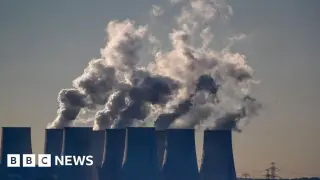
Europe endures record heat and wildfires scientists link to climate breakdown; despite decades of warnings, policy action lags and the EU’s carbon market is being weakened, underscoring that CO2 stays in the atmosphere for millennia and warming cannot be easily reversed.
EU proposes to slow the tightening of the emissions trading system by extending free permits to 2038 for firms investing in decarbonisation, lowering the cap-reduction rate to 3.7% from 2031 and 1.7% from 2036 (instead of 4.3%), and keeping 80% of permits upfront with the rest upon investment; the plan, part of a broader climate policy overhaul, still requires approval by member states and the European Parliament to meet the EU's 2040 emissions target.
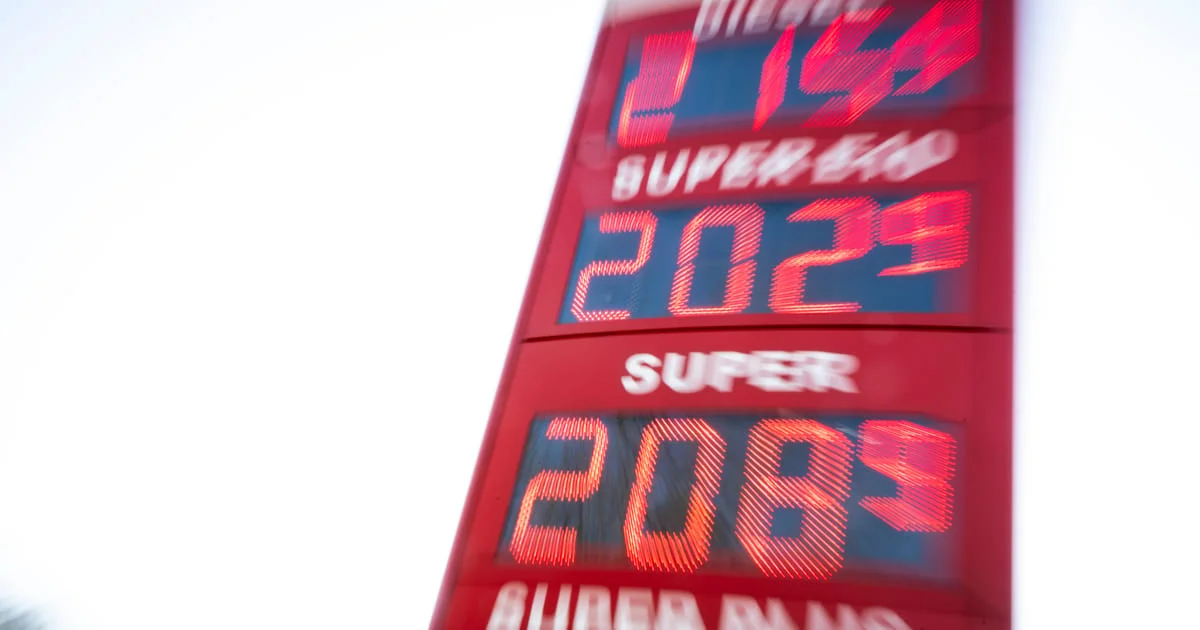
EU leaders, facing about a 50% surge in gas prices driven by Iran’s war, clash over immediate price relief versus long-term decarbonization at a Brussels summit; the European Commission leans toward rule-based, longer-term tools to stabilize prices and support energy-intensive industries, while countries like Poland and Italy push for subsidies, tax cuts, or ETS reforms, risking rifts that could shape Europe’s energy policy for years.
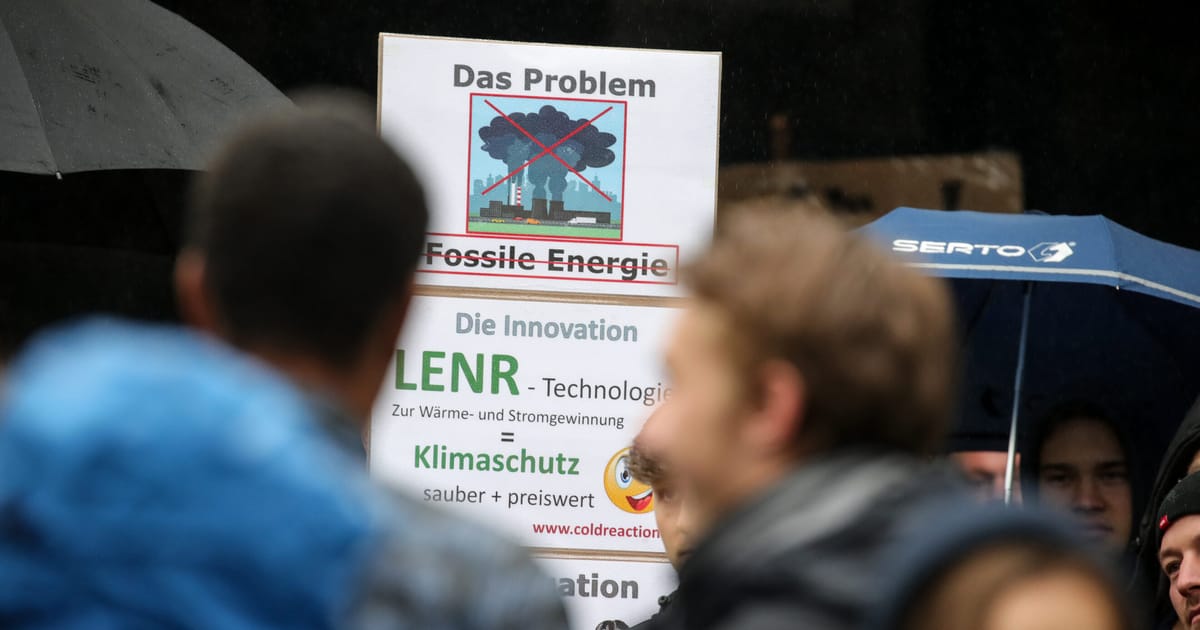
EU leaders pressed to revise the Emissions Trading System as heavy industry urged lower carbon costs, triggering a price drop from about €81 to €72 and sparking talks on reforms ahead of a summer review. While the ETS has reduced emissions since 2005, critics warn high prices hurt competitiveness and investor confidence, even as some leaders defend the system and others push for adjustments.
The European Union's carbon border tax, known as the Carbon Border Adjustment Mechanism (CBAM), has entered a trial period, requiring trading partners to report greenhouse gas emissions tied to their exports of certain goods. The aim of the tax is to protect EU companies from unfair competition and encourage other countries to implement their own carbon pricing. However, the CBAM has faced criticism from major trading partners, including Russia, China, the UK, and the US, who argue that it is discriminatory and harmful to global growth. Concerns have also been raised about the impact on the world's poorest countries and the readiness of businesses to comply with the paperwork requirements.