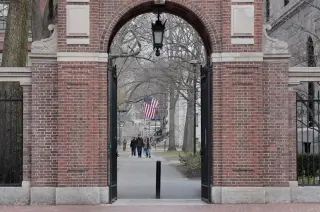
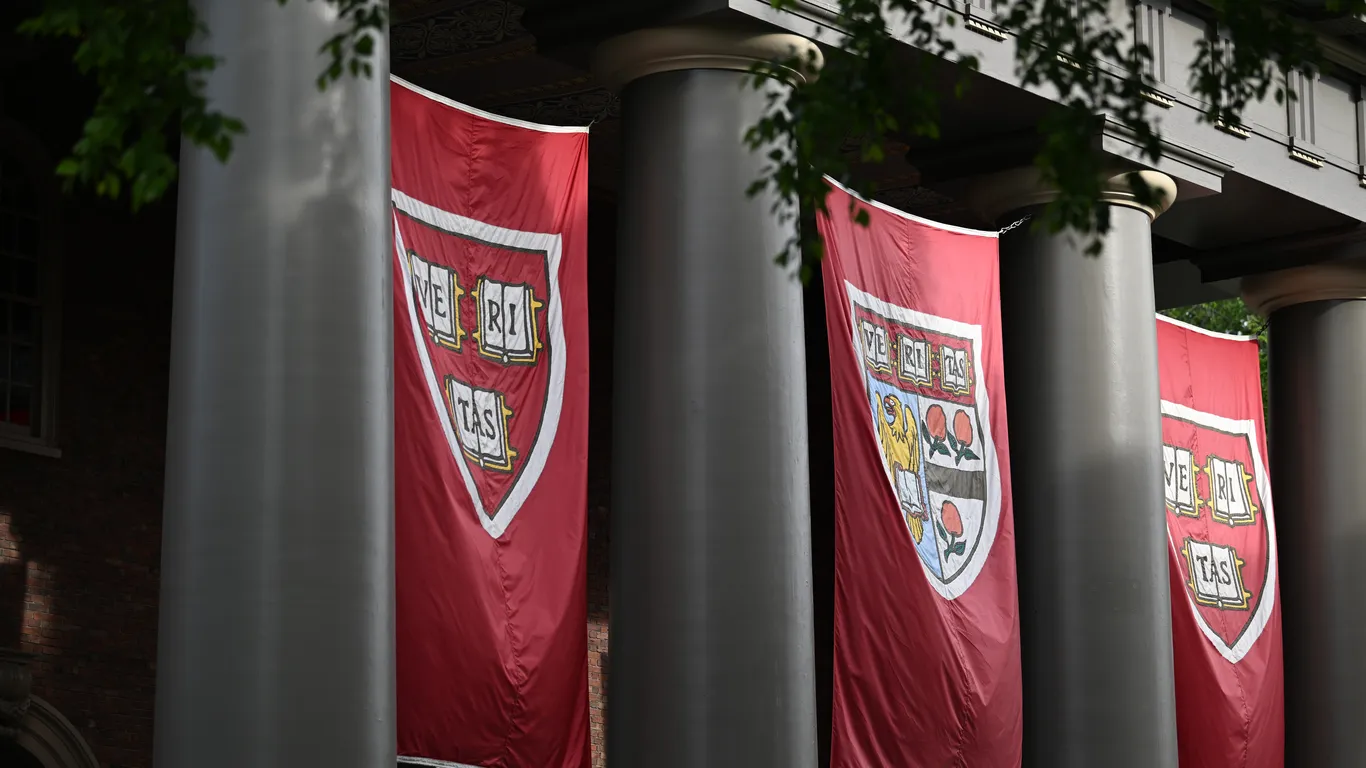
Harvard Management Co. disclosed a roughly $2.2 billion stake in SpaceX after updating its quarterly holdings, equating to just under 13 million shares and making SpaceX the endowment’s largest stock holding; SpaceX went public in June and has traded in a volatile range around $105–$150 this August.
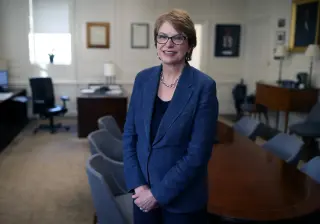
Brown University will have Christina H. Paxson step down as president in June 2027, earlier than her term extension to 2028, as the school begins a new strategic planning process and opens a national search for her successor. Paxson’s 15-year tenure guided Brown through the COVID-19 pandemic, Gaza protests, federal scrutiny and a Trump-era funding agreement, plus a campus shooting that left two students dead and others injured. Under her leadership Brown expanded its endowment, boosted financial aid, invested heavily in Providence (including the Jewelry District and Brown University Health), and strengthened ties to Rhode Island, even as some faculty debated decisions. The corporation will oversee a national search to identify Brown’s next leader.
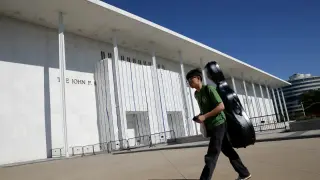
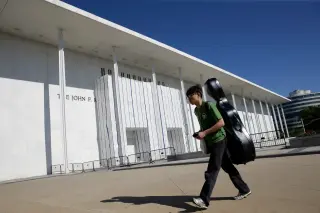
The Kennedy Center’s board unanimously approved a first‑of‑its‑kind private endowment named for President Donald Trump to support the center’s performing arts and supplement the $257 million Congress allocated, a move announced as workers removed Trump’s name from the building after a judge denied last‑minute efforts to keep it on the marquee.
The Kennedy Center created a new endowment, the Trump Kennedy Center Fund, to honor President Donald Trump after removing his name from the building under a federal judge’s order; the fund will augment private endowments and federal renovation funds amid criticism of Trump-appointed trustees prioritizing the President over the arts.
After breaking away from the Kennedy Center, the Washington National Opera filed a federal lawsuit seeking more than $17 million it says is owed, including endowment funds and donations reserved for its benefit; the center contends those assets were used as collateral for a line of credit, and the dispute unfolds amid broader legal and financing tensions surrounding the Kennedy Center.
The University of Arkansas has reinstated its men’s and women’s tennis programs effective immediately after donors pledged about $5 million in new funding (cash and commitments) to support the 2026‑27 season, with a longer-term goal of a $50 million endowment to fund ongoing operating costs. Athletics officials say the short-term donations create a viable path forward while the endowment plan aims for long-term sustainability. The move preserves 19 sponsored sports and comes after the university announced cuts earlier this spring, with campus leaders expressing support for the reinstatement and ongoing fundraising efforts to sustain the programs.
The University of Arkansas has reinstated the men’s and women’s tennis programs effective immediately after previously announcing their discontinuation. Donors have pledged short-term funding to support both programs while the athletics department pursues a long-term endowment to ensure sustainability; head coaches can begin preparations for the 2026–27 season, with progress on the endowment to be closely monitored over the coming year.
University of Michigan invested $20 million in OpenAI during its early fundraising, a stake cited in a court exhibit from the Elon Musk–Sam Altman litigation. Although terms aren’t fully disclosed, the document indicates a target redemption amount of about $2 billion and shows that Michigan and other early investors would be prioritized over Microsoft in payouts, with figures adjusted for inflation. If OpenAI continues to grow, the endowment could yield billions, a rare windfall for a university investor.
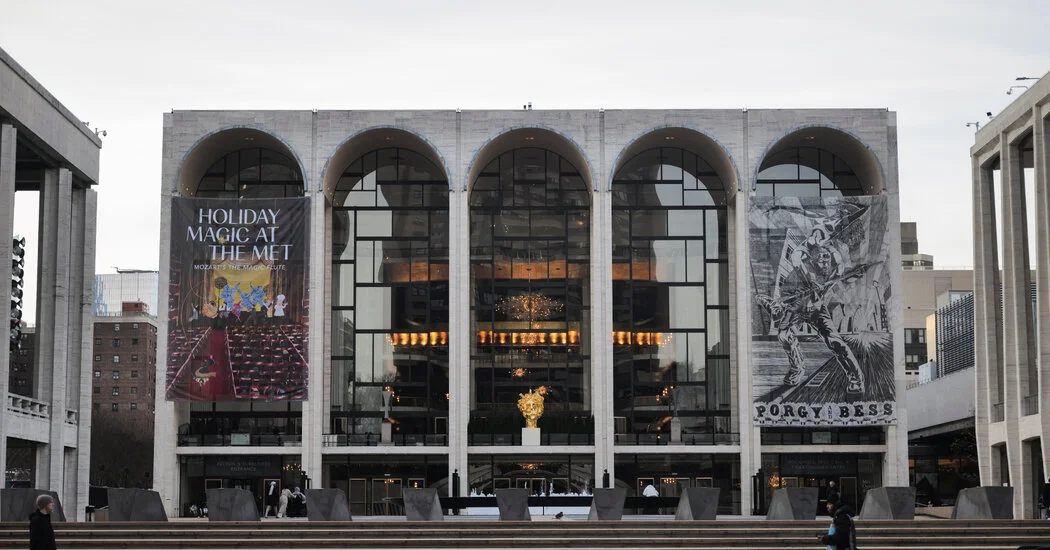
The Metropolitan Opera is in a deep financial crisis, depleting its endowment by a third, and is pursuing cash infusions from Saudi Arabia and even Elon Musk, exploring unconventional ideas such as a Tosca on Mars.
Amazon Data Services, an AWS subsidiary, purchased George Washington University’s Virginia Science and Technology Campus in Ashburn for $427 million. GW can continue using the campus for up to five years under the deal; proceeds will fund an endowment to strengthen research, teaching, and student financial aid, with some funds potentially used for one-time staff bonuses. The campus hosts programs in nursing, engineering, physics and chemistry, plus labs and administrative buildings; GW says there is no immediate impact on its programs.
David A. Duffield, a Cornell alumnus and founder of PeopleSoft and Workday, is donating more than $520 million to Cornell, including a new $371.5 million pledge and a $100 million 2025 commitment, to establish the Cornell David A. Duffield College of Engineering. The historic gift—the largest in Cornell history—will fund a $250 million Duffield Legacy Fund and a $50 million priorities fund, with the remainder supporting the Duffield Launch Fund to upgrade infrastructure and advance research in areas like quantum engineering, artificial intelligence, and health as part of the university’s final campaign, “To Do the Greatest Good.” It also includes plans to expand Duffield Hall, cementing Duffield’s name for generations and continuing his broader support of Cornell programs.
Facing ongoing financial strain, the Metropolitan Opera announced layoffs, salary cuts for top executives, and postponement of a new production, while drawing on its endowment and a $200 million Saudi funding deal; the company may also sell its $55 million Chagall murals to stabilize finances.
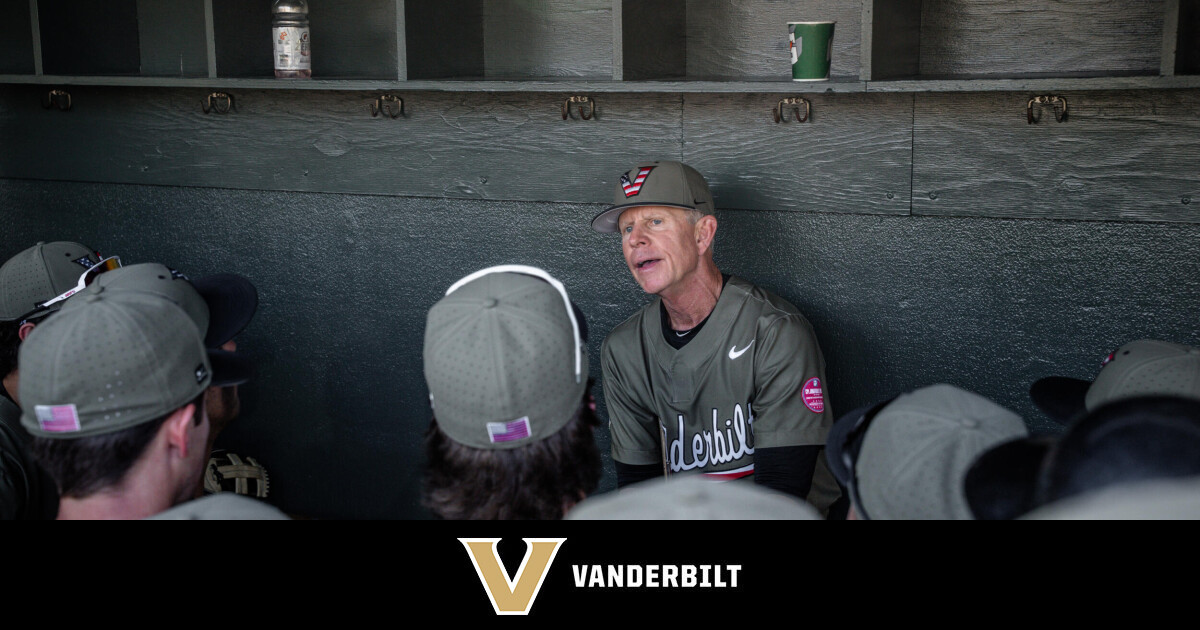
Vanderbilt University announced an anonymous gift to endow the baseball head coaching position in honor of Tim Corbin, celebrating his successful tenure and contributions to the university's athletics, as part of the broader Dare to Grow campaign and Vandy United initiative to enhance athletic facilities and support student-athletes.
Harvard University experienced its largest operating loss in 14 years, totaling nearly $113 million, due to federal funding cuts and increased costs, despite record donations and a strong endowment return. The university is negotiating with the White House over funding disputes.
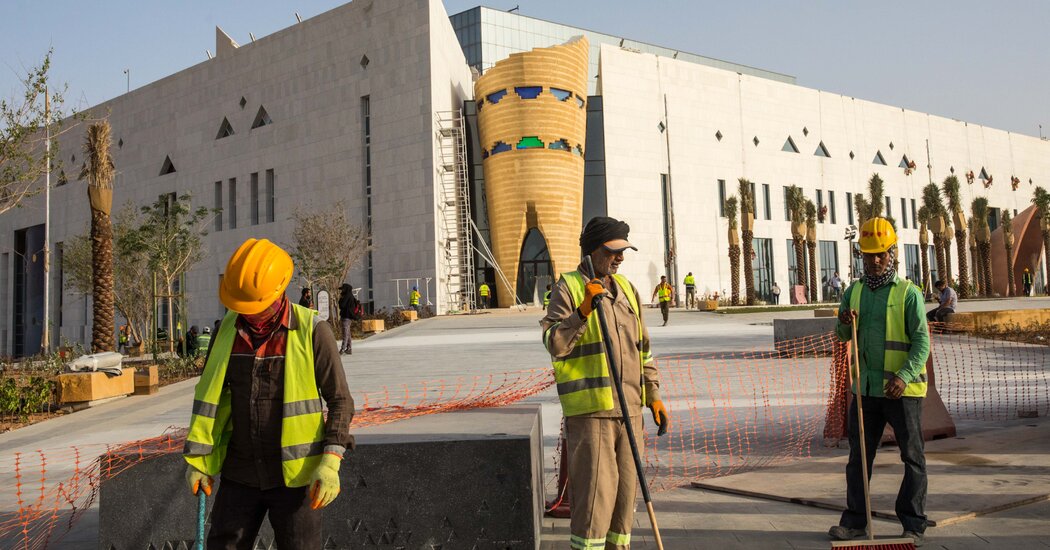
The Metropolitan Opera is partnering with Saudi Arabia to perform there for three weeks each winter, a deal expected to generate over $100 million to help address its severe financial difficulties caused by pandemic-related fund withdrawals and declining revenues.