FCC filings show the US Galaxy Z Flip 8 will use the Snapdragon 8 Elite Gen 5 (SM8850) with potential Exynos 2600 variants for other regions, signaling a shift from the Flip 7’s Exynos approach and hinting at a dual‑chip strategy for Samsung’s foldables.
A Lanzuk report on Naver Blog claims the Galaxy Z Flip 8 will use Exynos 2600 in Korea and parts of Europe, while Japan and most other regions will get Qualcomm's Snapdragon 8 Elite Gen 5. The Exynos 2600 is built on a 2nm process with a deca-core CPU and Xclipse 960 GPU, whereas the Snapdragon 8 Elite Gen 5 uses a 3nm process, octa-core CPU and Adreno 840 GPU.
After Samsung LSI allegedly hiked Exynos 2600 prices to about $270 per unit, Samsung Mobile reportedly reduced Exynos 2600 usage in the Galaxy Z Flip 8 in favor of Qualcomm’s Snapdragon 8 Elite Gen 5 (around $230), a shift driven by cost pressures and internal Samsung dynamics. The piece notes that price increases, 2nm process costs, and AI-driven claims contributed to the decision, and it even references a Dubai distributor revolt that allegedly fed gray‑market Galaxy S26 Ultra shipments.
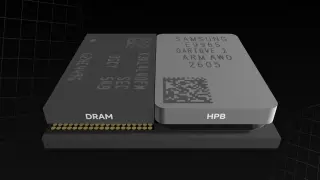
Samsung’s Exynos 2600 introduces Heat Pass Block copper heatsink tech to improve heat transfer, and tests suggest it outperforms a liquid‑nitrogen–cooled Snapdragon 8 Elite Gen 5. While HPB enables better sustained performance and can be aided by a small clip‑on fan for long gaming sessions, the Exynos 2600 still throttles. The development hints that future SoCs may widely adopt advanced cooling like SBS for CPU/DRAM, with Exynos 2700 reportedly exploring such architectures.
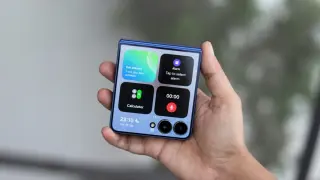
Samsung’s Galaxy Z Flip 8 refines the foldable experience with a thinner, lighter 180g body, plus a redesigned hinge and laser-drilled metal plate to reduce the crease for a smoother look. It packs a 6.9-inch 120Hz main display (2600 nits) and a 4.1-inch external screen, powered by the new Exynos 2600 (2nm) with improved efficiency and AI capabilities. Battery remains 4,300mAh with 25W charging, while camera specs stay the same (50MP main, 12MP ultrawide, 10MP selfie). One UI 9 adds AI-powered features and a refreshed interface. Launch is set for July 22, 2026 at $1,100, targeting both new foldable buyers and current Z Flip owners who want a more polished, reliable experience, even if cameras and battery gains are modest.
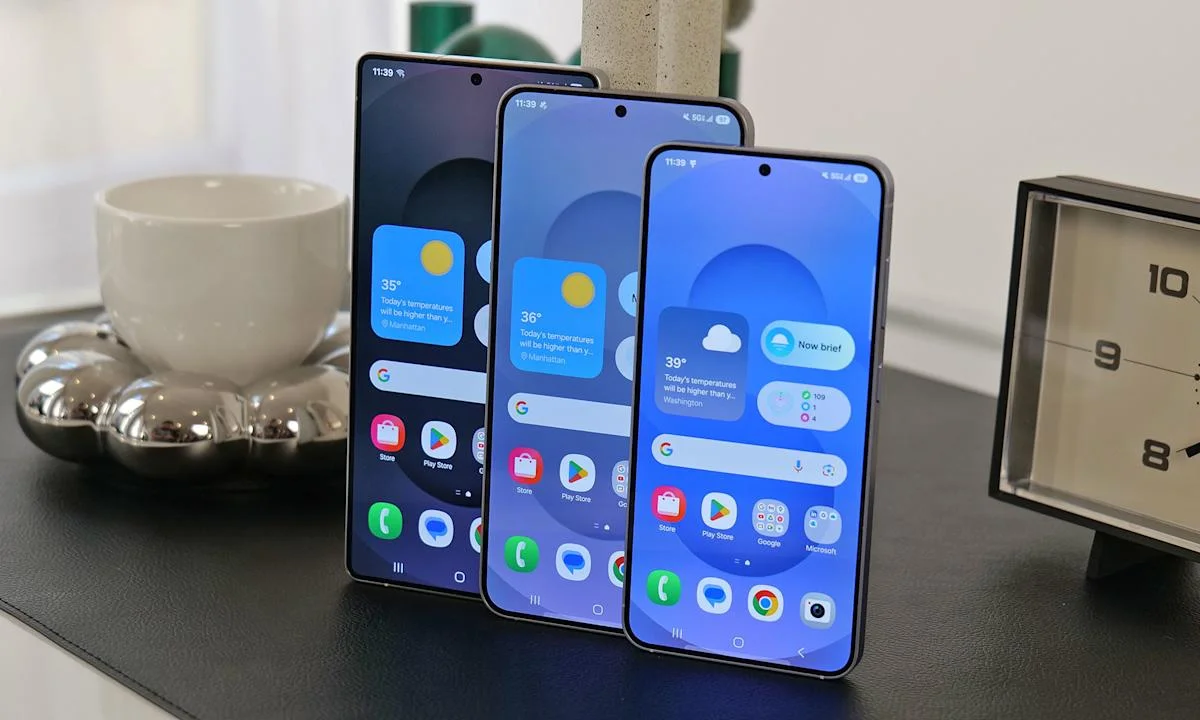
Notebookcheck’s Samsung Galaxy S26+ review finds a premium build and a bright 6.7-inch LTPO OLED display with long software updates, powered by the new Exynos 2600, but upgrades over the S25+ are modest and it trails rivals in areas like battery life and camera performance for its €1,249 price.
Leaked renders of Samsung's Galaxy Z Flip 8 suggest a mostly familiar design with a single, subtle change: the phone is about 0.5 mm slimmer when folded, while the inner 6.9-inch and outer 4.1-inch displays remain the same as the Flip 7. Expected upgrades include the Exynos 2600 processor, a slightly larger battery, and a marginally shallower crease, with a July launch amid competition from the Z Fold 8 and a new Z Wide Fold.
Samsung is set to unveil its first 2026 devices at Galaxy Unpacked in San Francisco tomorrow. The Galaxy S26 lineup is expected to echo the S25 in design, with all models likely powered by Qualcomm's Snapdragon 8 Elite Gen 5 and possibly some regions receiving Samsung's Exynos 2600. Qi 2 wireless charging is supported but there may be no built-in magnets, suggesting a milder launch focused on AI as a personal, adaptive feature. Expect coverage of foldables and broader gear around the event window, with the keynote livestreamed on YouTube.
Samsung's Galaxy S26 Ultra, powered by the Snapdragon 8 Elite Gen 5, posts top Geekbench scores (single-core 3,852; multi-core 11,738), beating the iPhone 17 Pro Max (3,792 / 9,831) and the Exynos 2600 (3,336 / 11,369) in regional variants, signaling a Snapdragon-driven performance edge for Samsung's latest flagships, though Exynos remains in play on some markets with a 2nm process.
Geekbench results show a Galaxy S26 Ultra with an overclocked Snapdragon 8 Elite Gen 5 (up to 4.74 GHz) posting 3,601 (single-core) and 10,686 (multi-core). The Exynos 2600 scores 3,336 / 11,369, and the iPhone 17 Pro Max with the A19 Pro posts 3,775 / 9,749. In these tests, the Snapdragon edges the iPhone on multi-core but trails it on single-core, while Exynos leads in multi-core. Final device specs and performance may vary at launch; Galaxy Unpacked is rumored for Feb 25.
Samsung's Exynos 2600, built on a 2nm GAA process with the Xclipse 960 GPU, has topped the Basemark Ray Tracing leaderboard and is reportedly 10–15% faster in RT than the Snapdragon 8 Elite Gen 5, aided by advanced packaging (FOWLP) and an improved cooling solution (HPB). The chip also shows strong Vulkan/OpenCL performance and is expected to debut in the Galaxy S26 lineup.
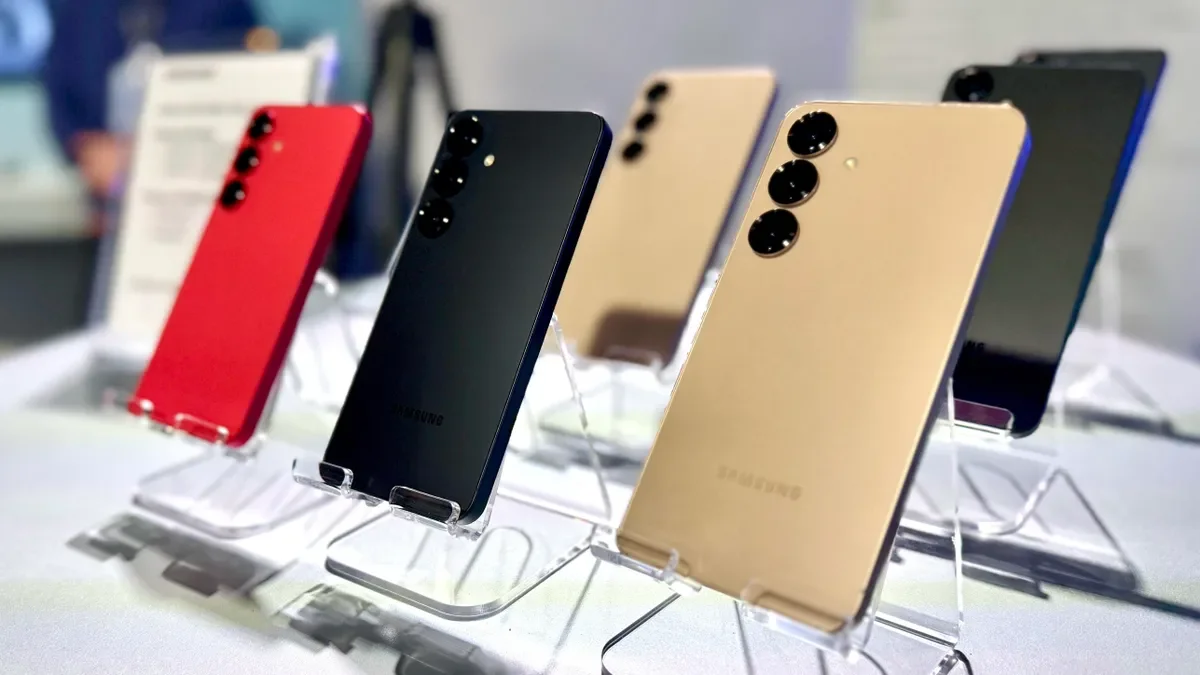
Samsung is widely expected to unveil the Galaxy S26 family (S26, S26+, S26 Ultra) at a February 2026 Galaxy Unpacked event — tipped for February 25 — with a familiar design carried over from the S25 but powered by upgraded internals (Snapdragon 8 Elite Gen 5 in most markets and Exynos 2600 in some regions) and modest camera/battery refinements. The S26 Ultra may switch back to an aluminum frame and reportedly drop the S Pen digitizer in favor of a new stylus input method, while Qi2 support is anticipated. Magnetic accessory support could continue via cases rather than built-in magnets. Samsung is also rumored to refresh accessories like Buds 4/4 Pro and the Galaxy Z TriFold, and to showcase AI-driven features (including potential Bixby/perplexity integrations) at Unpacked.
Samsung’s February 2026 Unpacked is expected to reveal the Galaxy S26 family (S26, S26 Plus, and Ultra) with rumors of a new Edge variant, a 200MP main camera on the Ultra, a thinner design, and the M14 OLED display, plus regional processor differences (Snapdragon 8 Elite Gen 5 in the US/China, Exynos 2600 elsewhere) and One UI 8.5. Buds 4 Pro are said to be in the works with a redesign, and Samsung may even tease AI glasses in partnership with Gentle Monster and Warby Parker. The event is likely Feb. 25 in San Francisco, with in-store availability in March."
Samsung’s Exynos 2600 with a custom RDNA 4-based Xclipse 960 on a 2nm GAA process shows a 21.8% OpenCL lead over Qualcomm’s Snapdragon X Elite in Geekbench 6 (Exynos 24,964 vs. 20,492) when tested on the Galaxy Book4 Edge in Balanced mode, but Vulkan results tell a different story, with the Snapdragon Galaxy Book4 Edge reportedly leading (28,934) and Exynos Vulkan numbers not yet published; Samsung also touts Heat Pass Block for better thermals and suggests potential gains in higher-power modes, with a South Korea-bound Galaxy S25+ reference spotted in Geekbench 6.
Samsung’s Exynos 2600 uses Heat Pass Block to cut thermal resistance by about 16%, enabling higher sustained clocks; rumors suggest other Android chip makers, including Qualcomm, may adopt HPB to handle rising performance on 2nm designs, though specific manufacturers named remain unconfirmed.