Eli Lilly says it will allow more patients to apply for pre-approval access to retatrutide, the unapproved obesity drug, after previously granting access to a single 79‑year‑old patient; the company is reviewing requests from doctors in line with FDA guidance.
A Fox News Health piece weighs the pros and cons of whole-body imaging (MRI/CT/PET) for asymptomatic people: scans can potentially detect cancers and other conditions early, but are costly, not routinely covered by insurance, and carry risks of false positives, incidental findings, and overdiagnosis; major medical groups and the FDA warn against routine screening in healthy individuals, though providers cite ongoing research and potential targeted use under physician guidance.
A 2022 study found that the magnetic fields from AirPods and similar devices can trigger magnet-safe modes in implanted cardiovascular devices (pacemakers and defibrillators), potentially impairing arrhythmia detection. While not a blanket ban on using AirPods, cardiologists and FDA guidance urge keeping devices at least six inches away from CIDs, avoiding carrying electronics in chest pockets, and consulting a physician if dizziness, fainting, or other heart symptoms occur.
The FDA issued a draft guidance to help drug developers validate new approach methodologies (NAMs) as replacements for animal testing in drug development, outlining four core validation principles—context of use, human biological relevance, technical characterization, and fit-for-purpose—and encouraging early consultation with FDA review divisions. NAMs encompass advanced in vitro systems, organoids and organ-on-chip models, in silico methods, and even phylogenetically lower organisms like zebrafish. The goal is to rely on human-relevant data to improve safety predictions and accelerate access to safer therapies, building on previous efforts to reduce animal testing and update related guidance on pyrogen/endotoxin testing.
The FDA issued a draft guidance to promote the use of Bayesian methodologies in clinical trials for drugs and biologics, aiming to use prior information and data more efficiently to shorten timelines and reduce costs. The guidance outlines when Bayesian methods can support primary inference and trial design, including early futility/success decisions, dose selection, incorporating external data, enabling subgroup analyses, and aiding rare or pediatric studies; public comment is invited as part of PDUFA VII commitments.
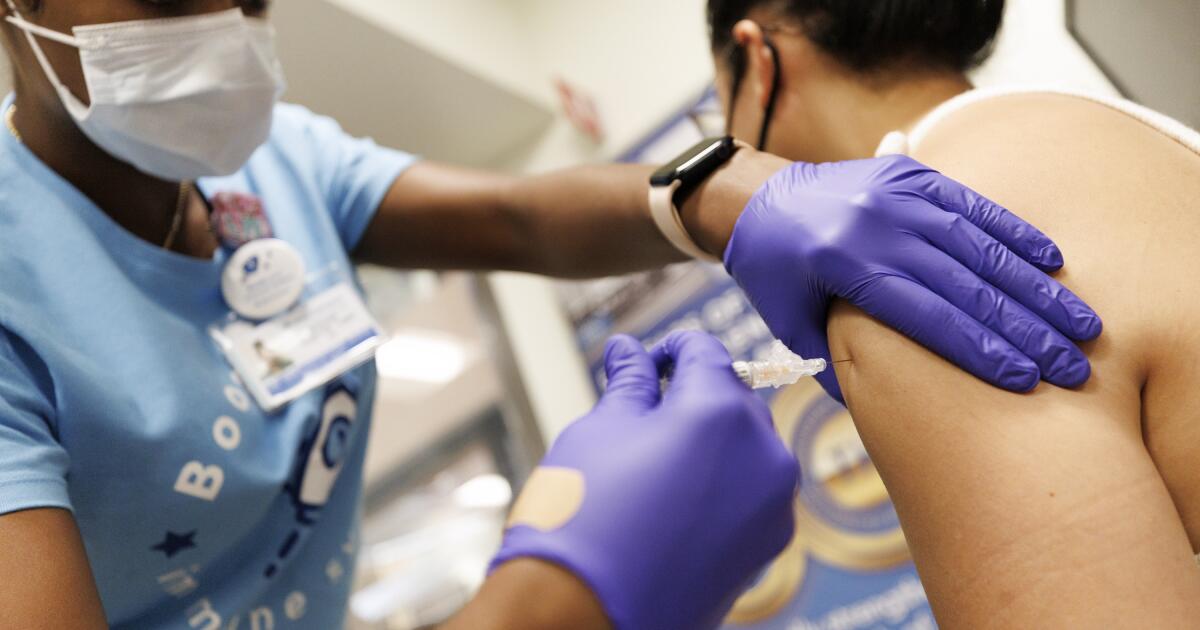
The FDA has approved the 2025-26 COVID vaccines for specific groups, mainly those 65 and older or with certain health conditions, while previous vaccines are no longer authorized for general use. In Kansas, access may be limited and requires a prescription for some, with ongoing recommendations from health authorities. Vaccination remains important for reducing severe illness, and local providers like CVS and Walgreens are offering shots under current guidelines.
The article discusses the challenges and recent changes in accessing the updated COVID-19 vaccine in the U.S., including federal guidance limiting eligibility to certain groups, state-level efforts to expand access, and ongoing debates about vaccine recommendations amid political and regulatory shifts.
New federal guidance under RFK's leadership may make COVID vaccine access more difficult for healthy adults under 65, requiring consultation with healthcare providers before vaccination, which critics argue creates unnecessary barriers and undermines trust in science. The move coincides with rising COVID cases and ongoing political and administrative conflicts over vaccine policies, including changes in CDC recommendations and leadership disputes.