Sperm Rowers Unveiled: Cooperative Teams Are Widespread Across Arthropods
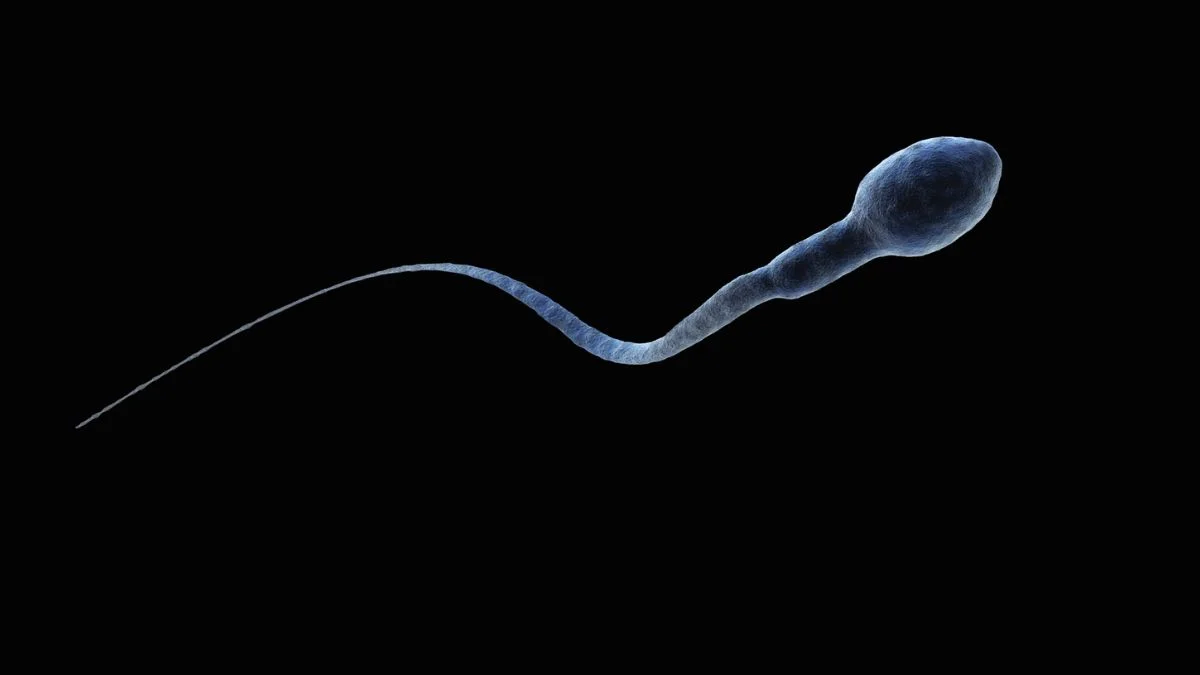
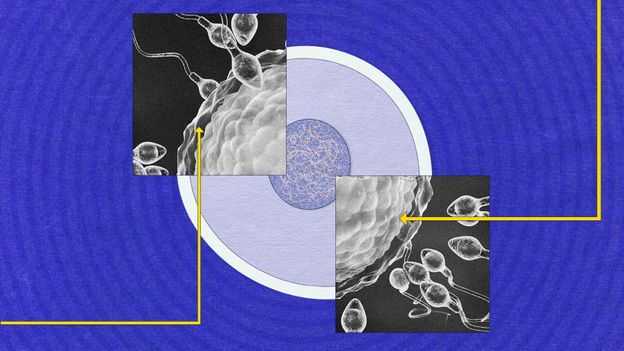
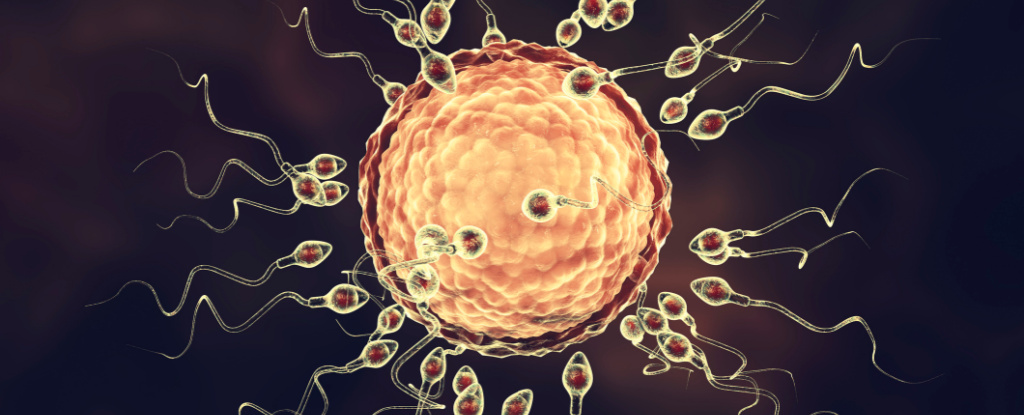
A new Nature Communications study from Syracuse University and collaborators shows that sperm often cooperate in groups (sperm conjugation) across arthropods, a pattern tracing back about 600 million years and including the ancestor of insects. The researchers mapped sperm forms on an evolutionary tree, revealing repeated gains and losses of conjugation and highlighting sperm-associated material (SAM) that helps bind sperm into clusters and may have driven the origin of this cooperation. Inside the female tract, grouping could boost movement and deliver key molecules, though observing sperm in vivo remains challenging. The work suggests considering collective sperm behavior in fertility research and notes potential pest-control applications, such as disrupting SAM in invasive lanternflies.