Tag

Flagship Comparison

All articles tagged with #flagship comparison

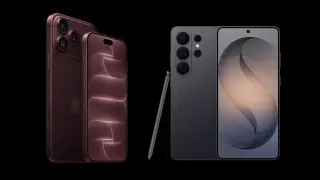
Motorola Signature 27 Debuts as $1,600 Flagship with GrapheneOS Support and 7,000mAh Battery
technology10 days ago

Motorola Signature 27 Debuts as $1,600 Flagship with GrapheneOS Support and 7,000mAh Battery

The Motorola Signature 27 has launched as a premium flagship priced at $1,600, featuring a 7,000mAh silicon-carbon battery, a 12,000-nit tandem OLED display, and the Snapdragon 8 Elite Extreme Gen 6 processor. Notably, it is the first non-Pixel Android device to support GrapheneOS, a privacy-focused operating system. Pre-orders begin on November 19, with general availability on November 26. While the phone offers top-tier hardware specs, including a 200MP periscope telephoto camera and an Event Vision Sensor, it faces competition from the Samsung Galaxy S26 Ultra, which offers a more mature software ecosystem and lower price.
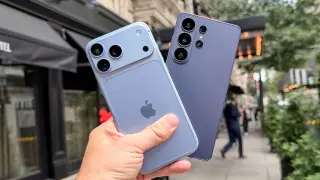
iPhone 18 Pro Max vs. Galaxy S26 Ultra: A Battle of Camera Nuances and Ecosystems
technology1 month ago

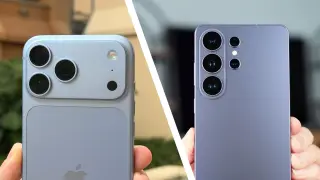
iPhone 18 Pro Max vs. Galaxy S26 Ultra: A Battle of Camera Nuances and Ecosystems

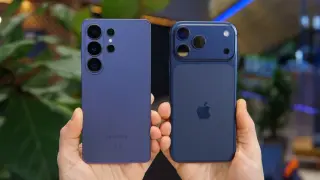
The 2026 flagship showdown between Apple’s iPhone 18 Pro Max and Samsung’s Galaxy S26 Ultra centers on subtle camera improvements and distinct feature sets. While both devices cost $1,299, the iPhone offers a new variable aperture and superior low-light performance, whereas Samsung provides a bundled S Pen and Privacy Display. Experts note that generational upgrades are minimal, with the iPhone’s camera gains being marginal for most users.

iPhone 18 Pro Max and Galaxy S26 Ultra: A Battle of Variable Apertures vs. Privacy Displays
technology2 months ago

iPhone 18 Pro Max and Galaxy S26 Ultra: A Battle of Variable Apertures vs. Privacy Displays

Apple's iPhone 18 Pro Max and Samsung's Galaxy S26 Ultra launch at identical $1,299 price points, offering distinct advantages in camera control, weight, and software ecosystems. While both feature 6.9-inch displays and 120Hz refresh rates, the iPhone introduces a mechanical variable aperture and a 2nm A20 Pro chip, whereas Samsung counters with a 200MP main sensor, dual telephoto lenses, and a unique Privacy Display. The iPhone is heavier (249g) but offers a larger battery, while the Galaxy is lighter (214g) and includes an S Pen.

Pixel 11 Offers Longevity and AI, but Lags Rivals in Raw Speed
technology2 months ago

Pixel 11 Offers Longevity and AI, but Lags Rivals in Raw Speed

The Google Pixel 11, priced at $899, features Android 17, a Tensor G6 chip, and a seven-year software guarantee. While it excels in camera features and AI integration, it trails several 2025 and 2026 rivals in raw performance benchmarks. Competitors like the Samsung Galaxy S25 and S26 offer superior speed and graphics capabilities, though the Pixel maintains advantages in software support and battery life.

Moto G77 Power shows long battery life can outshine flagship hype
technology4 months ago

Moto G77 Power shows long battery life can outshine flagship hype

PhoneArena argues that flagship batteries have plateaued around 5,000 mAh even as phones get more efficient, making the Moto G77 Power’s 7,000 mAh battery stand out. While Galaxy S27 Ultra and iPhone 18 Pro Max lead in cameras and performance, mid-range devices like this Moto model offer truly long-lasting endurance and practical features (MIL-STD-810H durability, Gorilla Glass, 3.5mm jack, microSD support) at around $270, illustrating a consumer shift toward battery life over flagship prestige.

Galaxy S26 vs Pixel 10: A price-versus-feature face-off in the latest flagships
technology7 months ago

Galaxy S26 vs Pixel 10: A price-versus-feature face-off in the latest flagships

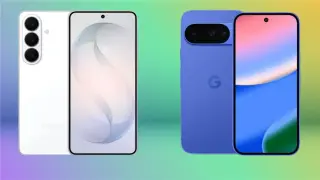
Samsung’s Galaxy S26 and Google’s Pixel 10 both pack 6.3-inch, 120Hz displays and IP68 durability, but the S26 nudges ahead with a lighter design, stronger processor, and larger base storage for $899, while the Pixel 10 undercuts by $100 with 128GB of base storage, gains a brighter outdoor display (3,000 nits) and a 5x telephoto, plus built-in magnets for accessories. Both run Android 16 with seven years of OS/security updates and offer contrasting software experiences (One UI vs Pixel UI). The choice comes down to storage needs and which software ecosystem you prefer.