Sound Transit unveiled a plan to close a $34.5 billion funding shortfall over the next two decades by categorizing ST3 rail projects into fully funded, partially funded, and deferred groups, delaying ambitious extensions like Ballard and West Seattle while preserving some lines and funding for design work; a May 28 board vote will determine which elements proceed, with lawmakers weighing new financing tools to bridge the gap.
Louisville’s athletic department is running a deficit despite ACC membership, reporting a 2024–25 loss of about $12.5 million on $154.9 million in revenue and $167.4 million in expenses, with reserves shrinking from $34 million to $3.4 million and lines of credit in use. In response, the university is pouring money into basketball and football—piling up transfer acquisitions that could push payroll to $15–20 million for basketball and roughly $22–25 million for football—while exploring private equity deals and backing a Save College Sports-style plan to stabilize revenue. The push comes as leaders warn systemic changes are needed, even as the program highlights the imperative of winning to sustain the university’s profile and city morale.
Critics say complacency on defence funding is harming the UK armed forces as ministers stall on a long-delayed 10-year investment plan amid a £28bn funding shortfall; the Strategic Defence Review highlighted gaps, the army is depleted, and NATO spending targets show Britain lagging behind allies, with Labour pledging to lift spending to 2.5% of GDP next year and toward 3.5% by 2035 amid growing security threats from Russia, Iran, and China.
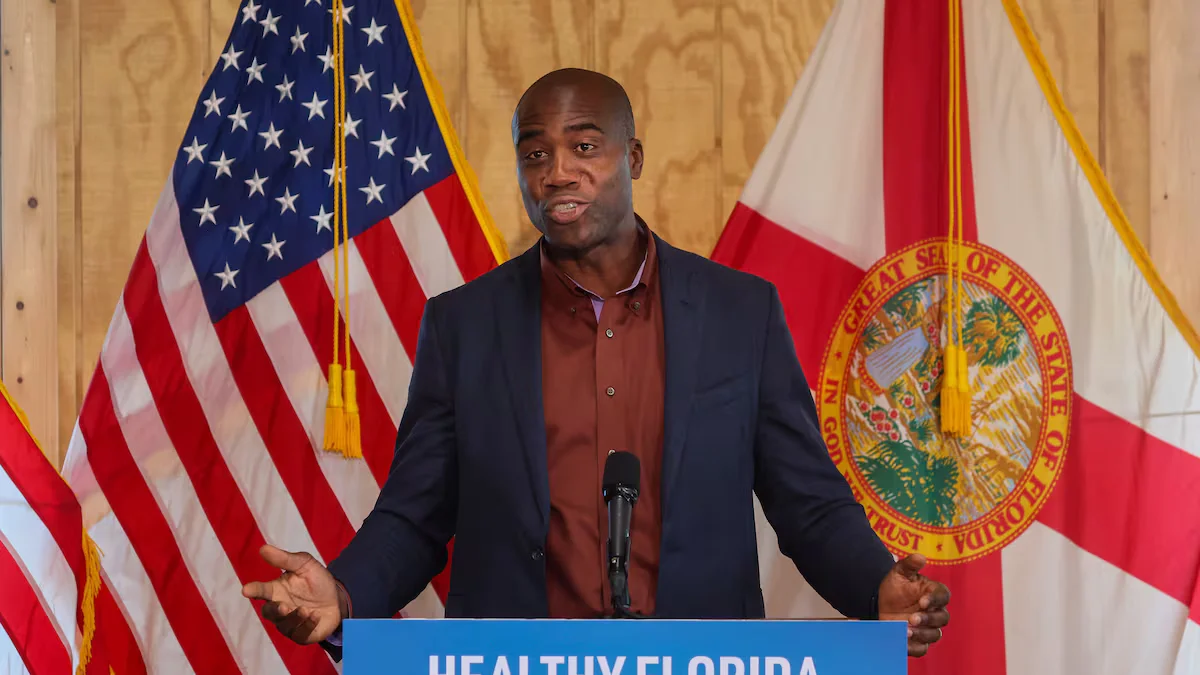
Florida’s Department of Health is trimming the AIDS Drug Assistance Program to avert a projected $120 million funding shortfall after Congress did not extend ACA tax credits, potentially depriving about 10,000 low‑income Floridians living with HIV/AIDS of affordable medications starting March 1, with eligibility narrowed to the poorest residents.
The US federal court system is set to begin furloughs and reduce operations due to a funding shortfall caused by the ongoing government shutdown, leading to delays in civil litigation and financial strain on employees, while the Supreme Court continues to operate.
The documentary filmmaking community faces significant challenges due to federal funding cuts, including the rescinding of the CPB's budget, leading to budget reductions at PBS and other organizations. Despite these setbacks, filmmakers and media organizations are exploring alternative funding sources and digital platforms to continue producing and distributing documentaries, emphasizing resilience and innovation in the face of financial adversity.
Social Security faces a significant funding shortfall that could lead to a 23% reduction in benefits within eight years if Congress does not take action to bolster the program, which is projected to run out of funds by 2033. The shortfall is driven by demographic shifts, lower birthrates, and policy changes, with policymakers urged to implement phased reforms to ensure long-term sustainability.
Humanoid Origin, the game studio founded by Mass Effect trilogy director Casey Hudson, is shutting down due to an unexpected funding shortfall. The studio, which was working on a multiplatform AAA game set in a new science-fiction universe, announced the closure in a LinkedIn post, expressing disappointment over not being able to complete their project and emphasizing their commitment to supporting their team during the transition to new employment.
Despite investing in advanced Non-Intrusive Inspection (NII) technology to detect fentanyl at the US-Mexico border, Customs and Border Protection (CBP) is unable to utilize many of these high-tech scanners due to a lack of funding for installation. This impasse reflects the broader challenges in prioritizing national security and public health initiatives, as the opioid crisis continues to escalate. The standoff over funding not only hampers CBP's ability to curb fentanyl smuggling but also underscores the need for a comprehensive strategy and bipartisan support to confront the crisis.
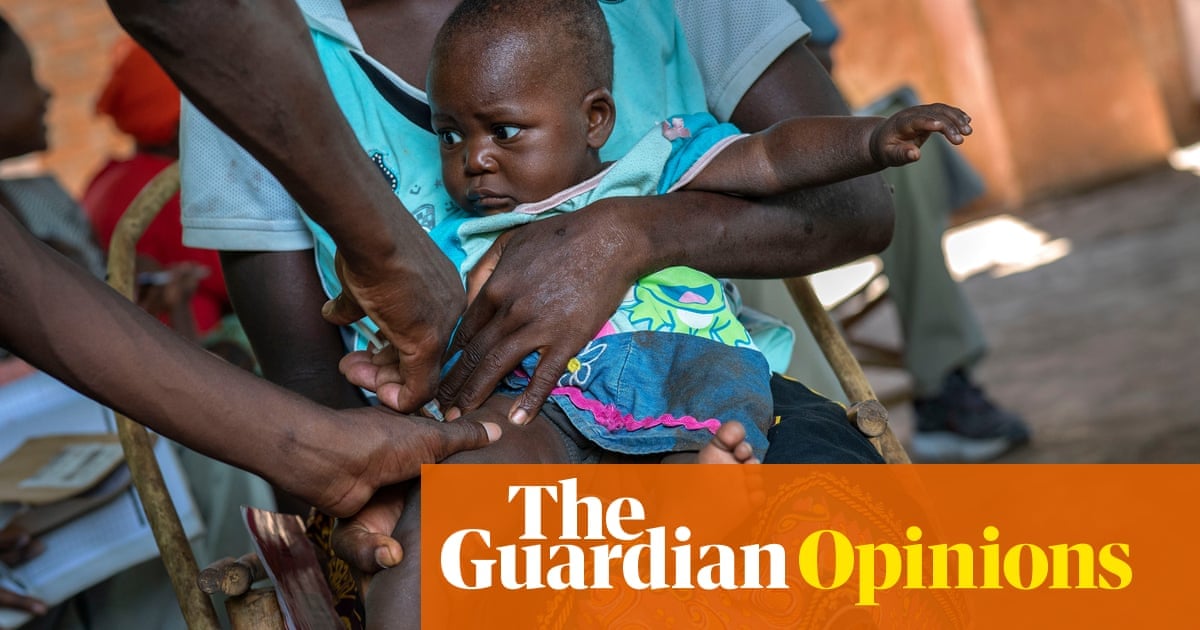
Scientists have developed two malaria vaccines after decades of research, with the World Health Organization (WHO) recommending the use of RTS,S two years ago and now backing the R21 vaccine. While the R21 vaccine is easier and cheaper to produce, it requires four doses for protection. Malaria cases have been on the rise due to various factors, including disruptions caused by the pandemic, insecticide and drug resistance, and a funding shortfall. The new vaccine is not a standalone solution but should be used alongside other measures. Ongoing research is focused on developing better vaccines and interventions, including mRNA malaria vaccines. The recent Nobel Prize awarded to Katalin Karikó and Drew Weissman for their mRNA vaccine work highlights the potential of this technology.
The Special Supplemental Nutrition Program for Women, Infants and Children (WIC) is facing a significant funding shortfall that could prevent it from providing assistance to its rapidly expanding caseload. WIC serves approximately 6.7 million women and young children, and evidence shows that it lowers the risk of infant mortality, improves brain development in children, and reduces obesity rates. Despite its success, pending appropriations bills propose draconian cuts to WIC, which would leave hundreds of thousands of people without access to the program. Advocates urge Congress to act immediately and ensure WIC has the resources it needs to support all current and prospective participants.
The chief actuary of the Social Security Administration, Stephen Goss, has identified rising income inequality as the primary cause of the program's funding shortfall. While factors such as declining birthrates and increased life expectancy have contributed, Goss argues that the significant change in income distribution between 1983 and 2000, with fast growth at the top and slow growth elsewhere, has disrupted Social Security's finances. The majority of income growth during that period occurred above the taxable maximum, reducing payroll tax receipts. To address the funding gap after 2034, Goss suggests either cutting benefits by a fourth, raising revenues by a third, or a combination of both. Proposed solutions include raising the maximum earnings subject to the payroll tax or eliminating the cap altogether.
Social Security beneficiaries in the U.S. may face a 20% benefit cut within the next decade due to a funding shortfall. Congress has the power to address this issue before the projected depletion date in 2034. Lawmakers have proposed different reform plans, including creating a new Social Security fund invested in the stock market and increasing payroll taxes for higher earners. However, progress has been hindered by political obstacles and lack of bipartisan agreement. Without action, Social Security beneficiaries are concerned about the potential impact on their financial security.
The UN World Food Programme is facing a massive funding shortfall, resulting in reductions in food aid around the world. For every 1% cut in funding, 400,000 people are pushed further into hunger. The program has been cut by half, affecting approximately 20 million people. Rations have been reduced, and some people have been completely cut off from receiving food assistance. The situation is particularly dire in Afghanistan, where 8 million people have been cut from assistance, and another 2 million will be dropped soon. The lack of food assistance not only affects food security but also breeds instability, making it a national security issue. The executive director of the World Food Programme, Cindy McCain, expresses the heartache and frustration of not being able to help those in need. Despite the challenges, there are some success stories in Central America and in programs such as school feeding and cash-based transfers, but overall, there is a critical need for more funding to prevent starvation and promote stability.
The UN's World Food Programme (WFP) has been forced to cut food assistance from 10 million Afghans due to a massive funding shortfall. This month alone, assistance has been cut for 2 million people, leaving only emergency aid for 3 million. The cuts mean that 1.4 million new and expecting mothers and their children are no longer receiving specialized food to prevent malnutrition. WFP estimates that over 36 million people in Afghanistan, around 90% of the population, lack sufficient food, as the Taliban takeover prompted the freezing of $7 billion in foreign reserves. The WFP urgently needs $1 billion in the next 6 months to feed 21 million people.