

Tag
Aid
All articles tagged with #aid
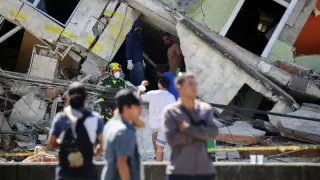
Colombia Quake Triggers Nationwide Rescue Rush as Death Toll Rises
A 7.4-magnitude earthquake struck western Colombia, triggering a national disaster as rescue teams race to reach survivors in Pereira, Cali and other cities; the death toll has risen into the hundreds with hundreds more injured or missing, and remote areas remain isolated while international aid— including EU satellite support and U.S. funding—rolls in to support relief, food and assessments.

Twin Venezuelan quakes leave dozens dead as rescue teams swarm Caracas
Twin back-to-back earthquakes struck Venezuela, killing at least 32 people and injuring about 700, with Caracas and several states hit hard; a state of emergency was declared, the main airport was closed, and international aid offers were pouring in as rescuers work amid aftershocks.

The Price of Survival: $250,000 and a Gaza Family's Fight to Stay Alive
Saleh Abu Shamala, a 34-year-old Palestinian living in London, has spent more than $250,000 sending money to his Gaza family to cover food, medicine and shelter as Israel’s blockade and restrictive import controls drive prices skyward. A shadow economy of brokers, middlemen and security-linked traders at border crossings has inflated costs, while a privatized aid system and limited humanitarian access left Gazans relying on donations and debt. The family faced displacement, medical crises (Kamal’s stroke and pacemaker needs), and tragedy (Raji’s death) as Saleh pursued costly and often unreliable evacuation options. By 2025, his monthly transfers, once over $10,000, dropped to about $2,500, illustrating how wartime policy choices and profiteering have transformed daily life and survival in Gaza.
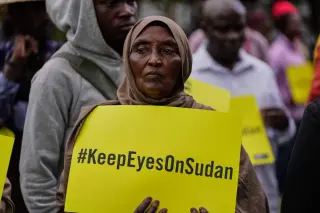
Sudan's Four-Year War Deepens a Neglected Humanitarian Crisis
Four years into Sudan's war, officials warn of a worsening humanitarian crisis described as abandoned, as civilians endure hardship under military control in Khartoum and the conflict disrupts daily life and education across the country.
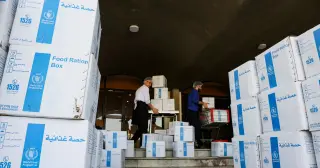
Lebanon teeters on food insecurity as war disrupts supply chains, WFP says
The UN World Food Programme warns Lebanon faces a growing food security crisis as Israel’s offensive against Hezbollah disrupts supplies and pushes prices higher, with vegetable prices up more than 20% and bread up about 17% since March. Although official stockpiles and ports remain functional for now, southern markets have largely collapsed and hard-to-reach areas are becoming harder to supply, with aid convoys limited and displacement ongoing. About 900,000 people in Lebanon were already food insecure before the latest escalation, a number expected to rise as the crisis persists.

Ukraine lands lenient IMF loan as funding gaps loom
The IMF approved an $8.1 billion loan to Ukraine with more flexible terms than initially planned, disbursing in installments through early 2030 and starting with a $1.5 billion tranche. Kyiv won a delay on unpopular tax measures (online retailer taxes, imported parcels, and VAT changes for the self-employed) to a later date. The program, aimed at addressing growth bottlenecks, corruption, and energy/financial sector reforms, is designed to cover about two-thirds of Ukraine’s needs through 2027, but Kyiv could face cash shortfalls by mid-2026 if other funding lags; Hungary’s blockade of a separate €90 billion loan adds pressure while EU leaders seek a rapid resolution.
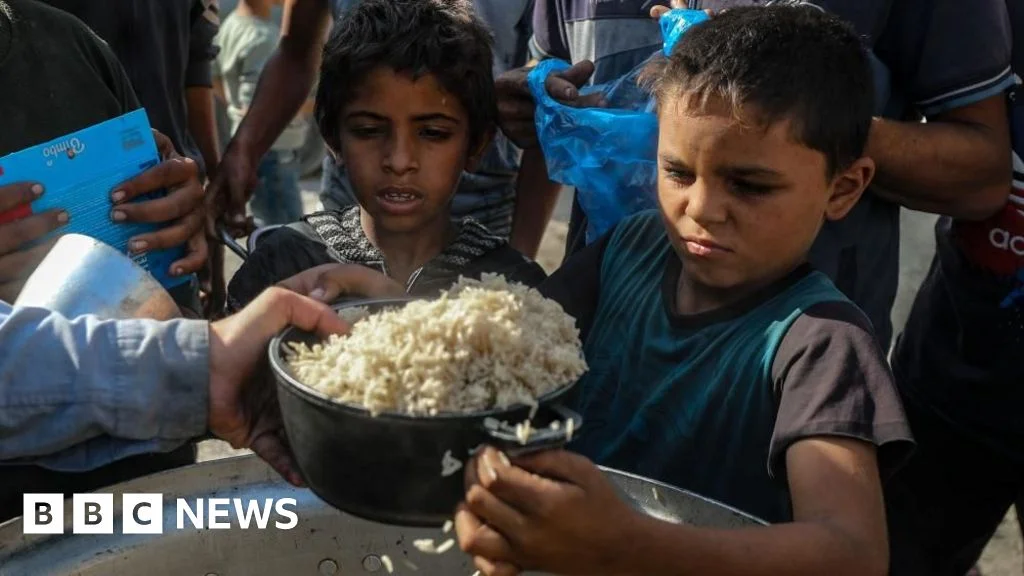
Court pause shields Gaza aid lifeline amid NGO licensing crackdown
Israel’s High Court temporarily halted a ban that would have forced 37 international aid groups to stop work or meet new licensing rules, delaying a March deadline and preserving humanitarian operations in Gaza and the West Bank while the case is reviewed. NGOs argue the measures threaten essential aid and are politically motivated, even as there are ongoing claims of ties to armed groups and security concerns.
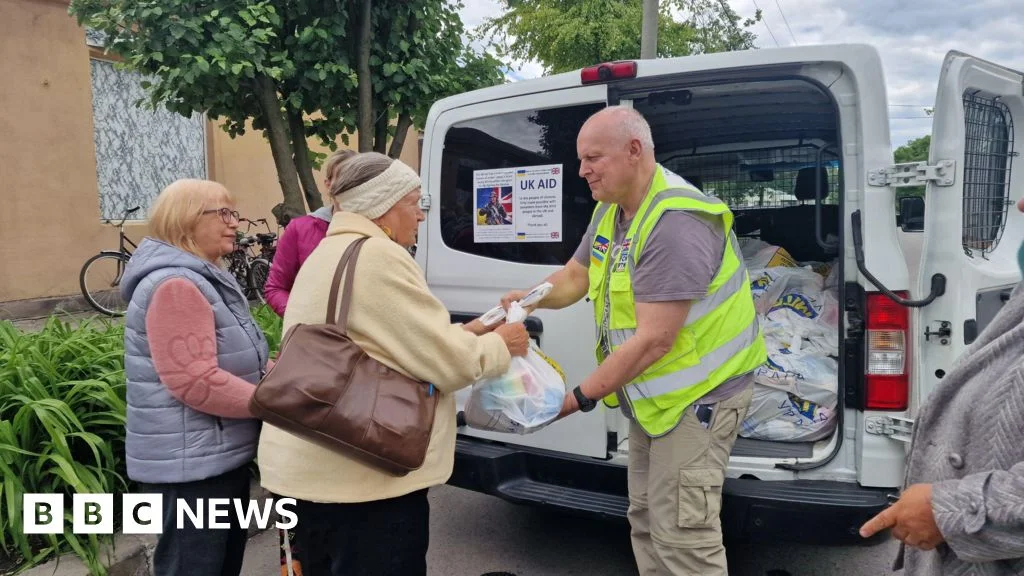
UK aid volunteer's 13th trip highlights Kyiv's winter blackout and hardship
Gary Fear, a Staffordshire-based volunteer, has completed 13 aid missions to Ukraine since Russia’s invasion and has raised over £150,000 to help more than 7,500 families. He describes Kyiv as dark and freezing this winter amid energy outages, snow and tents in apartment complexes heated by gas, illustrating the civilian hardship. He plans another delivery in May with supplies such as food, generators and power banks, as European leaders mark the war’s fourth anniversary.

Pope Leo XIV Delivers Generators and Medical Supplies to Ukraine
The Vatican says Pope Leo XIV sent 80 electric generators and thousands of medical supplies to Ukraine to help civilians endure freezing winter temperatures and ongoing attacks on energy infrastructure; a further shipment of medicine and food is being prepared, coordinated through parish networks across Ukraine.

Guernsey donors ship village-sized generator to power Ukrainian community
A large standby generator donated by a Guernsey businessman arrived in Odesa to help power a small village in south-western Ukraine. Organised by Nick Reid with John Mellor’s donation and Marc Lainé driving the roughly 2,000‑mile journey, it’s Reid’s third such aid effort to Ukraine, following deployments to a hospital and a police bomb‑disposal centre.

Aid cuts could spark 22 million extra deaths by 2030, study shows
A Lancet Global Health modelling study links abrupt official development assistance (ODA) cuts to up to 22.6 million excess deaths by 2030 under severe defunding, including about 5.4 million among under-fives, with milder defunding causing about 9.4 million more deaths. The analysis—covering 2002–2021 data and projecting three scenarios—says the US, UK and other donors’ reductions could reverse decades of gains against infectious diseases and malnutrition, risking the collapse of health systems in some countries.
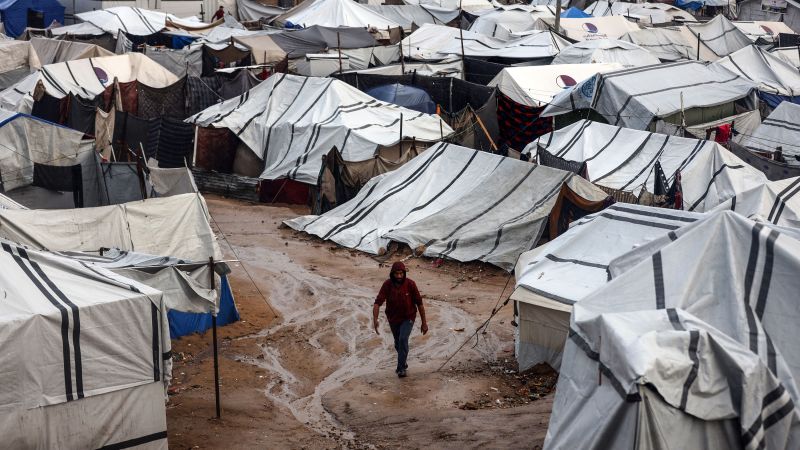
Harsh Winter Worsens Humanitarian Crisis in Gaza
A severe winter storm in Gaza has caused multiple fatalities and widespread destruction, including building collapses and displacement, exacerbating an ongoing humanitarian crisis amid limited aid access, as residents struggle to survive in harsh conditions.

Palau to Accept Up to 75 US Migrants in Aid Deal
Palau has agreed to accept up to 75 migrants from the US in exchange for additional aid, including financial assistance and support for security and civil service reforms, amid ongoing US immigration policies and debates over migrant transfers.
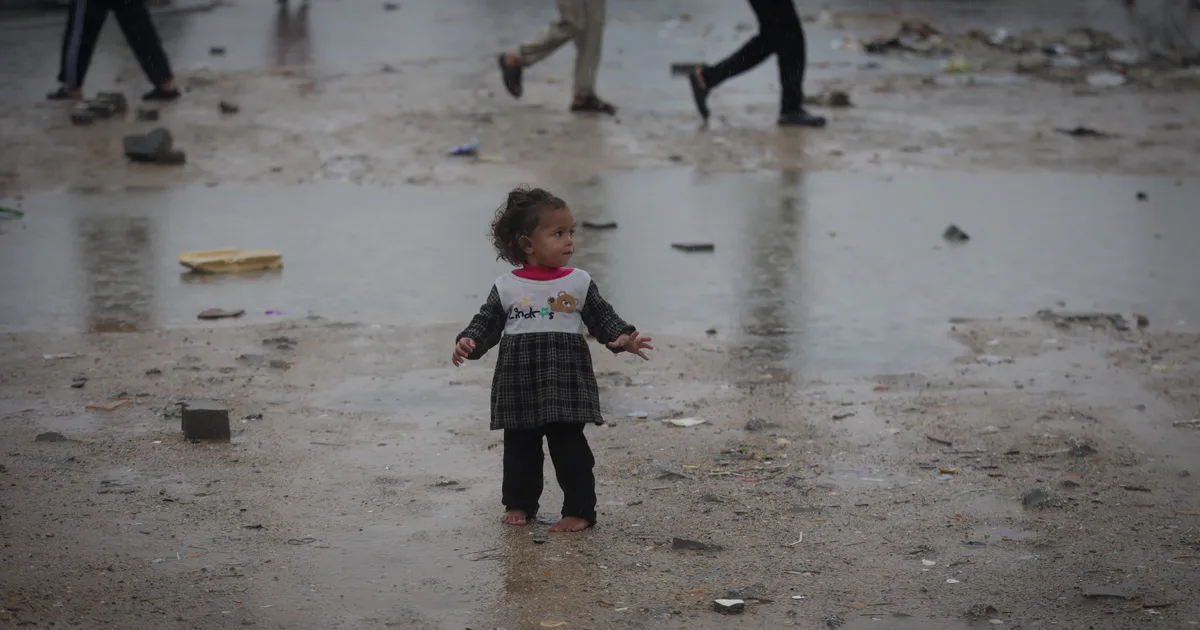
Gaza Faces Devastation as Storms and Blockades Worsen Humanitarian Crisis
Gaza faces severe challenges as torrential rains cause flooding, building collapses, and fatalities, exacerbating the already dire situation for displaced families amid inadequate shelter and aid shortages, with international efforts ongoing to provide winter supplies.