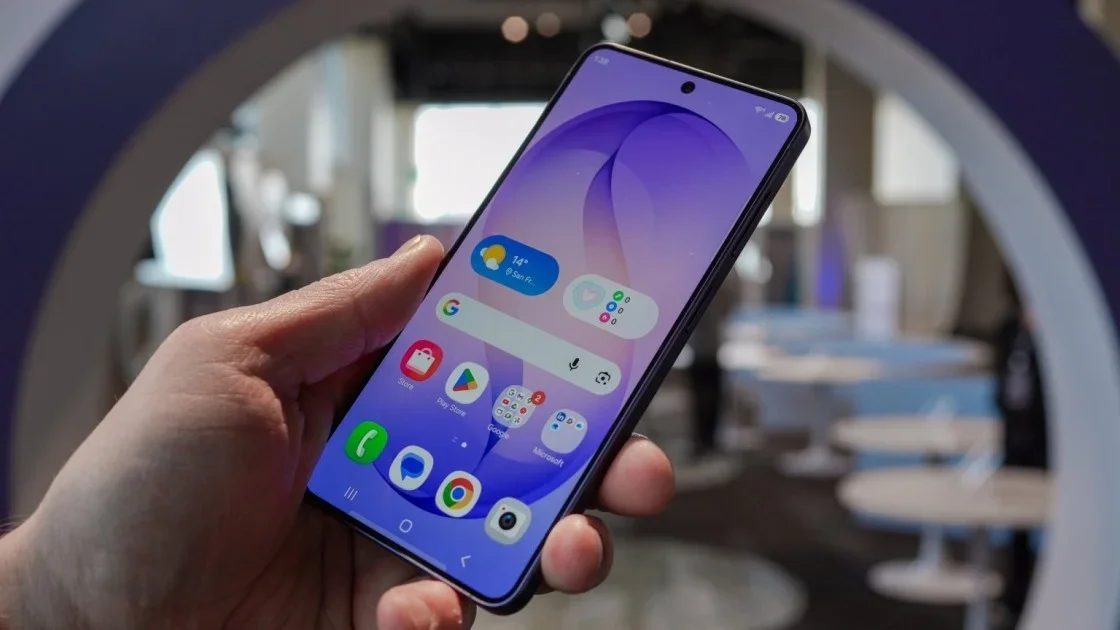
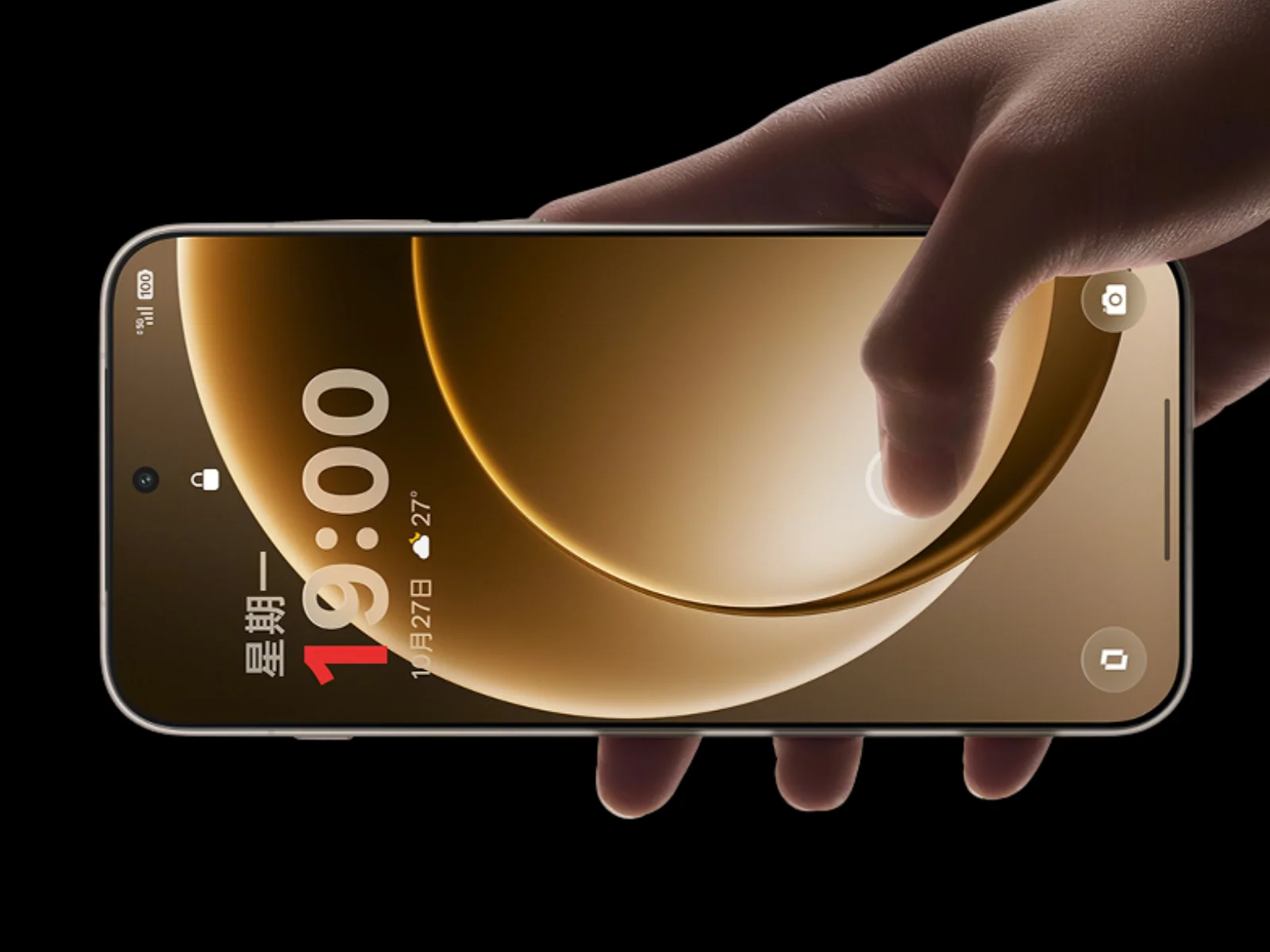
Xiaomi has officially announced a September 23 launch in China for the 18 Pro series, including the 18 Pro and 18 Pro Max, with the 18 Ultra reportedly canceled; the line is expected to be camera-focused with 200 MP primary cameras, 2 nm processors, M11 OLED displays, and larger batteries (7,000 mAh on the 18 Pro and 8,500 mAh on the 18 Pro Max).
Motorola appears to have confirmed a follow-up to the Signature via European promo banners and a teaser image, hinting at the Signature 27 with a larger rear camera and a high-end chipset. While no official launch date is given, the company’s promotions suggest a unveiling—and potential wider release—by the end of 2026, with US availability still uncertain. If it follows Signature 26, expect strong cameras, a slim profile, and a Snapdragon 8 Elite Gen 6-class processor.
Google’s Pixel 11 Pro XL is pricey at $1,300 with only 12GB RAM, prompting Android Authority to propose five solid Android alternatives: Samsung Galaxy S26 Ultra (flagship with Snapdragon 8 Elite Gen 5 and a 200MP camera), Motorola Razr Ultra (2026) (premium foldable with 16GB RAM and a large inner display), Google Pixel 10a (affordable at $499 with strong software support and battery life), Nothing Phone 3 (distinctive design, 65W charging, solid cameras and updates), and Google Pixel 10 Pro XL (powerful Pixel option with Tensor G5 and 16GB RAM at a lower price). The piece notes each option’s trade-offs while highlighting the Galaxy S26 Ultra as the top general alternative for most buyers.
A brief listing on Xianyu briefly showed two desoldered engineering samples marked SM8975-100-BC, likely the Snapdragon 8 Elite Gen 6 Pro, hinting at Qualcomm's next flagship and multiple high-end dies; die markings and packaging dates suggest late-2025 fabrication with OEM samples available from February 2026, as Qualcomm teased multi-die flagships.
Rumors suggest the iPhone 17 could extend Apple’s flagship tenure to about 18 months—the longest run since the iPhone 4—before the iPhone 18 arrives in 2027, with Pro models continuing annually and a folding iPhone potentially joining the lineup.
Audi introduces the Q9 as the brand’s largest vehicle and new flagship, extending the Q7’s formula to a full-size three-row SUV with a 209-inch length, long wheelbase, luxe interior tech, and up to 87.7 cubic feet of cargo space (with seats down). It’s powered by a 429-hp 2.9L twin-turbo V6 in the base Q9 (8-speed auto, Quattro, 0–60 in 4.9s) with standard adaptive air suspension, and offers a US-exclusive SQ9 with a 591-hp 4.0L V8 (3.8s 0–60, 7,700 lb tow). Prices start at $89,095 (SQ9 at $119,395); production in Bratislava is slated for US arrivals in Q4, positioning the Q9 against the GLS, X7, and Escalade as Audi’s new flagship.
Audi unveils the 2027 Q9 as its new flagship SUV designed for the US market, starting at $87,700; built on VW Group's Premium Platform Combustion, it offers a Q9 and SQ9 (twin-turbo V8) with rear-biased AWD, active-matrix LED headlights, and a three-row interior configurable for six or seven seats. With a 209-inch length and 123.5-inch wheelbase, cargo starts at 19.3 cu ft behind the third row (up to 87.7 cu ft with all seats folded) and towing up to 7,700 lb, making it a US-market flagship intended to rival large rivals like the Cadillac Escalade.
Sony has unveiled the Xperia 1 VIII, a flagship that doubles as a nostalgia play by reintroducing a 3.5 mm headphone jack, microSD expansion, and thick bezels while offering high-end specs: Snapdragon 8 Elite Gen 5 with 12–16 GB RAM, 256 GB–1 TB storage, a 6.5-inch LTPO display, 5,000 mAh battery with 30 W wired charging and 15 W wireless charging, triple 48 MP rear cameras with 4K/120 fps video, a 12 MP front camera, IP65/IP68, a dedicated shutter button, Android 16 with four years of OS updates and two years of security patches, and UK/EU pricing of £1,399 / €1,499 plus a free WH-1000XM6 headset for pre-orders (pricing higher than Samsung Galaxy S26 Ultra and Google Pixel 10 Pro XL).
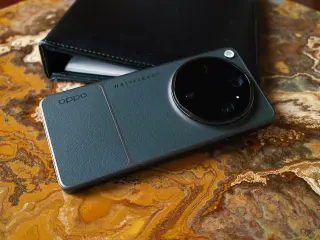
Oppo unveiled the Find X9 Ultra in Chengdu, pairing a 6.82-inch LTPO AMOLED 144 Hz display with a Hasselblad-driven camera system led by a 200 MP Sony LYT-901 sensor, plus 3x and 10x telephoto lenses. Powered by the Snapdragon 8 Elite Gen 5 with 12 GB RAM, Wi‑Fi 7, Bluetooth 6.0, NFC, Android 16/ColorOS 16, a 7,050 mAh battery, and a 300 mm teleconverter accessory, the device earned early praise for autofocus and live previews but ran warm in hot conditions, dimming the display in bright sun. Oppo also promises five years of major updates with a global launch on the horizon.
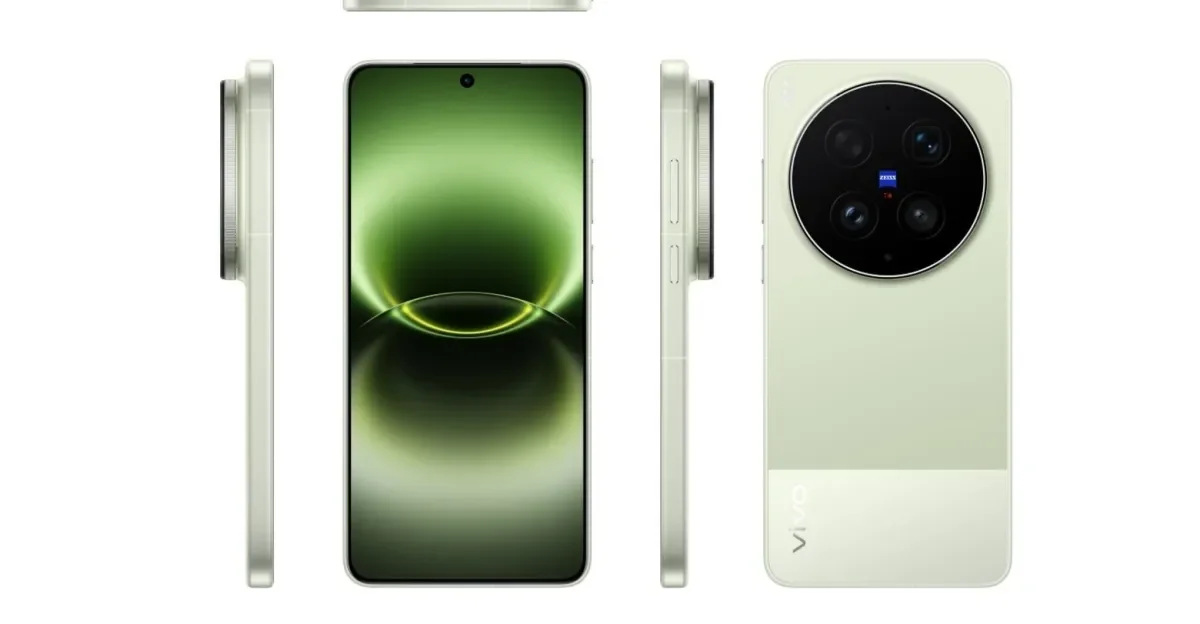
Vivo today unveiled the X300 Ultra in China as a flagship cameraphone designed for professional photography, featuring a 3+2 ZEISS Master Lenses Collection (14mm ultra-wide with Sony LYTIA 818, 35mm Documentary Camera, 85mm gimbal-grade telephoto with a 200MP Samsung HP0 sensor) and optical stabilization across focal lengths; it supports Multi-Focal 4K 120fps 10-bit video for ACES workflows, quad-mic audio, and is powered by a Snapdragon 8 Elite Gen 5 processor with a 6600 mAh battery and 12–16GB RAM plus 256GB–1TB storage in black, silver, and green. Pricing hasn’t been announced and Vivo says it will roll out to global markets later this year (first Ultra outside China).
Uniqlo returns to Chicago’s Magnificent Mile with a new flagship at 600 N. Michigan Ave., part of an 11-store U.S. expansion; opening events Friday will include taiko drum performances and early access to the Roger Federer Collection, plus exclusive local merch. The first 500 customers each day will receive a Garrett Popcorn tin, popcorn, a pastry and tea from Ravenswood’s Del Sur Bakery, and shoppers who spend $99+ will get a Chicago-themed tote bag. The store will operate 10 a.m.-8 p.m. Mon-Sat and 11 a.m.-6 p.m. Sundays.
The Galaxy S26 Ultra is a significant upgrade over the S22 Ultra, featuring a flat design with a thinner 7.9mm chassis, tougher Gorilla Glass Armor 2, a brighter 2,600-nit LTPO display, and a Snapdragon 8 Elite Gen 5 with 256GB/12GB RAM standard. It also improves cameras, adds a full Galaxy AI software suite, and broad OS support while boosting charging speeds. The S Pen Bluetooth and Air Actions are removed. With strong trade-in options (up to about $500 in the US), the upgrade is compelling for most users, though those who value the older S Pen features may miss them.
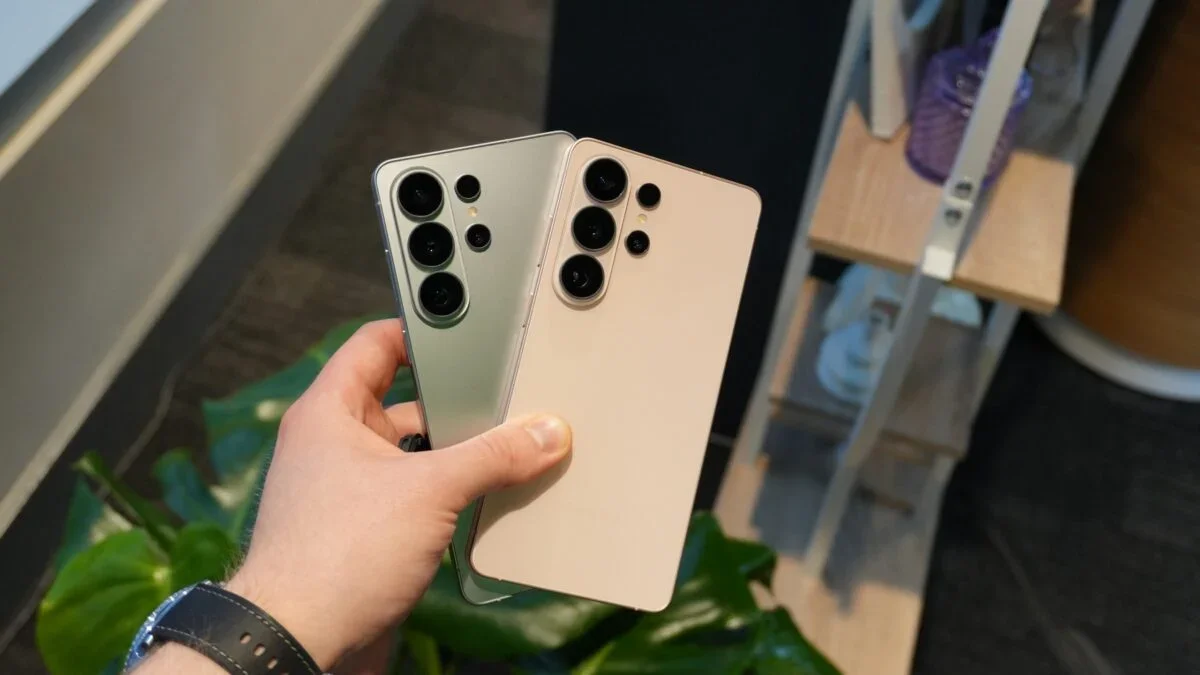
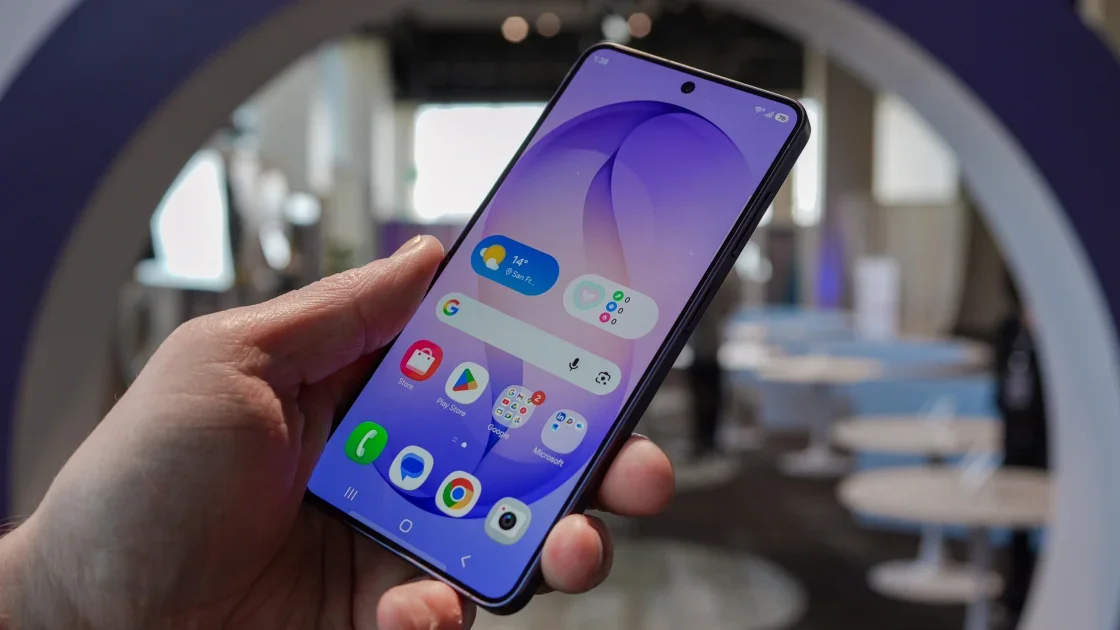
Samsung’s Galaxy S26 lineup arrives as three sizes — S26 (6.3”), S26+ (6.7” with mmWave 5G), and S26 Ultra (6.9” with embedded S Pen) — all sharing a refined aluminum frame, IP68 durability, 120Hz displays, and AI-heavy One UI software. Internally they use the Snapdragon 8 Elite Gen 5 with 12GB RAM (Ultra up to 16GB) and 256/512GB storage (Ultra up to 1TB). Cameras diverge: S26/S26+ use 50MP main, 12MP ultra-wide, 10MP tele; Ultra upgrades to a 200MP main, 50MP tele, and 5x optical zoom. Battery sizes scale from 4,300mAh (S26) to 5,000mAh (Ultra) with wired/wireless charging up to 60W/25W (Ultra), 45W/20W (S26+/S26), and 15W (S26). All models support 8K video, no microSD or headphone jack, and the Ultra notes an AI-rich feature set (photos in Gallery prompts, cross-app AI actions) plus seven years of OS/security updates. Pricing starts at $899.99 (S26), $1,099.99 (S26+), and $1,299.99 (Ultra).
Samsung’s Galaxy S26 lineup and Google’s Pixel 10 duel in a tight flagship race, with the S26 highlighting Privacy Display, S Pen on the Ultra, and a 200MP main camera, while the Pixel 10 emphasizes Tensor G5 AI features and earlier Android updates; Pixel generally undercuts Samsung on base pricing, though top storage options narrow the gap. Displays tilt toward Pixel in brightness, Galaxy offers the largest screen, and 8K video remains a Galaxy highlight (Pixel maxes out at 4K/60fps). Both families include IP68, long software updates, and 5G, so a definitive winner awaits full reviews—your pick depends on whether you want AI-first software and multitasking prowess or hardware features and advanced display tech.
A fresh Weibo leak hints the OnePlus 16 will sport sub-1mm display bezels, thinner than the OnePlus 15’s 1.15mm, with rumored high-end specs including up to a 240Hz refresh rate, a 9000mAh battery, and Snapdragon 8 Elite Gen 6, plus a triple-camera setup (50MP main, 50MP ultrawide, 200MP periscope). A Q4 2026 launch is anticipated, with talk of a smaller OnePlus 15s beforehand.