Tag

Grasslands

All articles tagged with #grasslands

Global map reveals Earth’s hidden fungal highways are densest beneath wild grasslands
environment18 days ago

Global map reveals Earth’s hidden fungal highways are densest beneath wild grasslands

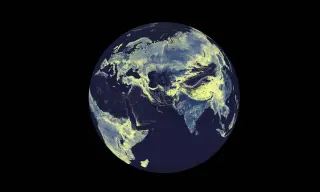
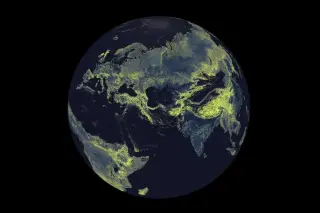
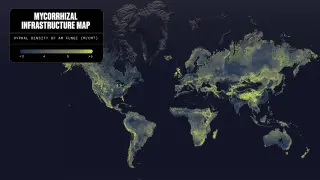
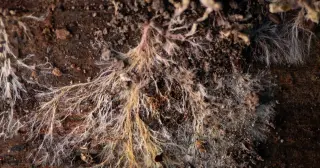
Researchers mapped the world’s underground mycorrhizal network, estimating about 68 quadrillion miles (110 quadrillion km) of fungal hyphae that connect around 70% of Earth’s plants. The network boosts plant access to water, nutrients, and soil carbon exchange, and it is densest under wild grasslands rather than rainforests. Farmland shows about half the density, highlighting how agricultural practices affect these hidden connections and offering new avenues for conservation and farming methods that protect this vast, climate-relevant web.

Earth’s Underground Fungal Web Could Stretch Across the Milky Way, Study Finds
science26 days ago

Earth’s Underground Fungal Web Could Stretch Across the Milky Way, Study Finds

Scientists mapped the planet’s underground fungal networks—dominated by arbuscular mycorrhizal fungi—using 16,000 soil samples and a machine‑learning model, estimating about 110 quadrillion kilometers of hyphae that underpin nutrient and water exchange, climate regulation, and the carbon cycle. The global fungal biomass is roughly 300 megatons, with around 70% supporting most ground‑level plant life and 40% concentrated in high‑altitude or flooded grasslands. Density is lower in cropland soils, underscoring the need to protect grasslands and other ecosystems that host these hidden networks.

Global map reveals Earth's gigantic underground fungal networks could span a tenth of the Milky Way
science29 days ago

Global map reveals Earth's gigantic underground fungal networks could span a tenth of the Milky Way

A global study maps arbuscular mycorrhizal fungal networks using 16,669 soil cores and AI, revealing dense underground hyphal networks that connect most land plants and drive carbon and nutrient exchange. Wild grasslands host the densest networks, with topsoil containing a large share of global fungal biomass, and croplands showing about 50% lower density. If laid end-to-end, the hyphae would stretch about 68 quadrillion miles (110 quadrillion kilometers), roughly 10% of the Milky Way’s width, highlighting their key role in the carbon cycle and informing biodiversity, climate, and agricultural strategies.

Rethinking Ape Evolution: Wooded Grasslands in Africa 21 Million Years Ago.
science3 years ago

Rethinking Ape Evolution: Wooded Grasslands in Africa 21 Million Years Ago.

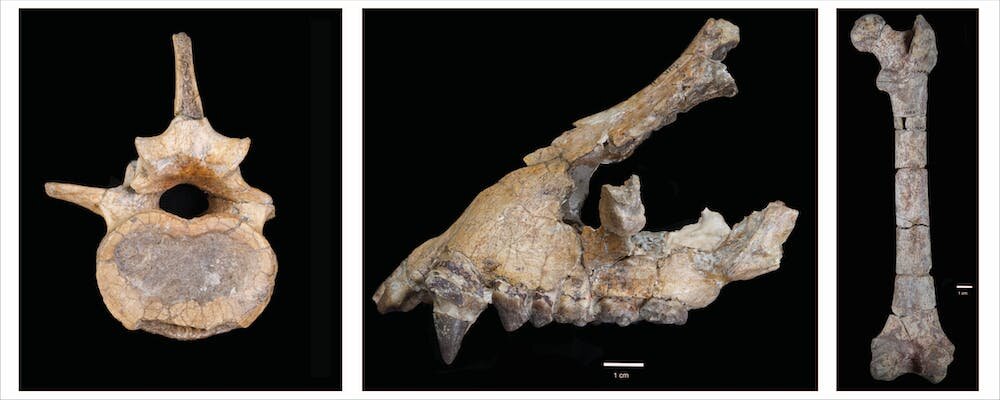
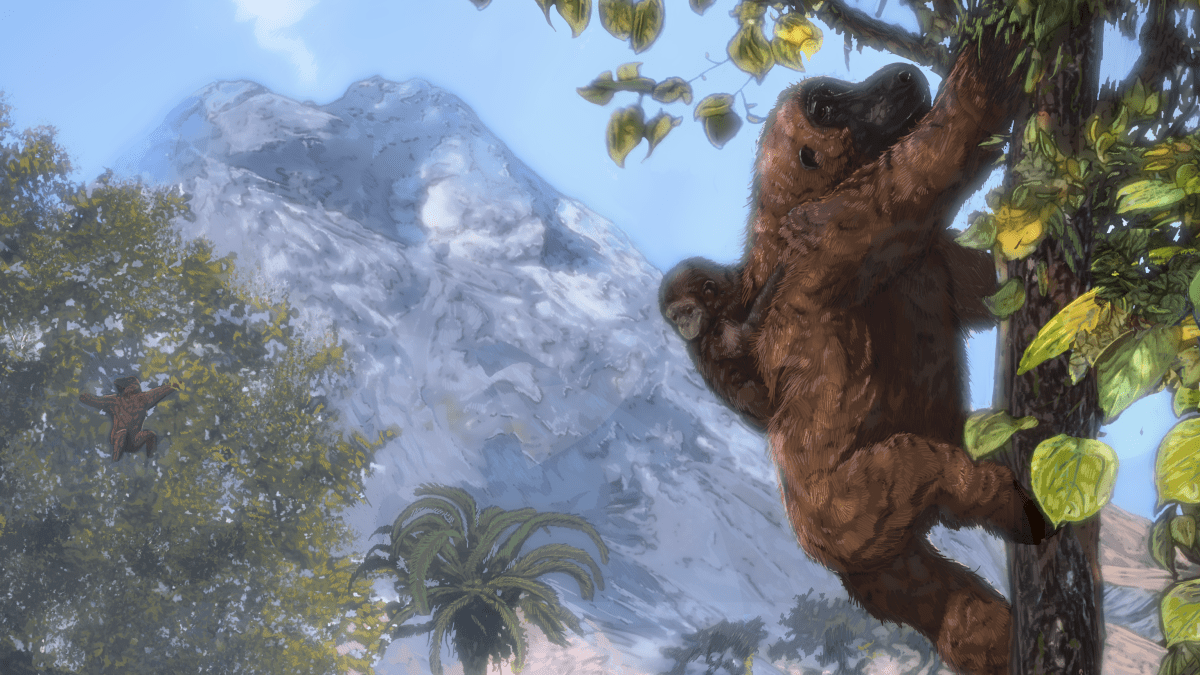
New research challenges the traditional narrative that the evolution of apes and humans was driven by the expansion of grasslands in Africa. A multidisciplinary team of scientists has found evidence that the earliest known ape with upright locomotion, Morotopithecus, consumed leaves and inhabited an open woodland with grassy areas. The team discovered that wooded grasslands existed in Africa 21 million years ago, much earlier than previously thought, and that the ecological signal measured at Moroto was part of a broader pattern in eastern Africa during this time. The findings call for a reassessment of the evolution of apes, humans, and other African mammals.

"Grassland Theory Challenges Traditional Views on Human Evolution"
science3 years ago

"Grassland Theory Challenges Traditional Views on Human Evolution"

The theory that ancient apes first adopted an upright posture while living high in the canopies of dense forests may have to be rewritten after a new study challenges the idea. The research suggests that the east African home of these apes was not a dense forest, but rather a grassland. This reappraisal of when Africa gained its earliest grasslands could change the story of how our distant ancestors first came to stand upright.

"Ancient African Wooded Grasslands Challenge Ape Evolution Theories"
science3 years ago

"Ancient African Wooded Grasslands Challenge Ape Evolution Theories"

New research challenges the traditional scientific narrative that Africa was once a verdant idyll of vast forests stretching from coast to coast, and that the earliest ancestors of apes and humans first evolved traits in these lush habitats. Instead, a multidisciplinary team of scientists has concluded that apes evolved in open woodland environments with grassy areas, and consumed leaves instead of fruit. The team's findings, based on the study of fossils and paleosols, force a reassessment not just of the evolution of apes but of humans and other African mammals.