Autonomous Drones Trace Ocean Snow to Measure Carbon Pathways
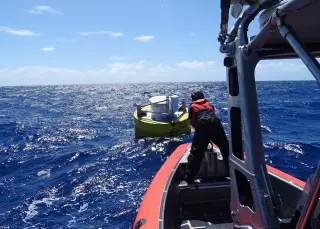
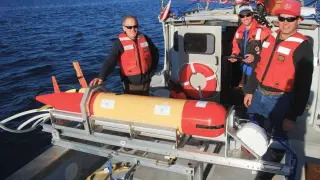
MBARI deployed two 242.5-pound autonomous underwater vehicles to move ahead of a research ship, following a drifting sediment trap by acoustic beacon and photographing the upper 656 feet of water as the trap collects sinking marine snow, a setup aimed at linking surface plankton blooms to deep-sea carbon export and improving climate models during El Niño.