Airborne microplastics may warm the planet, new study shows
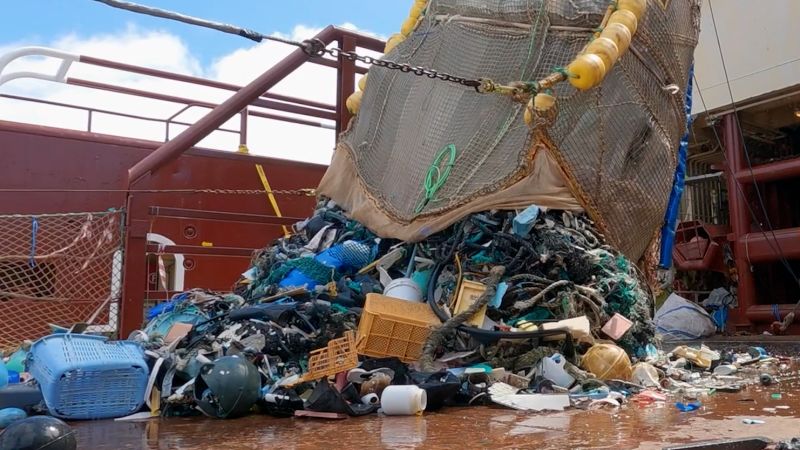
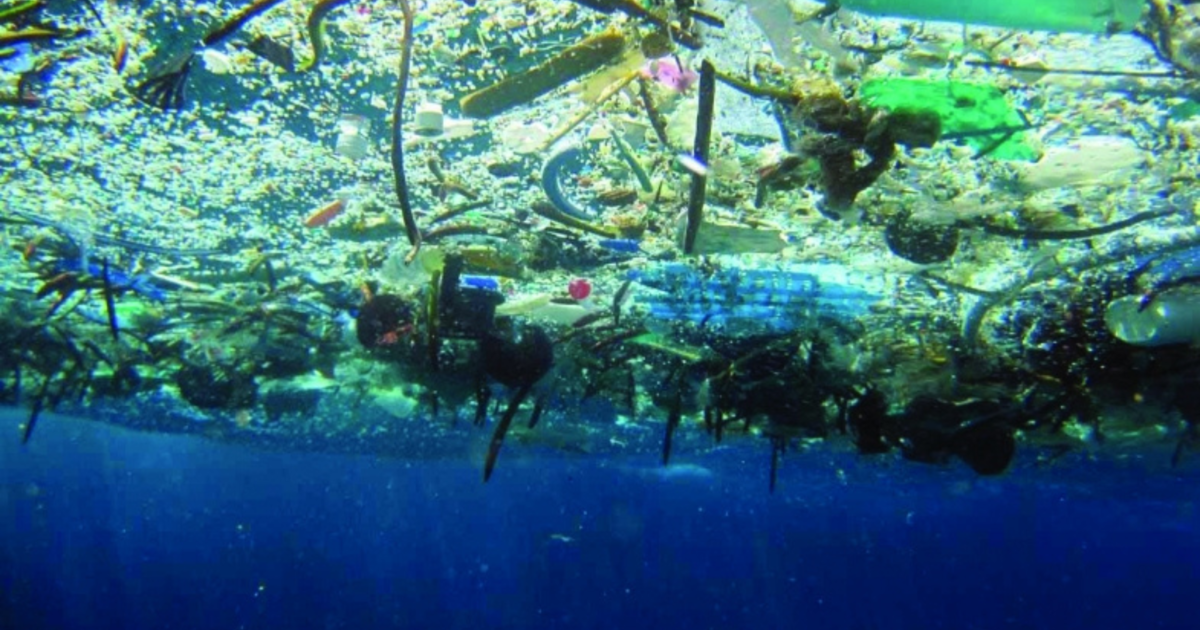
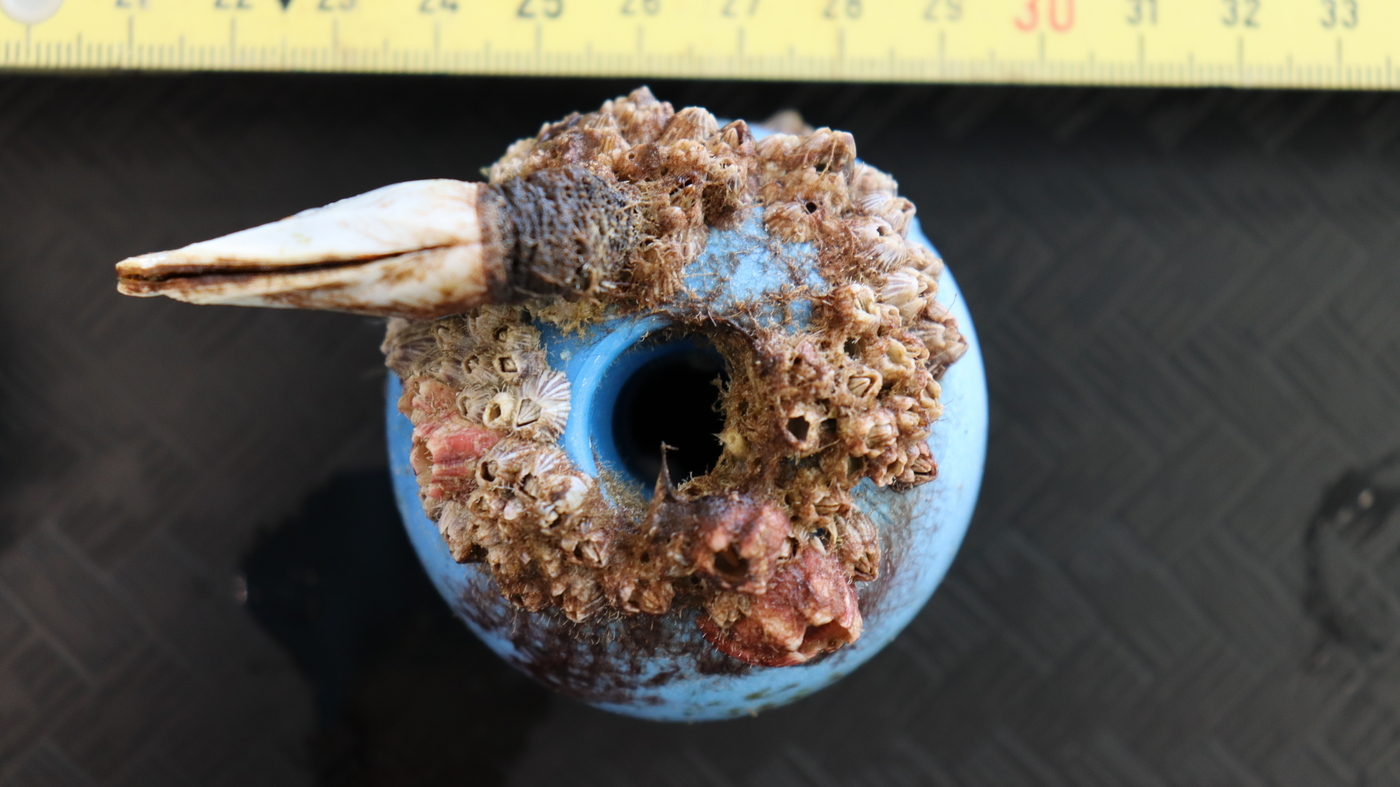
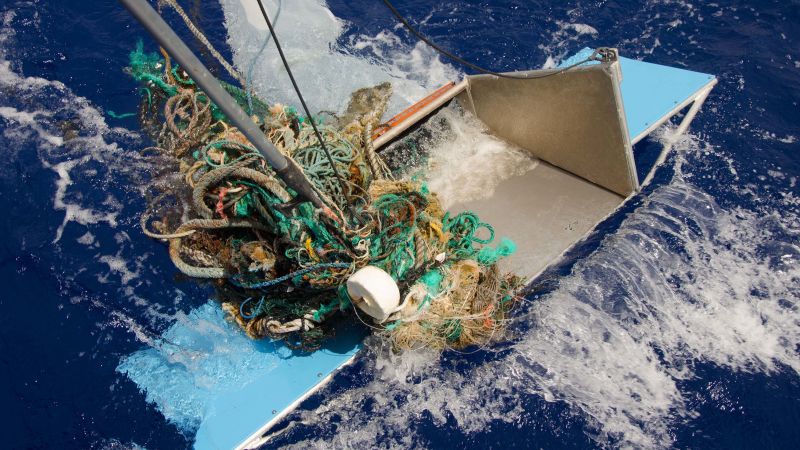
New research shows microplastics and nanoplastics suspended in the atmosphere—originating from sources like the Great Pacific Garbage Patch—absorb sunlight and heat the air, with colored pigments making them far more effective at warming than clear plastics. The warming effect is likely small globally but could be pronounced in regions with higher atmospheric plastic, and scientists caution that uncertainties in measuring airborne plastics mean climate models should be updated as more data become available.