Ethiopia’s government reports planting over 48 billion trees since 2019, including a record 800 million in August. The initiative aims to reach 50 billion, supported by local businesses selling seedlings and national mass planting drives.
The National Park Service is set to begin a new phase of tree removal at East Potomac Golf Links in Washington, D.C., starting October 11. A federal court filing indicates that up to 529 trees may be cut, with the first phase targeting 169 trees and a second phase covering 90 more. While the Trump administration claims these actions are for deferred maintenance and historical restoration, critics argue they are part of a broader redesign plan. The course remains open to the public, but the lack of a final design plan has fueled ongoing legal and community disputes.
The U.S. Department of Agriculture has filed a proposal to rescind the 2001 Roadless Area Conservation Rule, which currently protects approximately 45 million acres of national forest land from new road construction and commercial logging. Secretary Brooke Rollins argues that the rule hinders wildfire risk reduction and forest health, while critics warn it will fragment habitats and increase fire ignitions. A 30-day public comment period ends on September 21, 2026, with Colorado and Idaho exempt due to state-specific protections.
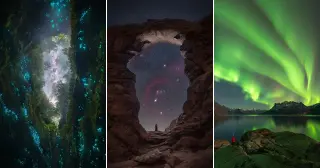
DarkSky International has announced the 31 winners of its sixth annual Capture the Dark 2026 photography contest, which received a record number of entries from over 30 countries. The competition aims to highlight the beauty of dark skies while raising awareness about the harmful effects of light pollution, which the organization states is increasing by nearly 10% annually worldwide. Winners were selected across nine standard categories, including Nightscapes, International Dark Sky Places, and Deep Sky Observations, as well as a special Star Trek 60th anniversary category and a People’s Choice Award. Notable winners include Paul Wilson for a panorama in South Australia, Kat Lawman for a composite shot in Utah’s Arches National Park, and Ethan Keller for a northern lights image in Alberta that reflects Indigenous folklore. The contest serves as a key advocacy tool for DarkSky International, using visual storytelling to promote responsible outdoor lighting and preserve nighttime environments for wildlife and astronomy.
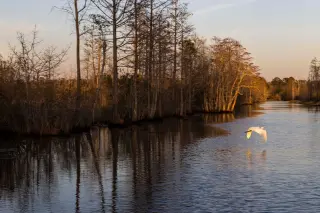
The Okefenokee National Wildlife Refuge in Georgia — one of the world’s largest intact freshwater ecosystems — was designated a UNESCO World Heritage site, marking a first for Georgia and joining a list that includes Yosemite and the Taj Mahal. The designation highlights its ecological and cultural significance but does not prevent ongoing mining battles near the refuge. It could boost tourism and local jobs, though some residents worry about increased visitors and potential new restrictions.
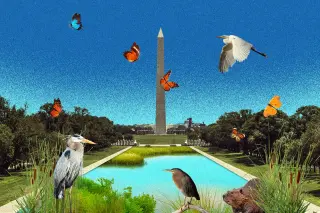
A Washington Post column argues that using natural processes—biofilters and bioreactors within a swamp-inspired ecosystem—could cleanse the Lincoln Memorial Reflecting Pool of algae without chemicals, echoing ideas that restoring its marsh origins and embracing nature may be more patriotic and effective than chemical treatments.
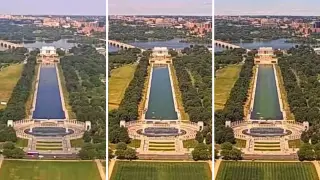
A satellite analysis shows the Lincoln Memorial Reflecting Pool had its largest June algae bloom in at least five years, occurring days after a $14 million renovation, with EarthCam photos showing widespread growth and weather conditions likely contributing to the spike.
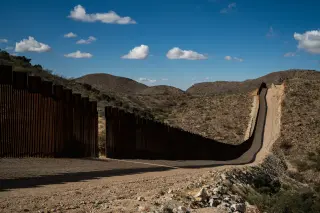
Trump’s border-wall expansion in the Arizona desert damaged a rare Indigenous intaglio—a roughly 200‑foot ground etching resembling a fish and thought to be at least 1,000 years old—after heavy machinery cut a 60–70‑foot swath inside Cabeza Prieta National Wildlife Refuge. The project’s DHS waivers to bypass environmental and Indigenous protections have alarmed Native communities and conservationists as hundreds of miles of barriers are rapidly built across the border, prompting calls for accountability and greater site protection.
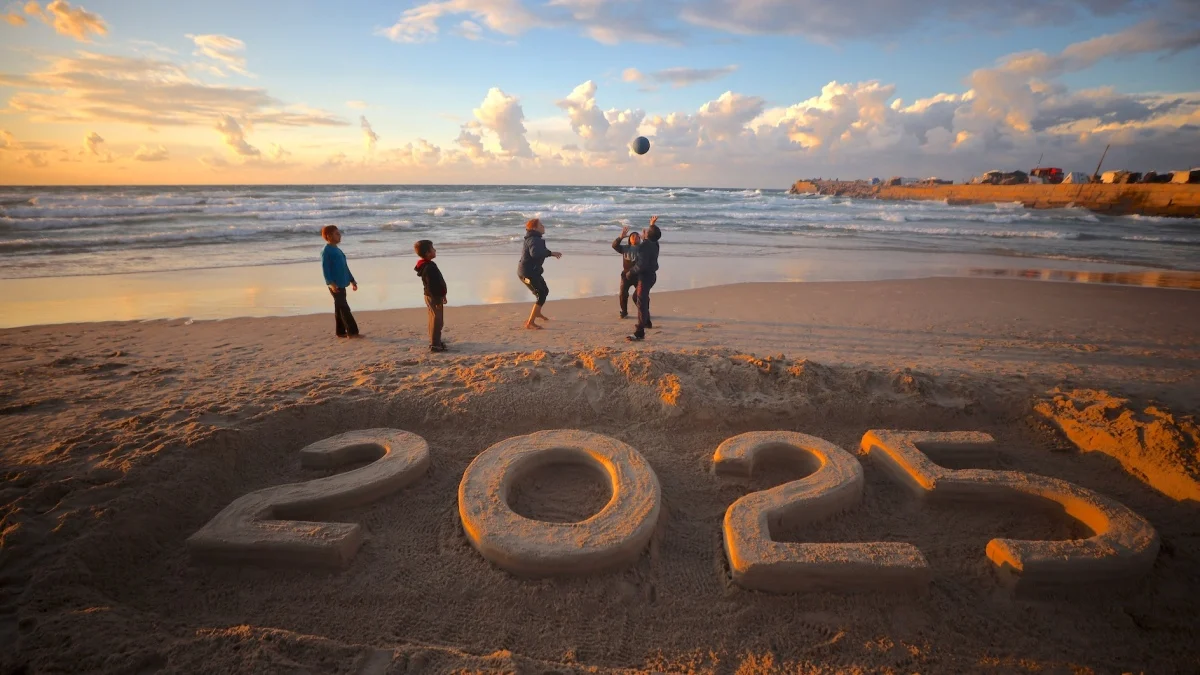
Despite global challenges in 2025 such as conflicts and climate issues, significant progress was made in areas like reducing China's carbon emissions, surging EV sales, renewable energy adoption, conservation efforts, and medical advancements including regenerative heart treatments and AI-driven healthcare, offering a more hopeful outlook for 2026.
Prince William visited Brazil, criticizing illegal deforestation in the Amazon and highlighting conservation efforts, including planting mangroves and supporting wildlife protection, while promoting the Earthshot Prize and addressing global environmental issues.
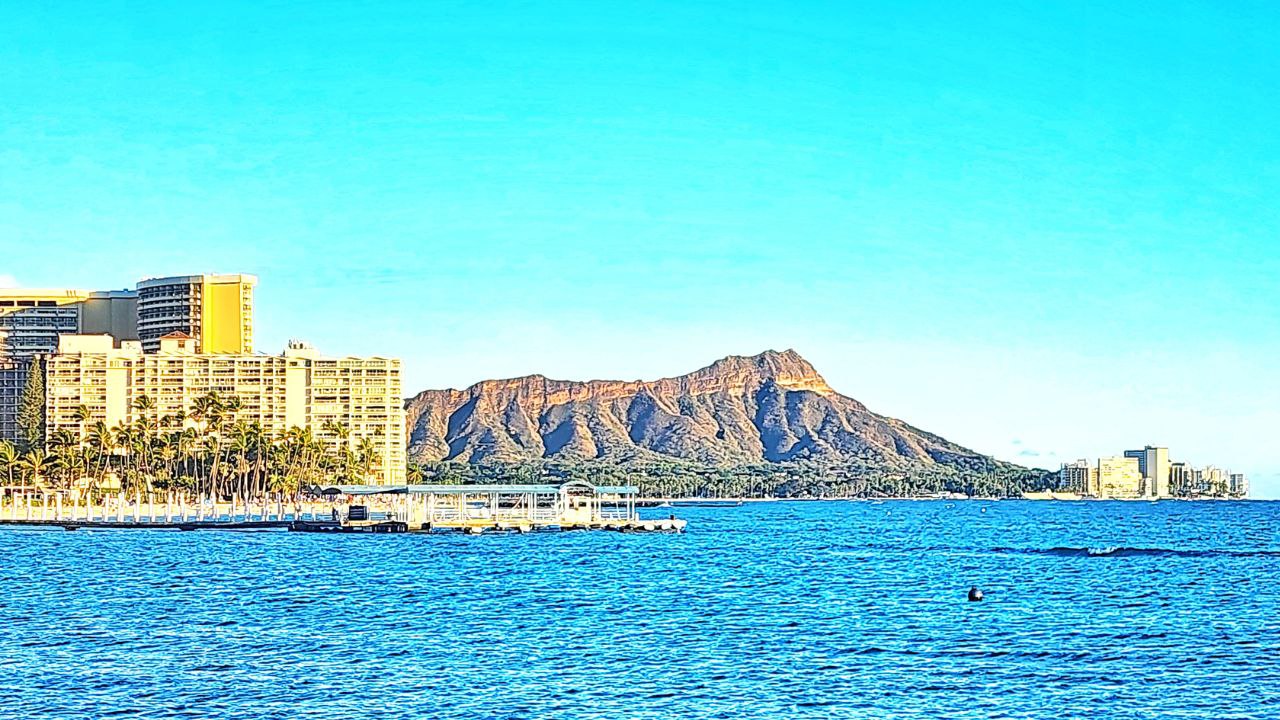
Hawaii, already leading the U.S. in hotel tax rates, is considering a new 'green fee' to fund environmental conservation, potentially raising costs for travelers. Governor Josh Green prioritizes this fee, which could be integrated into existing accommodation taxes, to address climate resilience. While some residents support the fee to manage over-tourism, the hospitality industry fears it may deter visitors. Legal challenges may require the fee to apply to both residents and tourists, complicating its implementation. The proposal's success hinges on balancing affordability with sustainability.
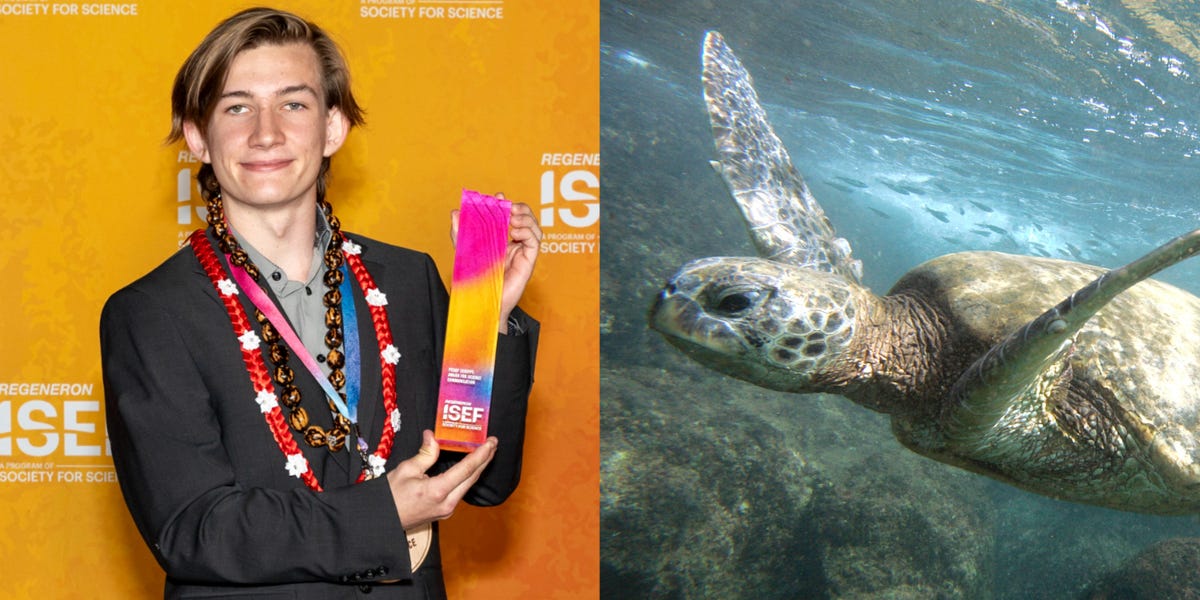
An 18-year-old high school student won $10,000 for his research on the spread of fibropapillomatosis (FP) in green sea turtles in Kāneʻohe Bay, Hawaii. His investigation linked the disease to invasive algae absorbing nitrogen-rich wastewater from cesspools, which then produces arginine, a trigger for FP. His findings highlight the urgent need to replace cesspools with proper wastewater treatment facilities to protect marine ecosystems.
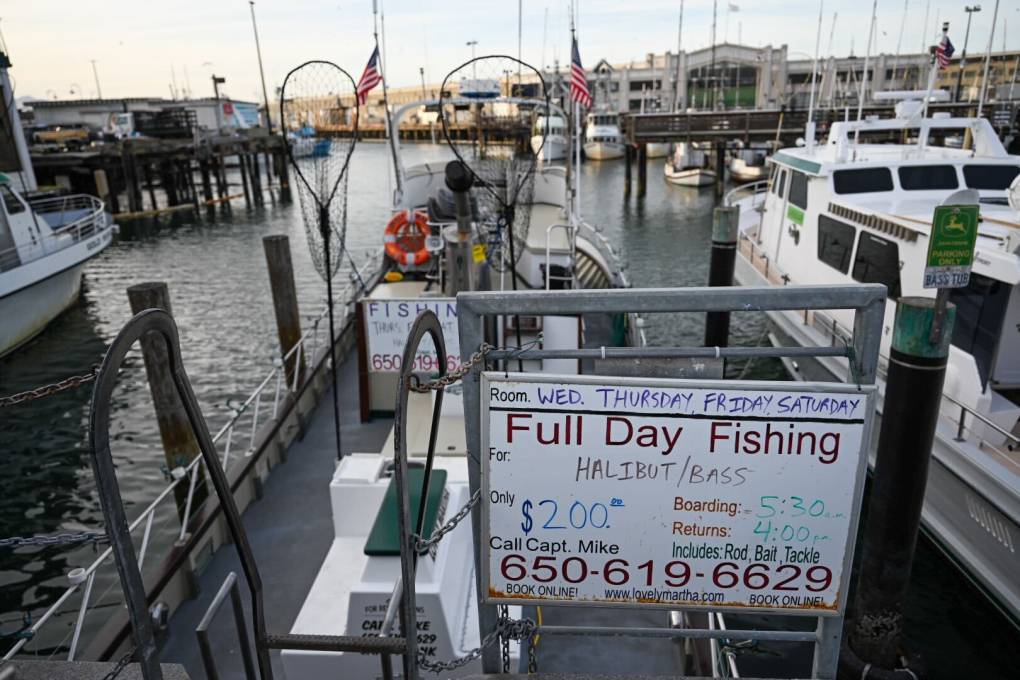
The Pacific Fishery Management Council has announced the closure of California's commercial salmon season for the second consecutive year due to a scarcity of Chinook salmon, stemming from the state's last drought. The closure impacts hundreds of commercial fishers and tribes, prompting concerns about the species' decline attributed to water management decisions, warming oceans, and other environmental factors. Efforts to restore salmon populations include tearing down dams, restoring river flows, and improving migration pathways, but critics argue that the pace of these initiatives is too slow and that water diversions could further threaten the salmon population.
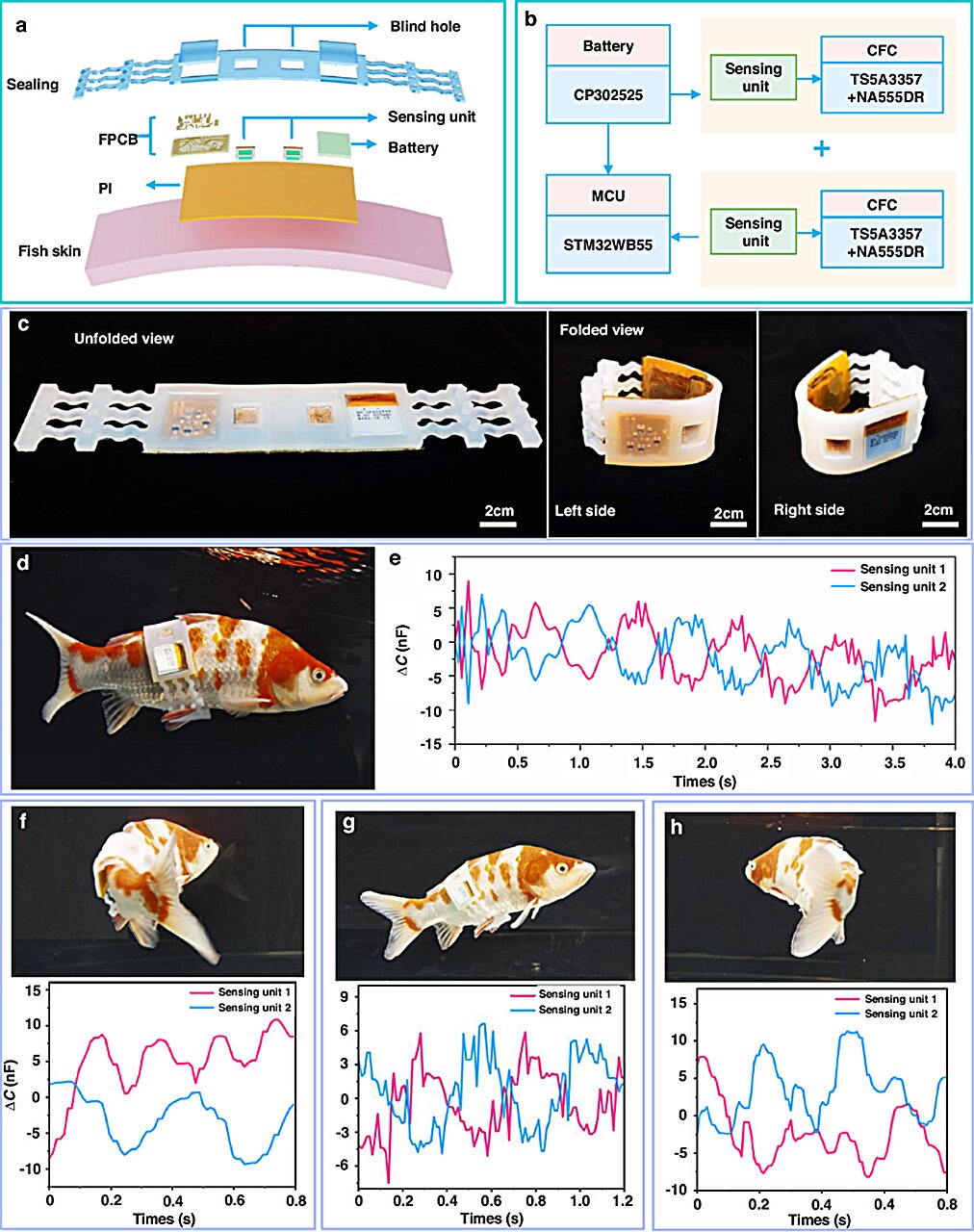
A research team has developed a groundbreaking "smart vest" for fish, equipped with advanced MXene hydrogel and pseudocapacitive pressure-sensing units, to capture disturbances in water flow caused by fish movements. This innovative technology provides unprecedented insights into fish behavior and ecological interactions, transcending the limitations of traditional observation methods and offering far-reaching implications for environmental conservation and aquatic ecosystem studies.
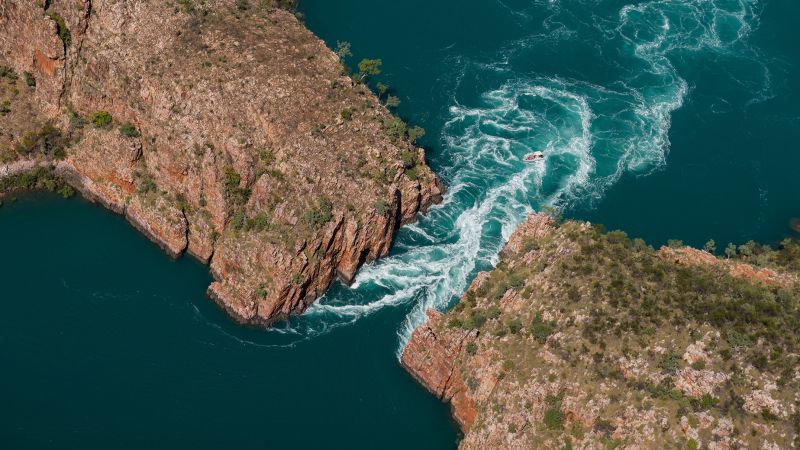
Boat tours through Australia's Horizontal Falls, a sacred natural wonder, will be banned by 2028 out of respect for the area's Indigenous Traditional Owners and to address safety concerns following a boat accident. The ban has sparked mixed reactions, with the WA Tourism Council warning of job losses while the Dambeemangaddee people welcome the decision. The ban aims to restore the sanctity of the site, which holds cultural significance in Indigenous beliefs, and alternative culturally respectful programs and visitor management plans are being developed for tourists to continue experiencing the falls.