Utah County has confirmed its first human case of West Nile virus this season, with health officials urging residents to take mosquito-bite precautions and stay informed on local mosquito-control efforts.
Coroners warn that Vibrio vulnificus infections—sometimes leading to amputation or death—have appeared near Southeast Texas, with several Texas and nearby Louisiana cases this year. Infections can occur through open wounds exposed to warm coastal waters or by eating raw shellfish, with risk heightened in warmer months. Health officials urge caution: avoid coastal water if you have open wounds, cover and clean wounds, cook shellfish thoroughly, and seek immediate medical care if infection symptoms develop.
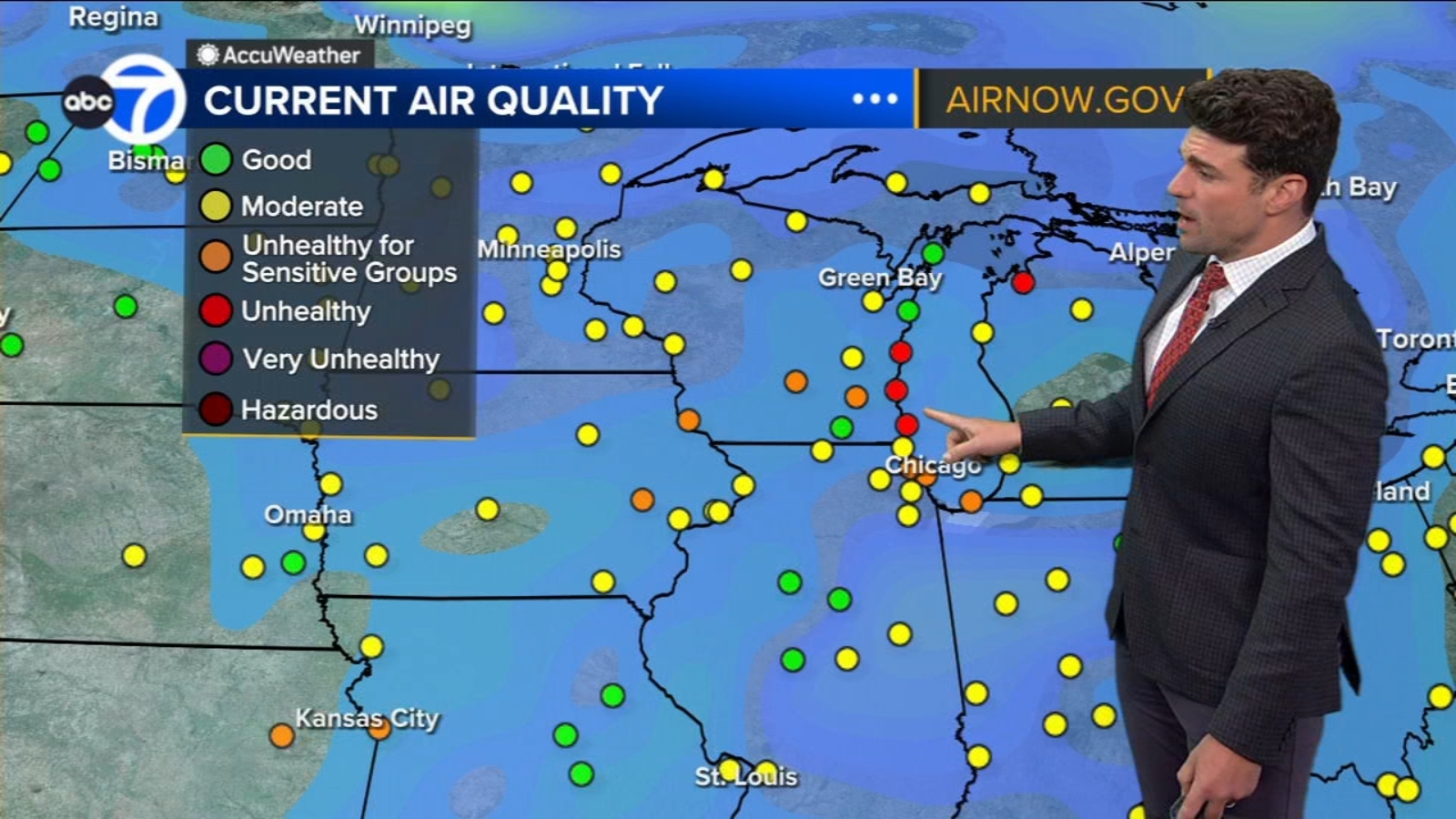
A second wave of wildfire smoke prompts an air quality alert across much of the Chicago area through the weekend, with Areawide Air Pollution Action Day in effect in Illinois and comparable advisories in Indiana; sensitive groups should limit outdoor activity and monitor conditions as pollutants rise, with forecasts suggesting smoke may spike Saturday evening into Sunday.
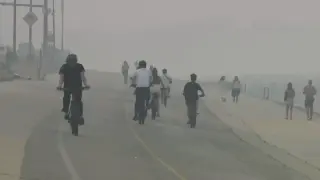
Canadian wildfire smoke has reached the Mid-Atlantic, degrading air quality in Maryland and prompting Code Red conditions. Experts advise reducing outdoor activity and taking precautions as the unhealthy air persists, with forecasts warning of continued poor air quality in the region.
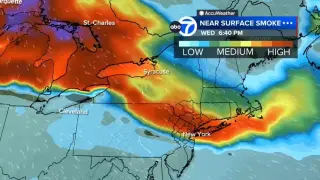
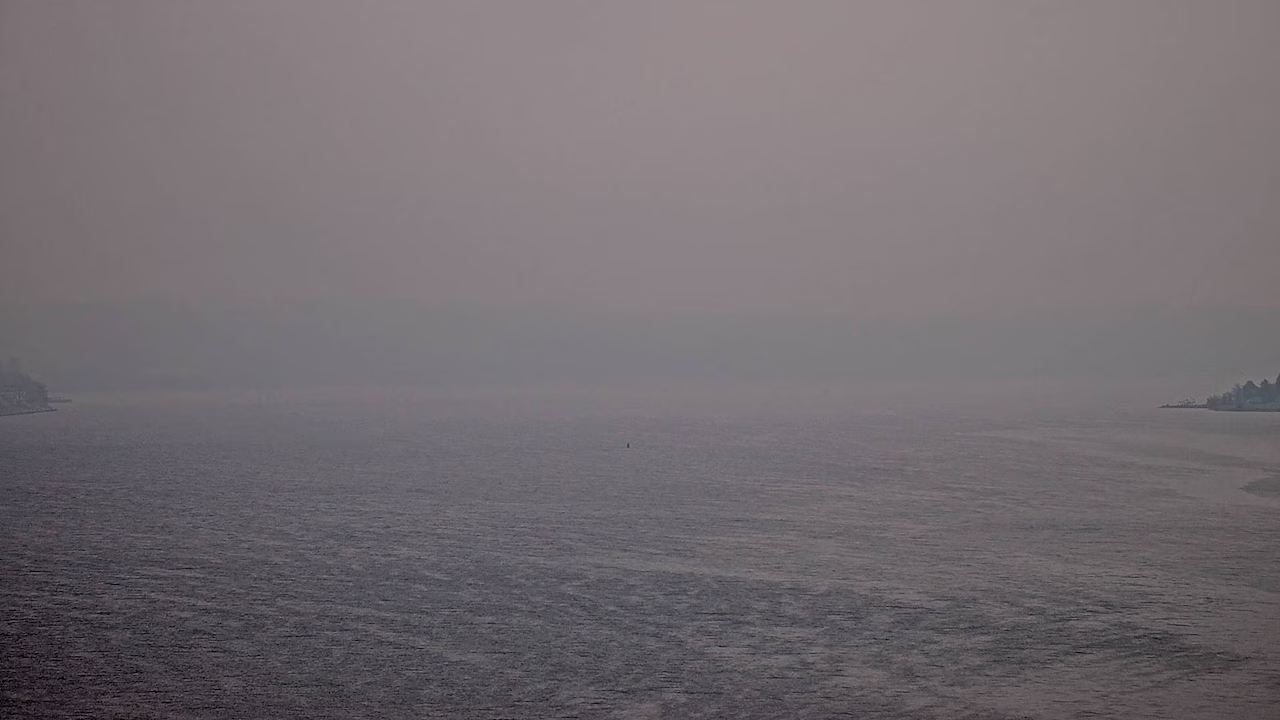
An air-quality advisory is in effect for New York State (including New York City) and parts of New Jersey due to smoke from hundreds of Canadian wildfires, with very heavy smoke possible by sunset. Residents are advised to limit outdoor activities, wear an N95 mask if outside, and keep indoor air clean with air purifiers or air conditioning; free KN95 masks are available at select public libraries and some firehouses as a precaution against smoke-related health issues.
A thick plume of wildfire smoke from Ontario and northern Minnesota has drifted into New England, triggering air quality alerts across the region. In Boston, the air quality index rose to about 130, deemed unhealthy for sensitive groups, with guidance to limit outdoor activity for those with asthma or COPD. Forecasters expect a second wave of smoke Thursday afternoon, bringing more ground-level haze and vivid sunsets as the smoky plume lingers.
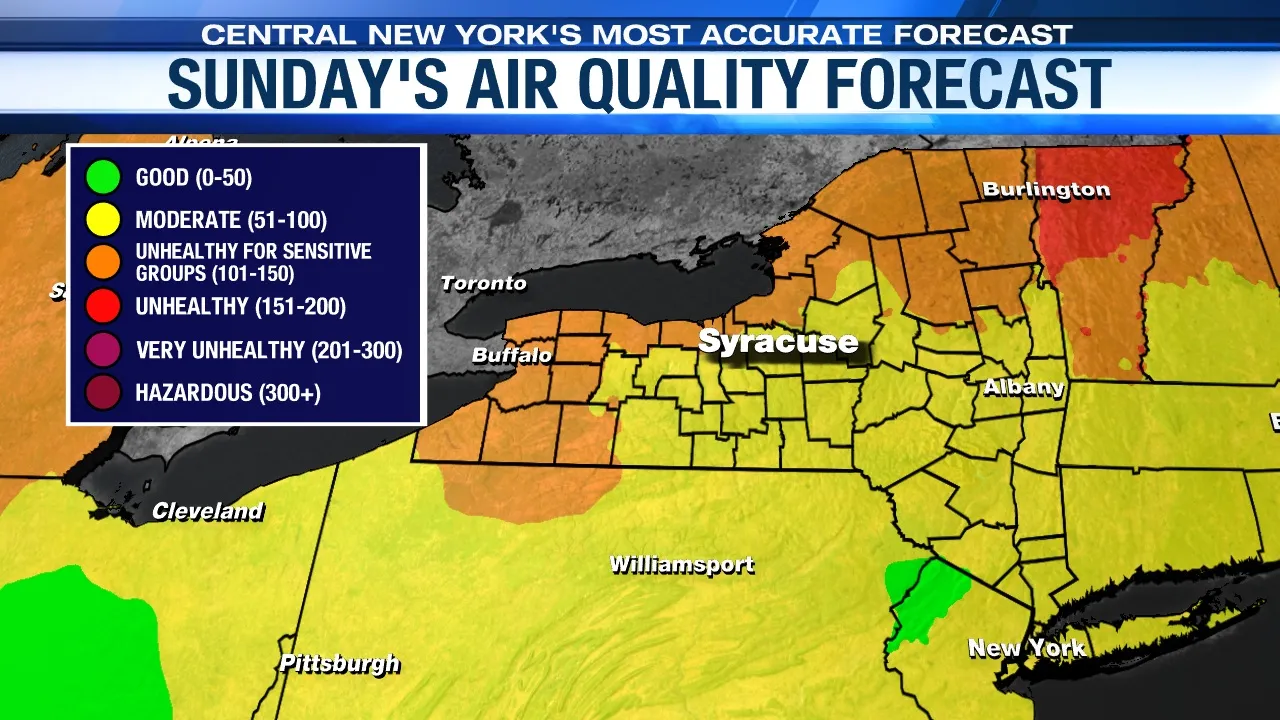
The NY DEC has issued a 24-hour air quality advisory for parts of New York due to smoke from Canadian wildfires, posing health risks especially for those with respiratory or heart issues.
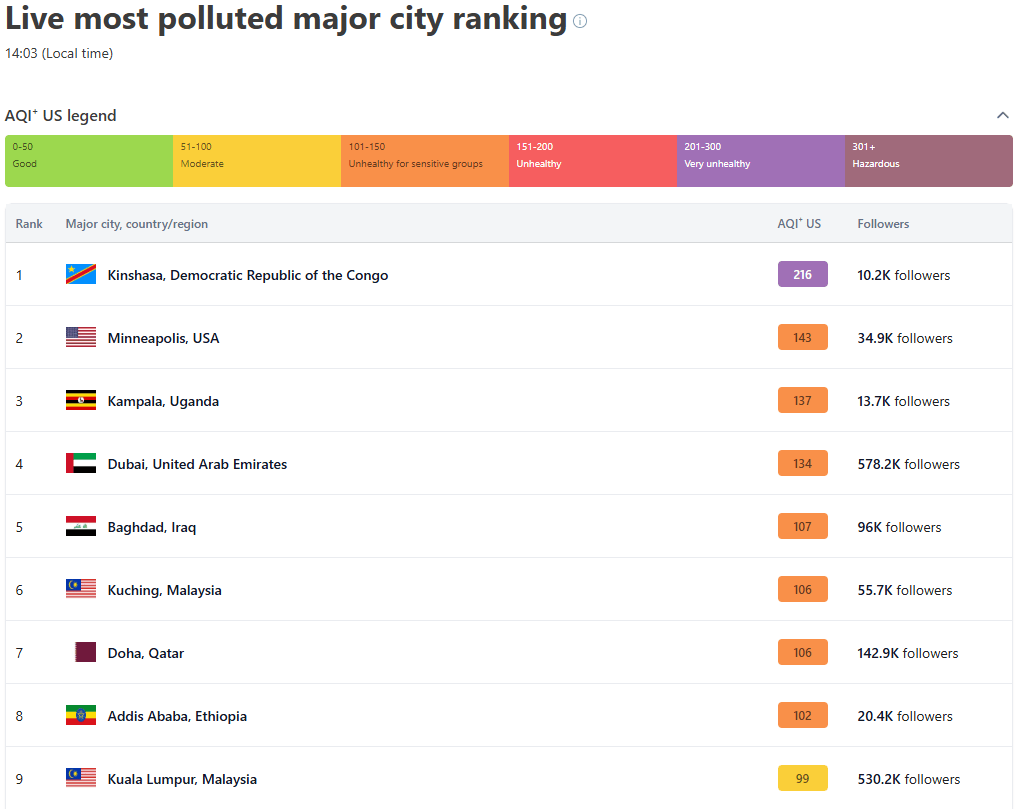
Parts of Minnesota are experiencing the worst air quality in the world due to Canadian wildfire smoke, with an air quality index exceeding 220 in some areas, prompting a statewide health alert until August 2nd. The smoke, transported by winds from wildfires in Canada, is expected to linger and worsen air quality, especially in northern and central Minnesota, affecting sensitive groups and the general public. Authorities advise limiting outdoor activities and staying informed about air quality updates.
A member of RFK Jr's new vaccine advisory panel withdrew after a conflict of interest review, highlighting concerns about transparency and ethics in the appointment process, as the department reviews disclosures and ethics compliance for new members.
The Chicago area is under an air quality alert until Thursday due to smoke from Canadian wildfires, with health warnings for vulnerable populations, as the region experiences unhealthy air conditions caused by ongoing wildfires in Canada.
Smoke from Canadian wildfires has led to an upgraded Air Quality Alert in Michigan, now classified as 'Unhealthy' for all individuals across the Upper Peninsula and parts of northwest Lower Michigan, prompting health precautions due to small particulate matter that can affect breathing.
An extended air quality alert is in effect across Minnesota until Wednesday due to smoke from Canadian wildfires, with conditions ranging from unhealthy to hazardous, prompting health precautions and expected improvement as a cold front and westerly winds help clear the smoke.
A gastrointestinal illness outbreak is affecting dozens in Putnam County, New York, with symptoms including nausea, vomiting, and diarrhea. The Putnam County Health Department is investigating the outbreak, which is linked to multiple events in the area. Residents are advised to stay home if sick, practice good hygiene, and avoid handling food for 48 hours after symptoms subside. Emergency Medical Services have been alerted to take extra precautions. The illness is part of a wider trend in the Hudson Valley and New York State.
The NWT health authority has issued guidance on what to do if you suspect exposure to bird flu, particularly the H5N1 strain currently affecting Canadian wildlife and livestock. Human infection is rare but possible, typically through handling infected animals without protection. Symptoms resemble those of seasonal flu and can progress rapidly, so early treatment is crucial. If exposed to sick or dead birds, contact a healthcare provider, and keep pets away from such birds. For health advice, residents can call 811.
The Southern Nevada Health District has reported an increase in norovirus cases in the Las Vegas Valley, detected through community wastewater. Norovirus, often called the "stomach flu," is a leading cause of vomiting and diarrhea in the U.S. and typically sees a rise in cases from November to April. The virus spreads easily through direct contact, contaminated food, or surfaces, and can be contagious for weeks after symptoms resolve. Health officials urge residents to take precautions, especially during the holiday season, and recommend updated flu and COVID-19 vaccinations.