fitness4.895 min read
Why You Should Ride Both Indoors and Outdoors for Full-Body Fitness
29 days ago•Source: Women's Health

The latest fitness stories, each synthesized from multiple sources with added background and context.
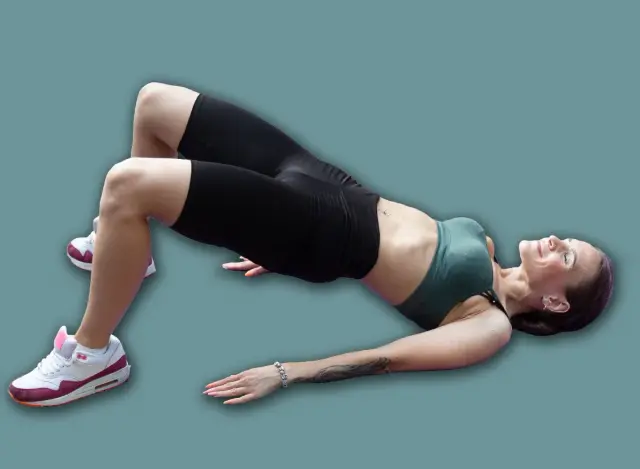
After age 55, aiming to hold a glute bridge for 30–60 seconds is a solid marker of glute and trunk endurance; surpassing 60 seconds signals excellent muscular endurance and hip stability. Younger adults average about 60–100 seconds, but targets should be adjusted for aging with emphasis on form and progressive overload rather than chasing a specific number. The bridge is an isometric anti-extension move that stabilizes the pelvis and spine, supporting everyday tasks like standing from a chair and climbing stairs.
Tom's Guide•1 month ago
Woman & Home•1 month ago

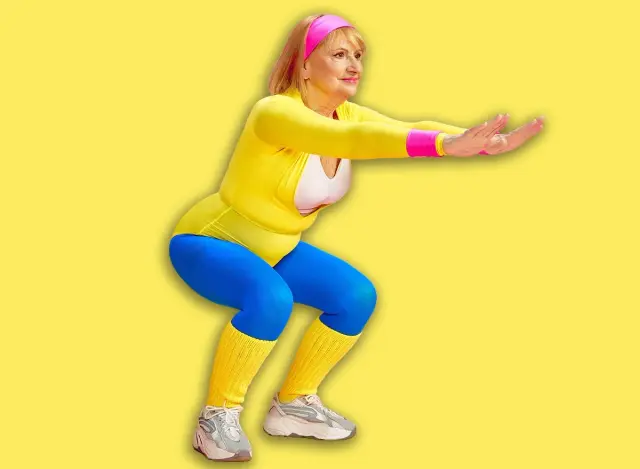
A geriatric kinesiologist recommends five standing bodyweight exercises for adults over 60 to maintain strength, balance, and bone health: squats/sit-to-stand, wall sits, heel raises with varying stances, single-leg weight shifts, and tandem stance mini-squats. No equipment is required at first, with progressions (e.g., chair behind you, safe supports) to increase challenge as strength improves, helping combat sarcopenia and reduce fall risk.

Experts explain that progress happens fastest for beginners in the first 2–3 weeks as the body adapts, but gains slow over time; to keep improving, athletes should use 12–16 week training blocks with varied stimuli (new exercises, rep schemes, or different equipment), push to near failure, and include periodic deload weeks; while strength and speed progress at different rates, a long-range, consistent plan is key to steady results.
A fitness expert recommends a simple three-move circuit for people over 40 to preserve strength and mobility: deep squat, seated overhead press, and fast step-up. Perform 3 rounds of each exercise (10–12 reps for the squat and press; 20–30 seconds per side for the step-up), with 45–60 seconds of rest between rounds. This routine targets hip and ankle mobility, shoulder health, and lower-body power to help prevent falls and maintain independence as we age.
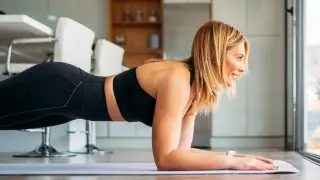
An expert who works with seniors recommends five beginner-friendly bodyweight moves—plank, push-ups, wall sits, crunches, and supported single-leg deadlifts—to safely build functional strength, mobility, and balance for people over 60, with guidance on starting modifications and progressive overload to support bone health and reduce fall risk.
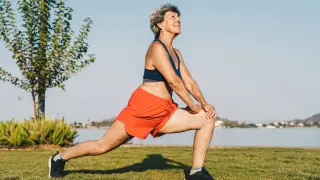
A physical therapist identifies the mobility losses that tend to appear first with aging (such as floor transfers, leg-strength demands, eccentric control, neck rotation, hip mobility, and balance) and prescribes a five‑move routine you can do a couple of times per week: seated thoracic twist, sit‑to‑stand, standing hip flexor stretch, supported standing child’s pose, and shoulder squeezes to help maintain independence as you age.
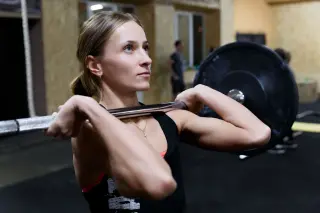
GLP-1 weight‑loss drugs are reshaping fitness priorities: Life Time’s survey finds 42.3% name getting physically stronger as their top health goal and 82% plan to focus on overall health, signaling a shift from aesthetics to longevity and daily function. Experts say strength training preserves lean muscle, bone health, and mobility as we age, making it foundational for independence. Trends emphasize consistent 2–4 weekly strength sessions plus mobility work, sleep and recovery, and the use of wearables/AI to track progress. The goal is sustainable, functional fitness that lasts a lifetime.

A four-move, no-jumps/no-floor strength routine for women over 60 targets legs, glutes, back, and shoulders. Do each move for 10–12 reps, in 2 sets, twice a week with 45–60 seconds rest; stand-alone sessions take 15–20 minutes. Progression ideas include adding a third set after a month and increasing load or tempo after two months. Benefits cited include easier daily tasks, steadier balance, reduced age-related weakness, and continued independence, with results noted over 6–12 weeks and beyond.
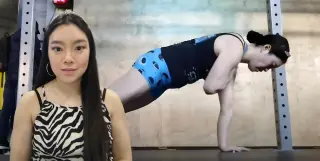
A writer tried doing 50 shoulder taps every day for 31 days to boost core stability and shoulder control. Guided by an expert, she emphasizes strict plank form and controlled taps, reporting improved trunk stability and anti-rotational control, with less torso wobble over time. She didn’t notice meaningful gains in her usual workouts, but the challenge highlighted a weak core and suggested keeping shoulder taps as a warm-up activation drill, while pursuing other core moves (weighted lying leg raises, GHD sit-ups) for progression. The piece also notes that push-ups and shoulder taps serve different goals and can be combined for power and control.
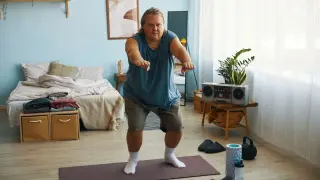
A fitness trainer argues that beginners should master three foundational moves—squats, lunges and planks—before adding load, focusing on proper form: squat with weight in the heels and chest up, lunge with knees at 90 degrees and controlled step, and a high plank with hips level and core engaged; these basics appear in most sessions, with typical guidance of 1–3 sets of 10 reps for squats and lunges and a 30-second plank.

A personal trainer asserts that visible chest gains are realistic in 12 weeks with a simple plan: use progressive overload, train chest twice a week with a pressing and a fly variation per session, perform 3 sets of 6–12 reps to near failure, rest 2–3 minutes between sets, and follow a protein-forward diet with a slight calorie surplus (about 1 g protein per lb bodyweight, fats ~25% of protein, carbs to reach modest surplus). Start lean if possible to maximize definition, and be prepared for interruptions or setbacks—consistency and recovery are key to steady progress.