Dirt DNA reshapes the story of human origins
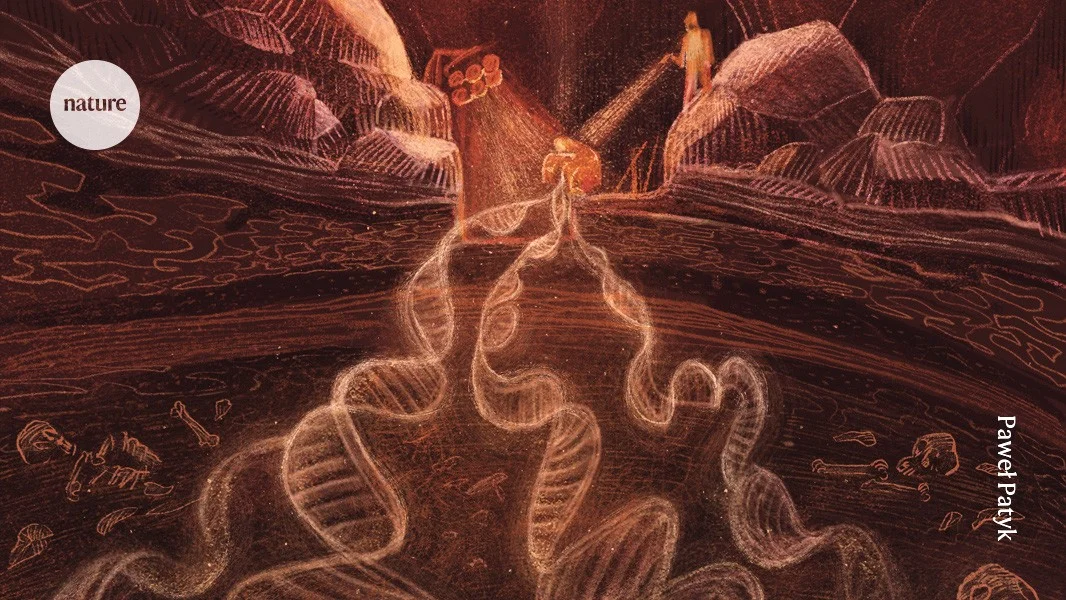
Sedimentary DNA—DNA preserved in soils and sediments—is revolutionizing how we study human origins, enabling detection of Neanderthal, Denisovan, and early Homo DNA even where bones aren’t found. Since the 2017 breakthrough identifying ancient human DNA in ice-age soils, researchers have used targeted probes to enrich nuclear DNA and shotgun methods to extract DNA from cave sediments, pushing back timelines at sites like Denisova Cave and Baishiya Karst Cave. While mtDNA remains easier to recover and informative about lineages, nuclear DNA offers deeper population history but is rare and data-limited, requiring careful analysis to avoid contamination. Overall, dirt could complement or even replace some fossil work, opening a vast “blue ocean” of information about our past.