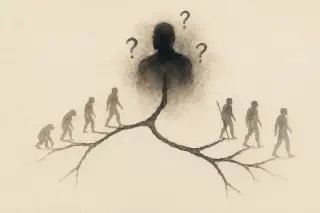
New genomic analyses of Denisovan DNA suggest they carried genetic material from an unknown archaic human lineage that lived about 1.8 million years ago, adding complexity to the story of early human evolution.
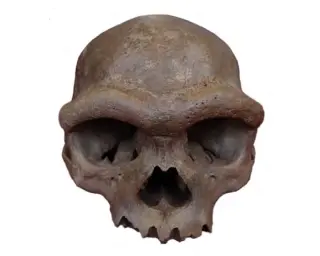
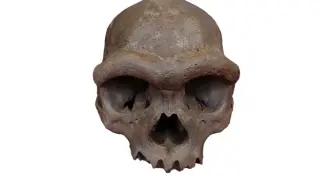
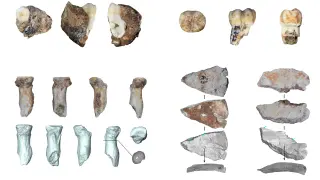
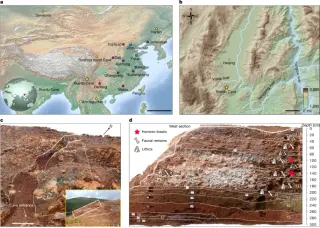
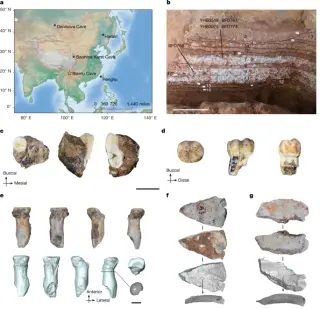
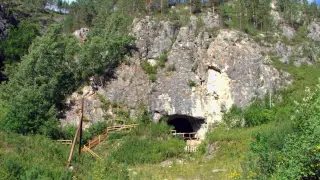
Archaeologists in Yunnan’s Bianfu Cave have unearthed Denisovan remains—teeth, an arm bone and skull fragments—dating to 167,000–134,000 years ago, along with bone and stone tools and pollen and animal remains. The find marks Bianfu as a major Denisovan site in subtropical Asia, suggesting these ancient humans inhabited forested regions, hunted large prey, and used expedient technologies. DNA preservation was poor, but protein variants and fossil morphology confirm Denisovan identity, expanding their known range beyond Siberia and the Tibetan Plateau and offering new insights into their lifestyle and environment.
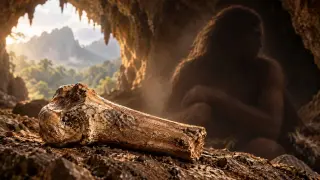
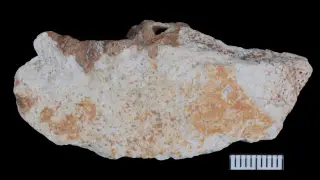
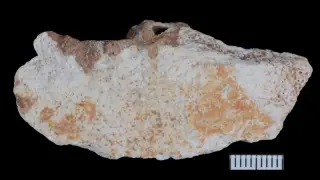
A 4.5 cm Denisovan forearm bone (radius) from Bianfu Cave in China shows a rare mix of Neanderthal-like joint surfaces and modern-human-like bone shape, filling a major anatomical gap in reconstructing the Denisovan arm and, alongside recent leg-bone findings suggesting extreme height, sheds light on what this elusive lineage looked like.
Archaeologists in Yunnan, China, uncovered seven Denisovan fossils at Bianfu Cave, including two skull fragments, four teeth and a partial arm bone, found with bone- and stone-tools and fossil pollen and animal remains dating 167,000 to 134,000 years ago. The find provides the first direct Denisovan context in southern China, suggesting the group occupied diverse forests and hunted large prey. No ancient DNA was preserved, but protein analysis confirmed Denisovan identity for several bones and teeth, and researchers plan sediment DNA testing to better map their past range across Asia.
Archaeologists in Yunnan, China, report Denisovans used the Bianfu Cave for roughly 190,000 to 70,000 years, with five fossils dated to 134,000–167,000 years ago, including two teeth and three bone fragments identified as Denisovan via ZooMS proteomics (the radius fragment is the only Denisovan radius found to date). The site yielded about 1,400 stone artifacts, hundreds of animal bones, and bone tools, indicating Denisovans hunted large game in a forested eastern Asia landscape and used bone tools, revealing new details about their biology and culture.
New fossils from Bianfu Cave in Yunnan (~167–134 ka) and a long cultural sequence (190–70 ka) extend the Denisovan record in eastern Asia. Enamel–dentine junction morphology and palaeoproteomics identify the remains as Denisovan; faunal and pollen data indicate a conifer-dominated forest environment. Inhabitants hunted medium- to large-bodied prey and used expedient core-reduction with extensive use of unmodified bones, signaling an adaptive focus on object affordance over intensive tool production. The site provides crucial insights into Denisovan biology, behavior and ecology and suggests a substantial genetic and cultural legacy in later Southeast Asia and Oceania.
A large-scale screening of over 60,000 bone fragments from Bianfu Cave in western Yunnan used ZooMS and proteomics to identify three Denisovan bones (two parietals and a proximal radius) and two Denisovan teeth, dating to about 167–134 thousand years ago. This makes Bianfu Cave a Denisovan locality with the most abundant remains outside Denisova Cave and provides new postcranial data, refining our understanding of Denisovan distribution, morphology, and adaptive biology.
A trove of Denisovan bones and bone tools from Bianfu Cave in Yunnan shows these ancient humans inhabited the site for between about 167,000 and 134,000 years ago, crafted bone tools similar to Neanderthals, and hunted deer, providing the clearest, longest record yet of Denisovan behavior and suggesting closer contact with modern humans in southern China and beyond.
Archaeologists in Bianfu Cave, Yunnan, China recovered Denisovan fossils (four teeth, an arm bone fragment and two skull fragments) with bone and stone tools dating to 167,000–134,000 years ago, suggesting Denisovans inhabited diverse Asian environments and hunted large game. DNA preservation was poor, but protein (amino acid) analysis helped assign the remains to Denisovans, making this site one of the few to link fossils with cultural remains in a single location.
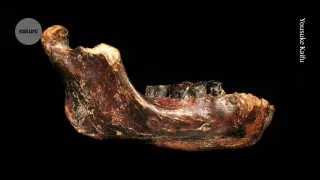
Two Nature papers from China report Denisovan remains at Bianfu Cave in Yunnan, dating roughly 167,000–134,000 years old with a long occupation record from about 190,000 to 70,000 years ago. Proteomic analysis links the fossils to Denisovans, while artifacts and environmental evidence suggest they lived in conifer forests and hunted with wooden and bone tools, showing Neanderthal-like sophistication. The finds broaden Denisovan geography in Asia and provide one of the longest, most continuous records of their biology, technology, and subsistence, reinforcing connections to Southeast Asian Denisovan ancestry.
A new computer-based approach called TRACE scanned genomes from 500 modern humans to reconstruct deep genealogies and uncovered two mysterious ancestral lineages: a relatively recent African ghost lineage that interbred with Homo sapiens in Africa over 50,000 years ago, contributing about 0.5%–1% of today’s DNA; and a much older “super-archaic” lineage that split around 1.8 million years ago and later entered the human gene pool through Denisovans in Eurasia, leaving traces in some modern genomes and showing that our ancestry includes hidden branches still influencing us today.
Two Denisovan leg bones dredged from the Penghu Channel in Taiwan were assigned to Denisovans via ancient proteomes, and initial estimates suggest they were tall (about 1.8–1.9 meters), but with no secure dating or geological provenance the species-wide height is uncertain and caution is advised in interpreting Denisovans as taller than other ancient humans.
Archaeologists at Lingjing, China, uncovered 146,000-year-old disc-shaped stone cores that show advanced knapping and 3D understanding of stone properties, linked to Homo juluensis and suggesting Denisovan-related interactions. This extends East Asia’s ice-age tech by about 20,000 years and challenges the idea that complex lithic technology arose later in Africa/Europe, with dating refined using uranium-thorium dating of calcite within a bone.
Proteomic analysis of two Denisovan leg bones (Penghu 2 and Penghu 3) from the Penghu Channel near Taiwan suggests some Denisovans were among the Ice Age’s giants, with Penghu 2 around 176–179 cm (≈83 kg) and Penghu 3 potentially up to ~189–190 cm (≈91 kg). Placed in the Denisovan lineage via collagen proteins, these bones reveal a mix of archaic and modern features and imply a diverse, widespread population across Asia, possibly with different hunting adaptations and interbreeding with modern humans. DNA wasn’t recoverable, so proteins provided the link; the findings complement prior genetic work (e.g., Harbin skull, Penghu 1) and highlight Denisovans as a more varied lineage than once thought.
A TRACE-based analysis of 503 genomes found about 0.5–1.1% of human DNA from a mysterious, unsequenced archaic lineage—present across populations including Africans and Oceanians—suggesting ancient interbreeding beyond Neanderthals and Denisovans, though the exact identity of this ghost lineage remains unknown.