Tag

Hypotension

All articles tagged with #hypotension

When Is Low Blood Pressure Dangerous for Women? Key Signs and Home Steps
health1 month ago

When Is Low Blood Pressure Dangerous for Women? Key Signs and Home Steps

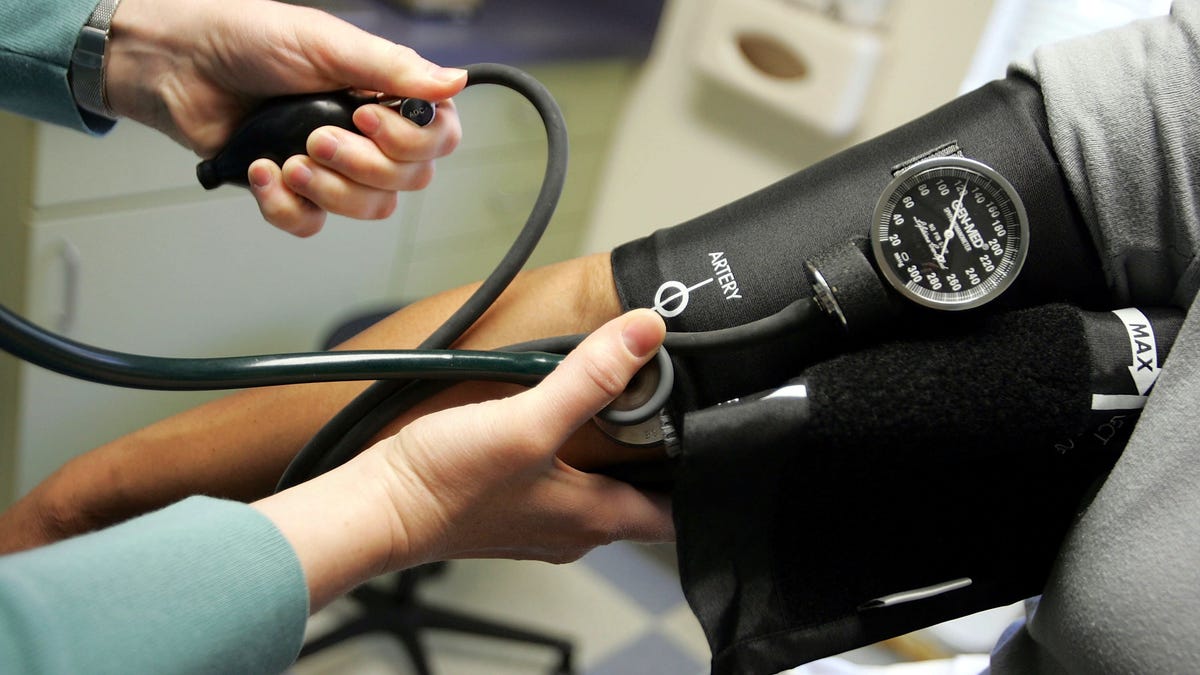
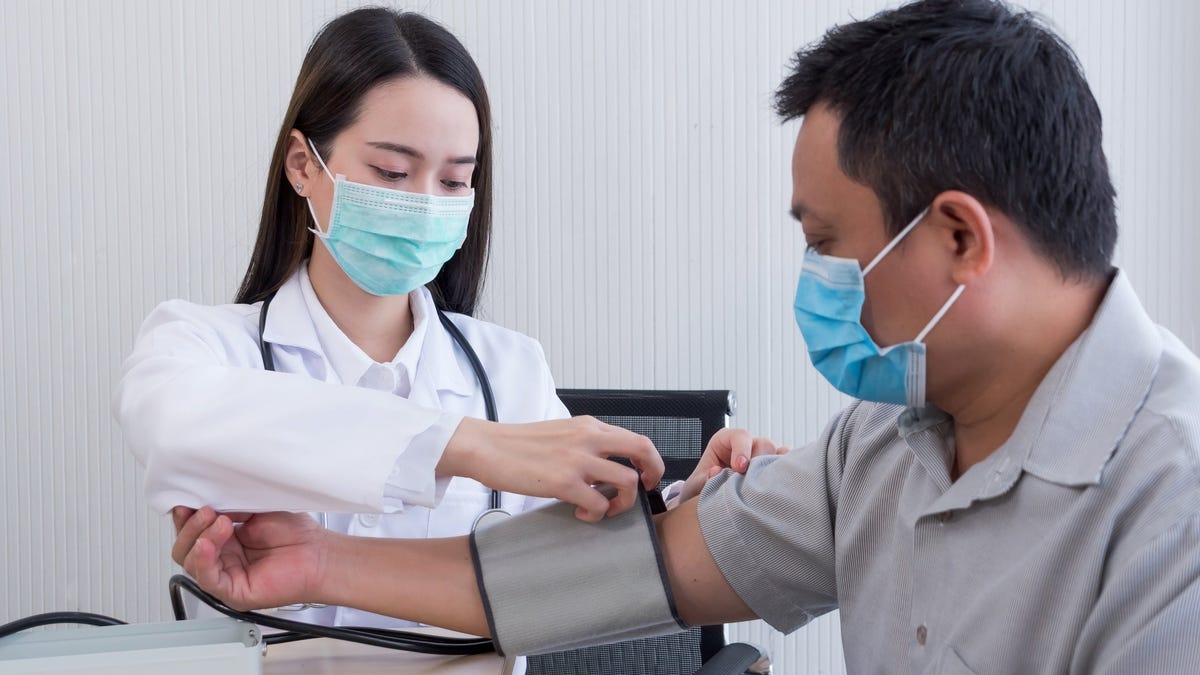
A reading below 90/60 mmHg is generally considered low, but symptoms matter. Orthostatic hypotension—dizziness upon standing—affects more women, especially with age. Dangerous drops can come from dehydration, bleeding, infection, allergic reactions, or meds and may lead to shock if untreated. For mild cases, manage at home with adequate fluids, slower rises to a standing position, compression stockings, and reviewing medications. Seek urgent care if dizziness is severe, accompanied by sweating, rapid pulse, confusion, or loss of consciousness. Regular home monitoring and sharing readings with your doctor help determine underlying causes and appropriate treatment.
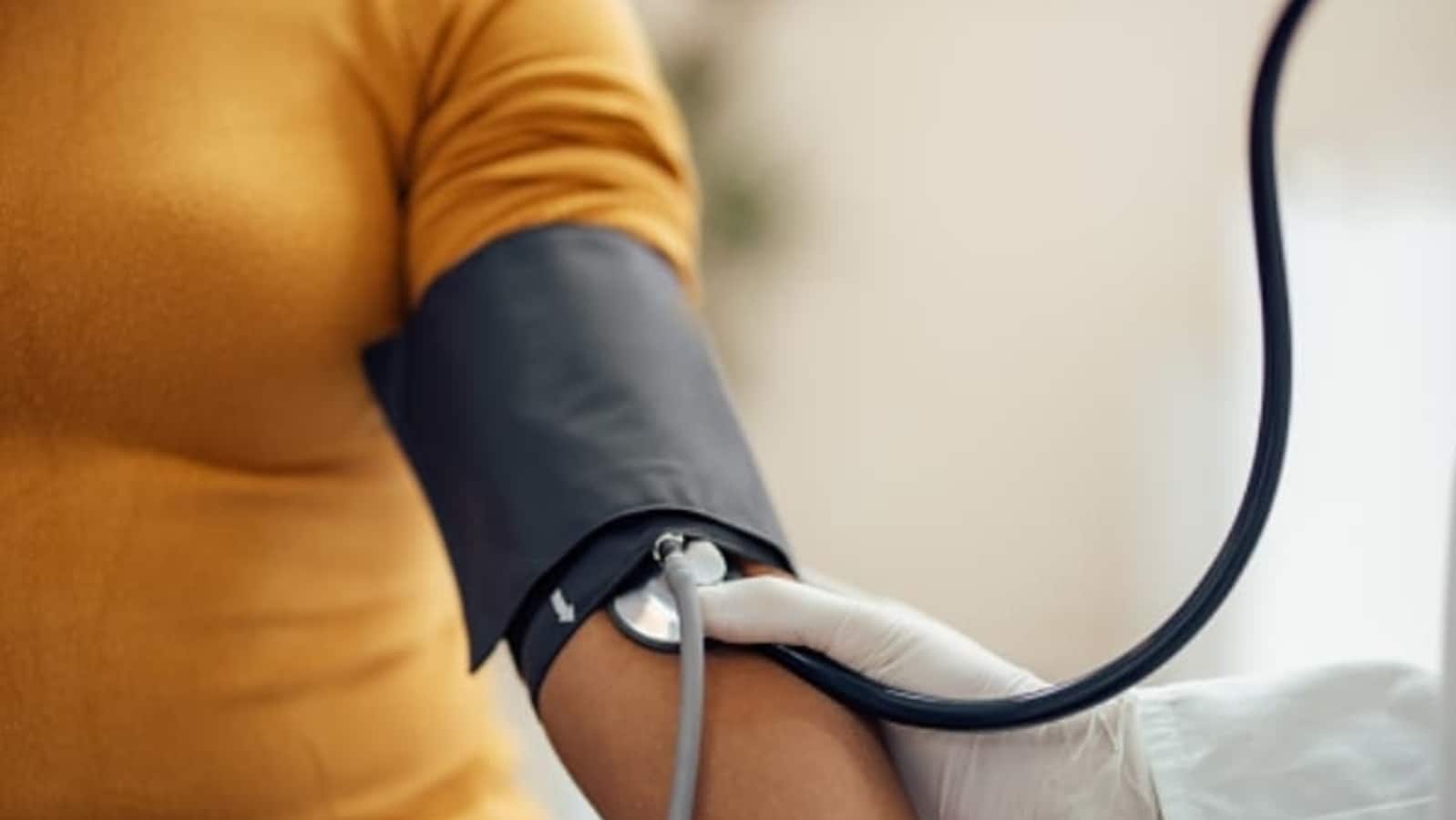
Effective Home Remedies and Diet Tips to Manage Blood Pressure
health2 years ago

Effective Home Remedies and Diet Tips to Manage Blood Pressure

Low blood pressure, or hypotension, can be managed with various home remedies. These include adding a little more salt to your diet, staying hydrated, elevating your legs, drinking coffee in moderation, practicing yoga and deep breathing exercises, consuming beetroot juice and basil tea, using aromatherapy with rosemary essential oil, exercising regularly with medical consultation, having small and frequent meals, and ensuring an adequate amount of sleep. However, it is important to consult with a healthcare professional, especially for individuals with underlying health conditions.

"Managing Low Blood Pressure: Signs, Complications, and Natural Solutions"
health2 years ago

"Managing Low Blood Pressure: Signs, Complications, and Natural Solutions"

Low blood pressure, or hypotension, can cause various complications if not managed properly. Signs of low blood pressure include dizziness, fatigue, fainting, rapid or shallow breathing, and cold and clammy skin. Complications may include organ damage, falls and injuries, shock, reduced cognitive function, and complications during surgery or medical procedures. Managing low blood pressure involves identifying and addressing underlying causes, making lifestyle changes, taking prescribed medications, treating underlying medical conditions, and regular monitoring and follow-up with a healthcare professional.

Understanding Age-Related Blood Pressure Norms
health3 years ago

Understanding Age-Related Blood Pressure Norms

Blood pressure can change with age due to factors such as family history, medications, and conditions like kidney disease or sleep apnea. As we get older, our arteries become stiffer and less elastic, requiring the heart to pump harder to push blood through. Additionally, heart muscle tissue may thicken, reducing the volume of blood the heart can hold. For individuals aged 65 or older, the recommended blood pressure level is 130/80. Children and teens generally have lower blood pressure due to their smaller size and greater organ elasticity. Regular blood pressure checks are important to determine the appropriate levels for each individual.

Understanding and Managing Blood Pressure: Risks and Solutions
health3 years ago

Understanding and Managing Blood Pressure: Risks and Solutions

While high blood pressure is a well-known health concern, low blood pressure or hypotension can also pose risks to one's health. Symptoms of low blood pressure include dizziness, fainting, and blurred vision, and in severe cases, can lead to shock. Causes of hypotension include dehydration, age, pregnancy, and certain medications. To manage low blood pressure, one can increase hydration, limit alcohol, eat small meals low in carbs, and avoid standing for long periods of time. It's important to consult a healthcare provider to determine if low blood pressure is normal for an individual or if medical intervention is necessary.