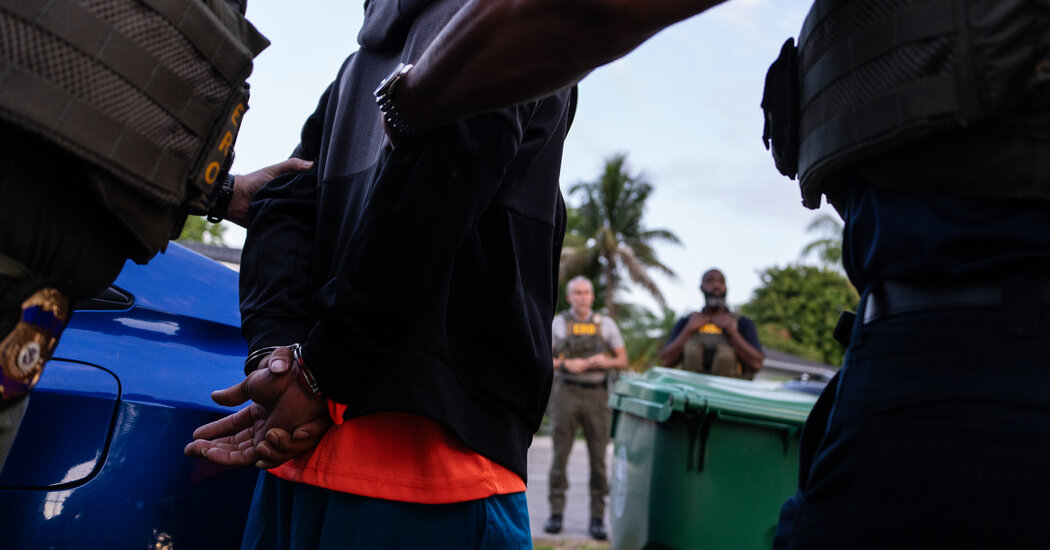
A federal appeals court rejected the Trump administration's bid to broaden mandatory no-bond detention for immigrants, curbing the administration's ability to detain more migrants while legal challenges proceed.
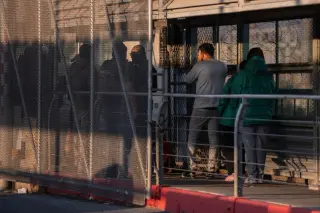
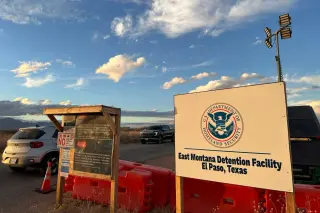
A GAO report on Camp East Montana—the largest ICE detention facility—finds a rushed, poorly managed project that wasted millions and endangered detainees: a contractor with no detention experience was chosen for a $1.3 billion deal after Army delays, leading to millions in waste for guards, medical services, transport and meals before detainees arrived, and ongoing costs paid even as detainee counts fluctuated far below maximum. The facility failed ICE detention standards, with missing perimeter cameras, accessibility gaps, inadequate recreation and legal resources, and sanitation/health shortcomings. Investigations into detainee deaths were hampered by missing evidence, while officials warn of broader systemic mismanagement and call for reform; Sen. Durbin called the findings damning.
AP photographers document a clash between protesters and ICE agents outside a New Jersey detention center, highlighting ongoing tensions around immigration enforcement in a photo gallery format.
The Trump administration picked newcomers to retrofit and run detention warehouses in Maryland and Arizona, signaling a shake-up in the industry long dominated by Geo Group and CoreCivic.
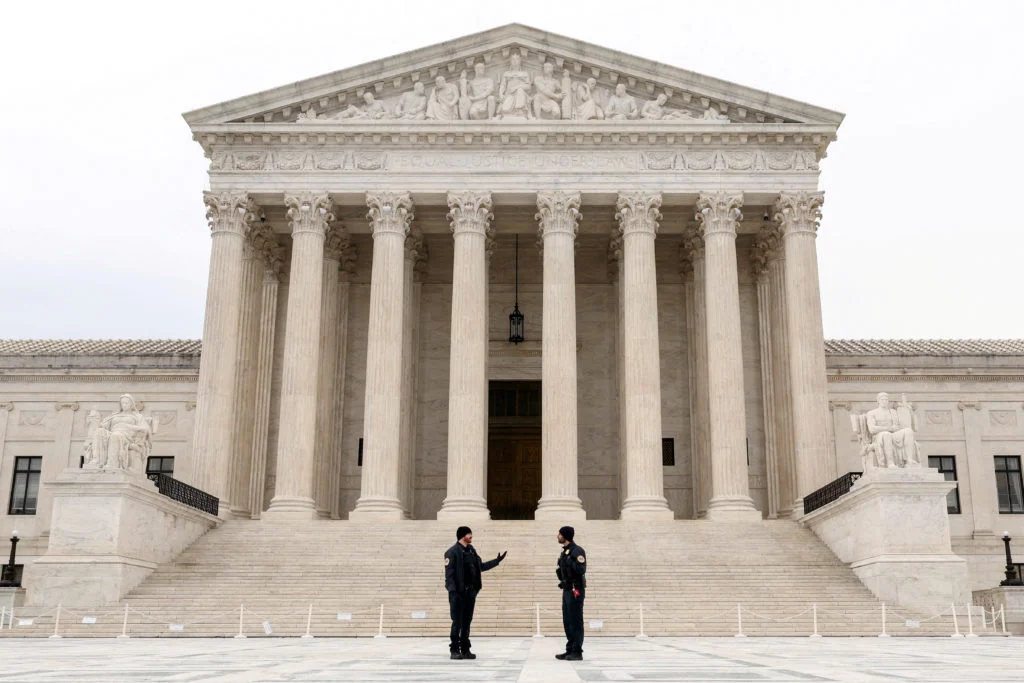
The Supreme Court unanimously declined to fast-track GEO Group's appeal in a 2014 suit alleging Colorado immigrant detainees were forced to work for about $1 a day; the ruling is procedural and not a final decision, with GEO arguing immunity as a government contractor as the case continues.
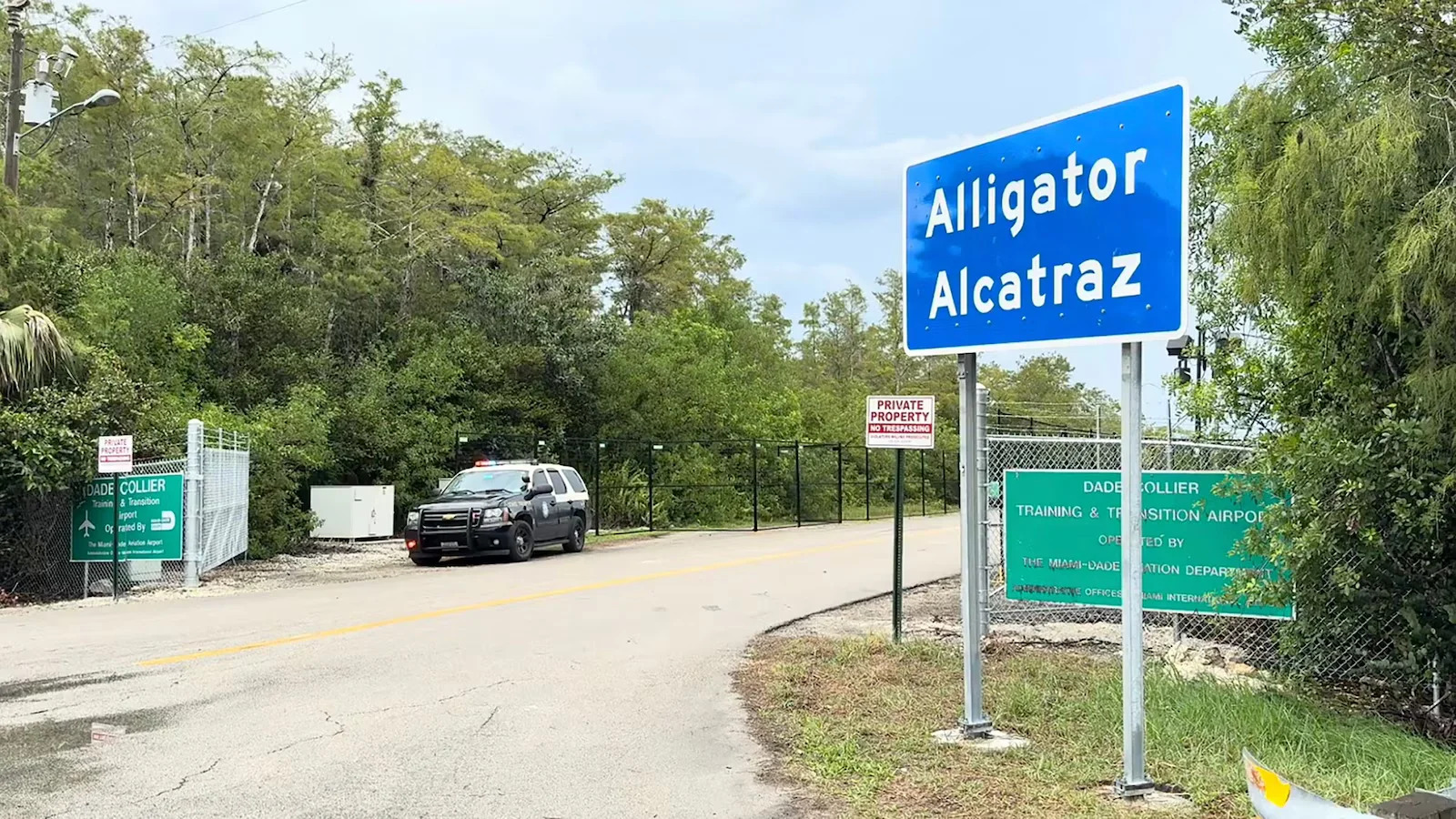
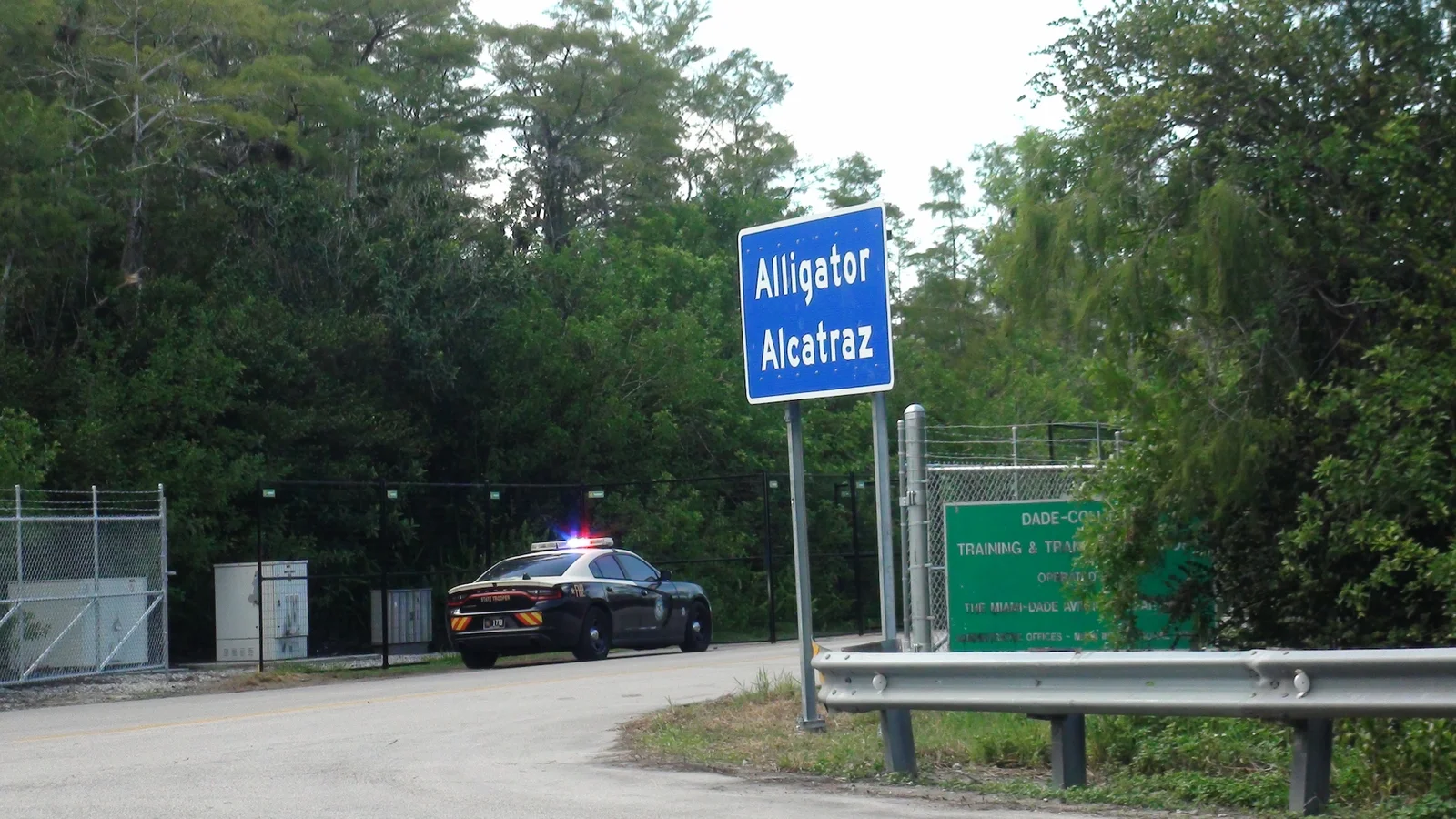
A U.S. appeals court allowed Florida to continue operating the controversial immigrant detention center known as Alligator Alcatraz, ruling that the facility is not federal and thus not subject to environmental law challenges, citing national security interests and the state's control over the site.
Louisiana's Angola Prison, known for its violent history and harsh conditions, is now being used to detain immigrants as part of a crackdown, raising concerns among critics about housing vulnerable populations in a maximum-security facility for violent offenders.
An uprising occurred at the controversial immigrant detention center known as 'Alligator Alcatraz' in Florida, with detainees reporting violence, mistreatment, and injuries amid reports of chaos and protests, though official sources deny these events. The facility is in the process of closing due to widespread condemnation and human rights concerns.
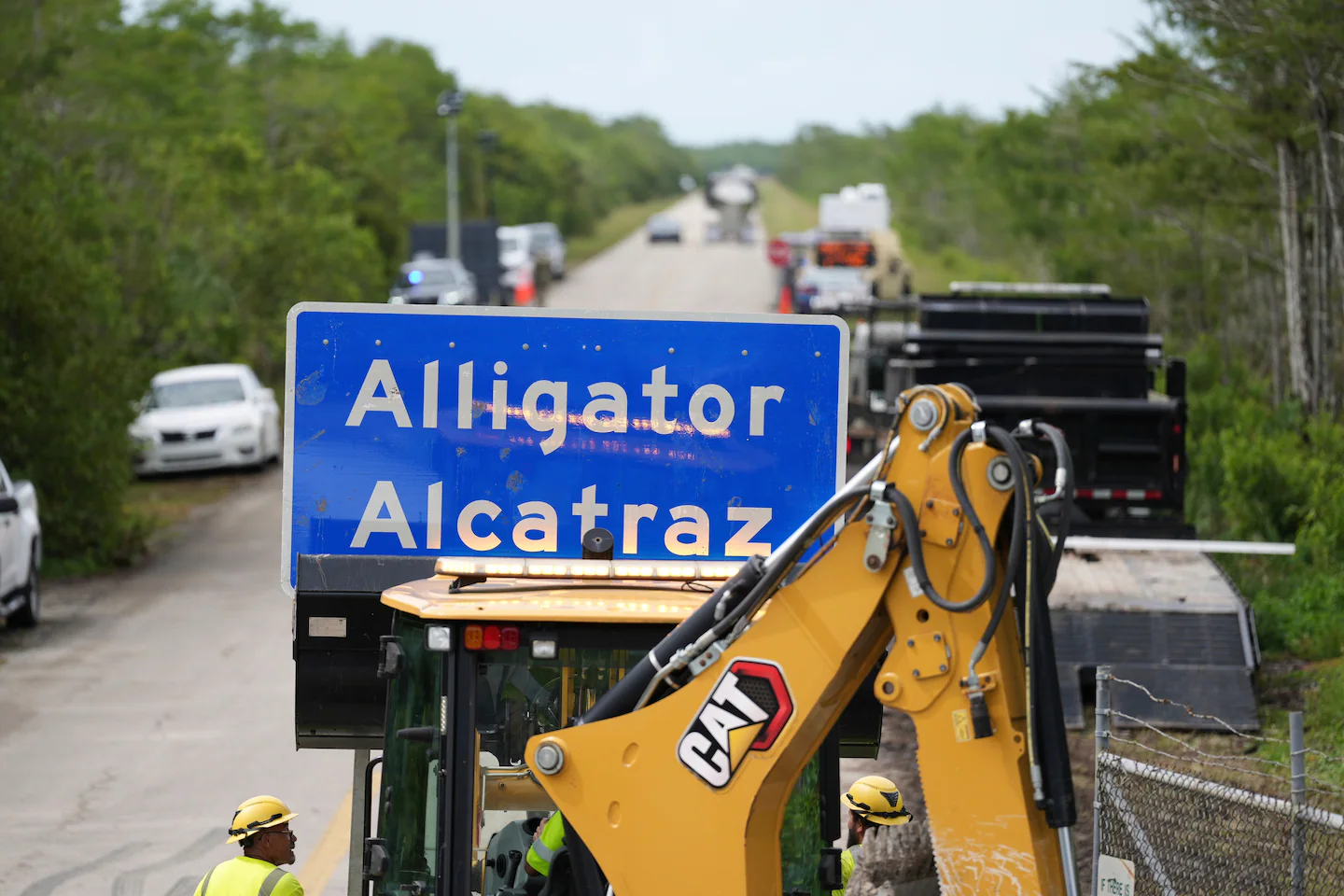
A federal judge ordered the shutdown of the controversial Alligator Alcatraz immigrant detention center in Florida due to environmental damage and legal violations, with existing detainees to be moved within 60 days. The order highlights concerns over habitat loss and inhumane conditions, while Florida officials plan to appeal, and DeSantis dismisses the ruling with a dismissive comment about continuing deportations.
A Human Rights Watch report exposes abusive and inhumane conditions at three Florida immigrant detention centers, including overcrowding, cruel treatment, and denial of basic needs, with detainees describing severe mistreatment and neglect.
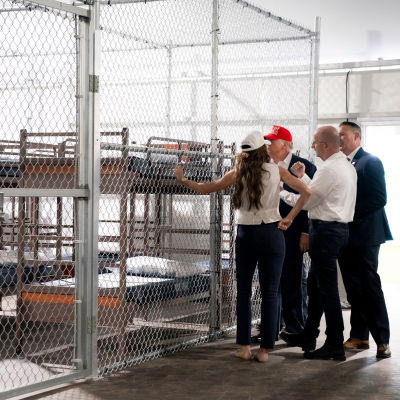
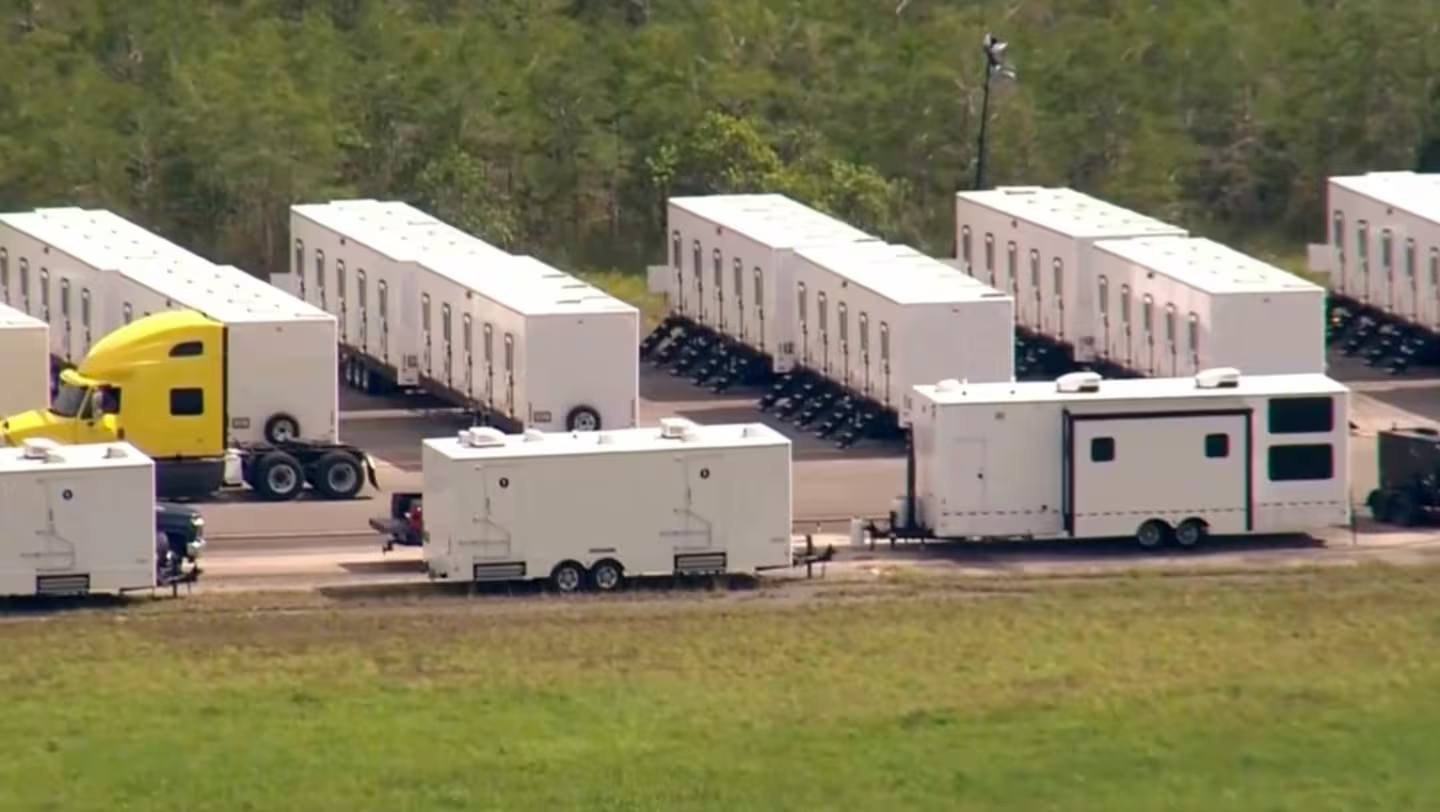
Lawmakers from Florida and Congress toured the Alligator Alcatraz immigrant detention center in the Everglades, where about 900 migrants are detained in tents and trailers, providing a rare glimpse into the facility operated by the DeSantis administration.
A hastily built detention camp in the Everglades faces risks from flooding, hurricanes, and mosquitoes, which pose greater threats to detainees and staff than alligators or pythons, with concerns over its safety and official approval.
FEMA funds, specifically through the Shelter and Services Program, are being used to support the construction and operation of an immigrant detention facility in Florida, dubbed 'Alligator Alcatraz,' which is intended to house up to 5,000 detainees before deportation, with the funding initially provided by the state of Florida and reimbursed by FEMA.
The article highlights severe overcrowding and inhumane conditions in U.S. immigration detention facilities amid record arrests, with reports of unsanitary conditions, lack of medical care, and multiple deaths, raising concerns about human rights and detention practices.
Two environmental groups have sued to stop the construction of the 'Alligator Alcatraz' immigrant detention center in the Everglades, alleging that the state ignored necessary ecological reviews before proceeding with plans to open the facility, which can hold up to 3,000 detainees.