Tag

Immune Regulation

All articles tagged with #immune regulation

Focused attention on bodily sensations dampens acute inflammation via brain–body pathways
science2 hours ago

Focused attention on bodily sensations dampens acute inflammation via brain–body pathways

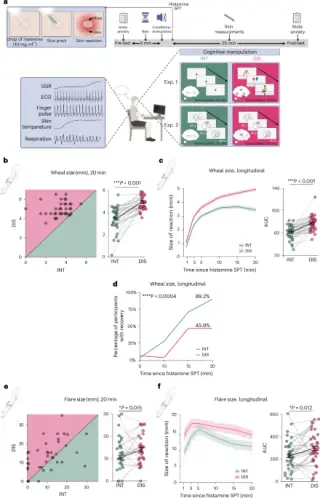
A three-study, pre-registered investigation using histamine skin-prick inflammation shows that directing attention inward to bodily sensations produces smaller, faster-resolving wheal and flare responses than focusing on external distractors. The effect is robust across participants (about 90% showing the pattern) and is linked to increased parasympathetic (vagal) activity, suggesting two mechanisms: sensory modulation of inflammation-related signals and a top-down autonomic pathway. Notably, reducing sensory input with lidocaine did not abolish the effect, indicating that purely top-down attention can sustain anti-inflammatory regulation. The findings integrate attention, perception, and immune control, with implications for mindfulness-based therapies, while acknowledging model limits and the need to test generalizability to other immune challenges.

Mitochondria and lysosomes reprogram immune cells to reduce inflammation
science9 months ago

Mitochondria and lysosomes reprogram immune cells to reduce inflammation

Scientists at St. Jude's Research Hospital discovered how mitochondria and lysosomes work together to activate and deactivate regulatory T cells, which are crucial for controlling inflammation and immune responses. Their findings reveal metabolic and organelle signaling pathways that influence T cell function, with potential implications for treating autoimmune diseases and enhancing cancer immunotherapy.

"Unlocking the Health Benefits of Intermittent Fasting: Insights from Recent Studies"
health2 years ago

"Unlocking the Health Benefits of Intermittent Fasting: Insights from Recent Studies"

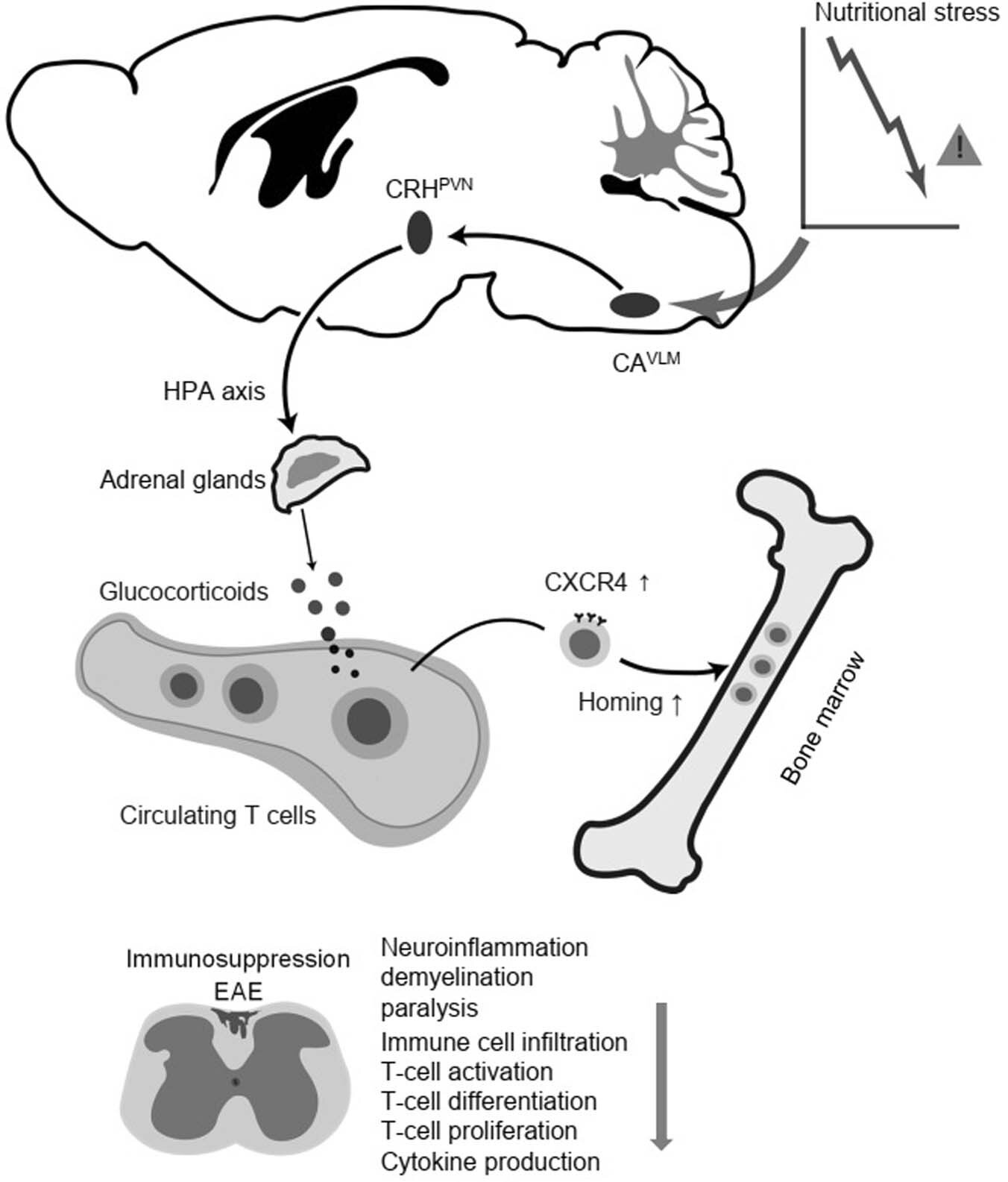
Researchers have identified a neural mechanism that may underlie the fasting-mediated regulation of the immune system, shedding light on the potential benefits of intermittent fasting. The study suggests that fasting activates specific neurons in the brain, which in turn influence the distribution and function of T-cells, leading to immunosuppressive effects and potential alleviation of autoimmune diseases. These findings could pave the way for future therapeutic interventions related to fasting for the prevention and treatment of autoimmune conditions.