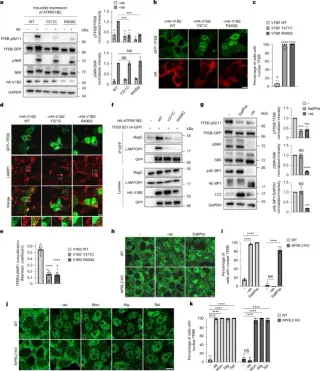
Researchers identified a nutrient-independent signaling axis involving TBK1 and ULK1 that regulates lysosomal function and TFEB activation, linking it to follicular lymphoma progression.
A new study reveals that the long-used UTI preventive drug OM-89 (Uro-Vaxom) strengthens bladder cells' lysosomal pathways to destroy hidden bacteria, potentially reducing recurrent infections and antibiotic resistance.
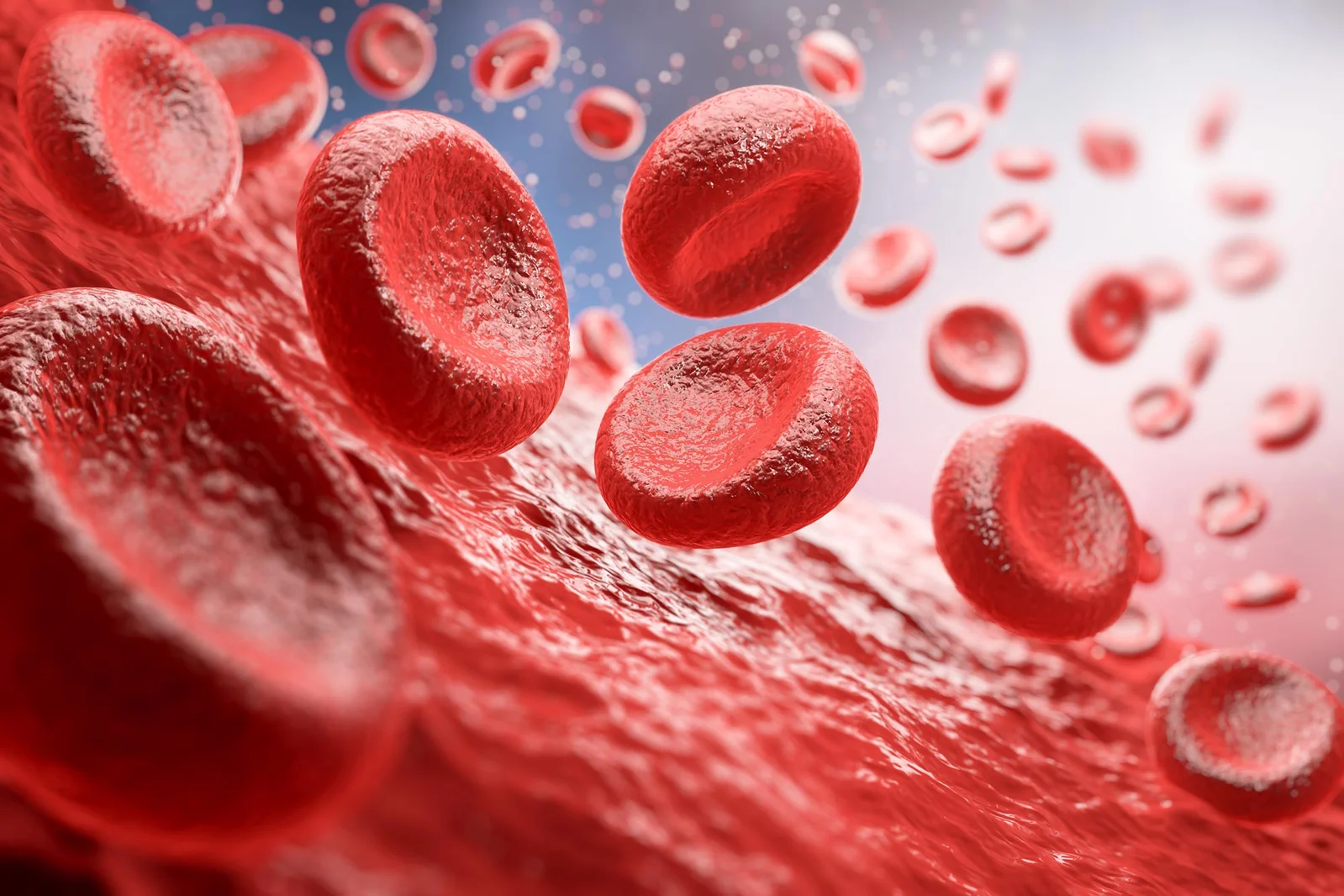
Mount Sinai researchers found that aging in hematopoietic stem cells is driven by hyperactive lysosomes; by inhibiting lysosomal activity in aged cells ex vivo, they restored youthful function and boosted in vivo blood-forming capacity by over eightfold, offering a potential path to treating age-related blood disorders and improving stem cell transplants.
Scientists at St. Jude's Research Hospital discovered how mitochondria and lysosomes work together to activate and deactivate regulatory T cells, which are crucial for controlling inflammation and immune responses. Their findings reveal metabolic and organelle signaling pathways that influence T cell function, with potential implications for treating autoimmune diseases and enhancing cancer immunotherapy.
A recent study published in Cell reveals that the risk of late-onset Alzheimer's disease associated with different APOE gene variants is linked to lysosomal dysfunction. Researchers found that the high-risk ApoE4 variant, unlike the protective ApoE2 and Christchurch variants, transports lipids into lysosomes, leading to the accumulation of lipofuscin, a toxic byproduct. This process is exacerbated by the strong binding of ApoE4 to low-density lipoprotein receptors, causing increased lipid uptake and oxidative stress in lysosomes. These findings offer new insights into the molecular mechanisms of Alzheimer's and potential therapeutic targets.
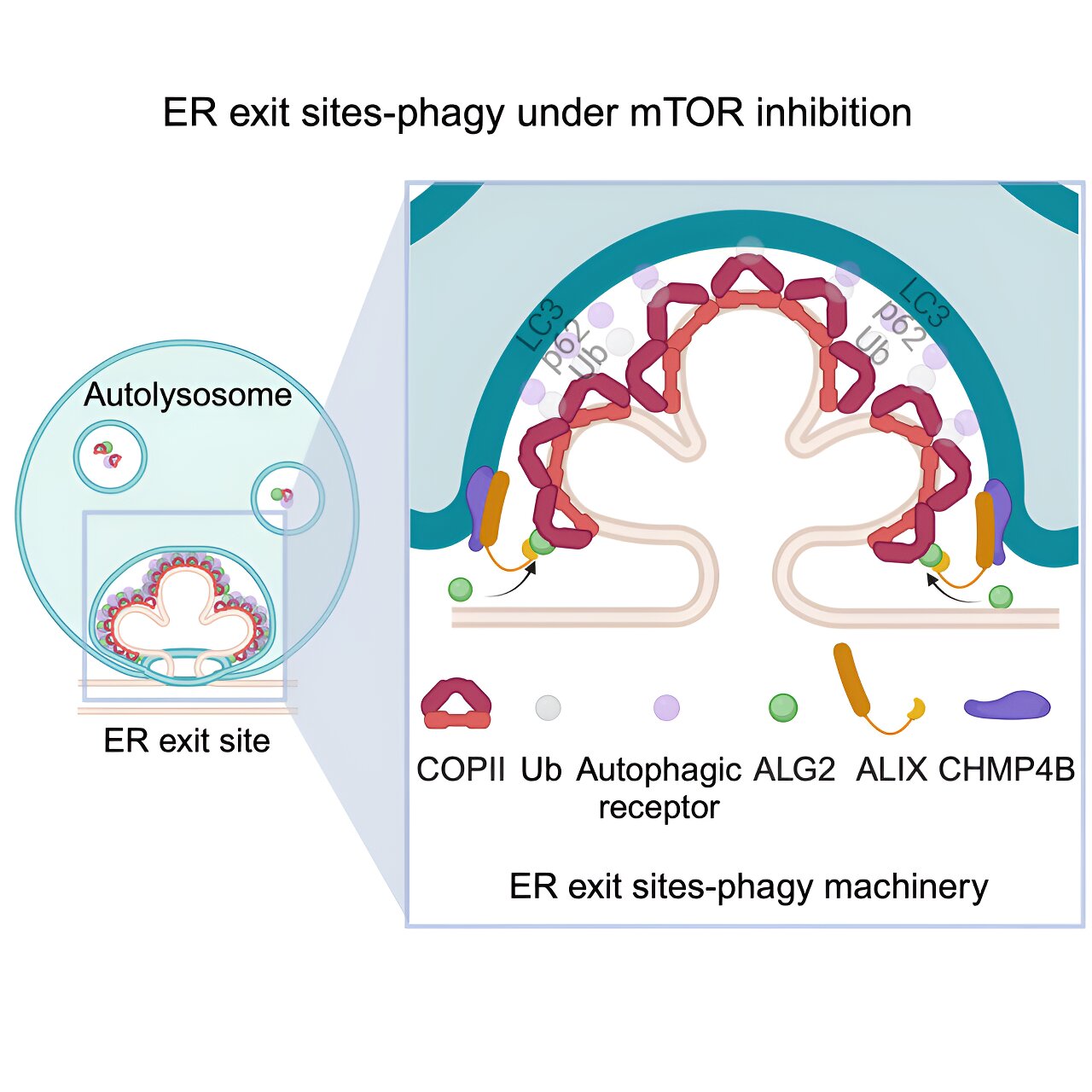
A new study reveals how nutrient-starved cells repurpose protein transport stations to be directed to lysosomes for degradation, providing a novel insight into how cells cope with stressful conditions. The research demonstrates that under nutrient stress, a series of molecules work together to guide ER exit sites to lysosomes, where they are broken down to free up amino acids needed for protein synthesis inside the cell. This discovery sheds light on cellular stress responses and could have implications for understanding aging and developing new treatments for various processes involving ER exit sites.
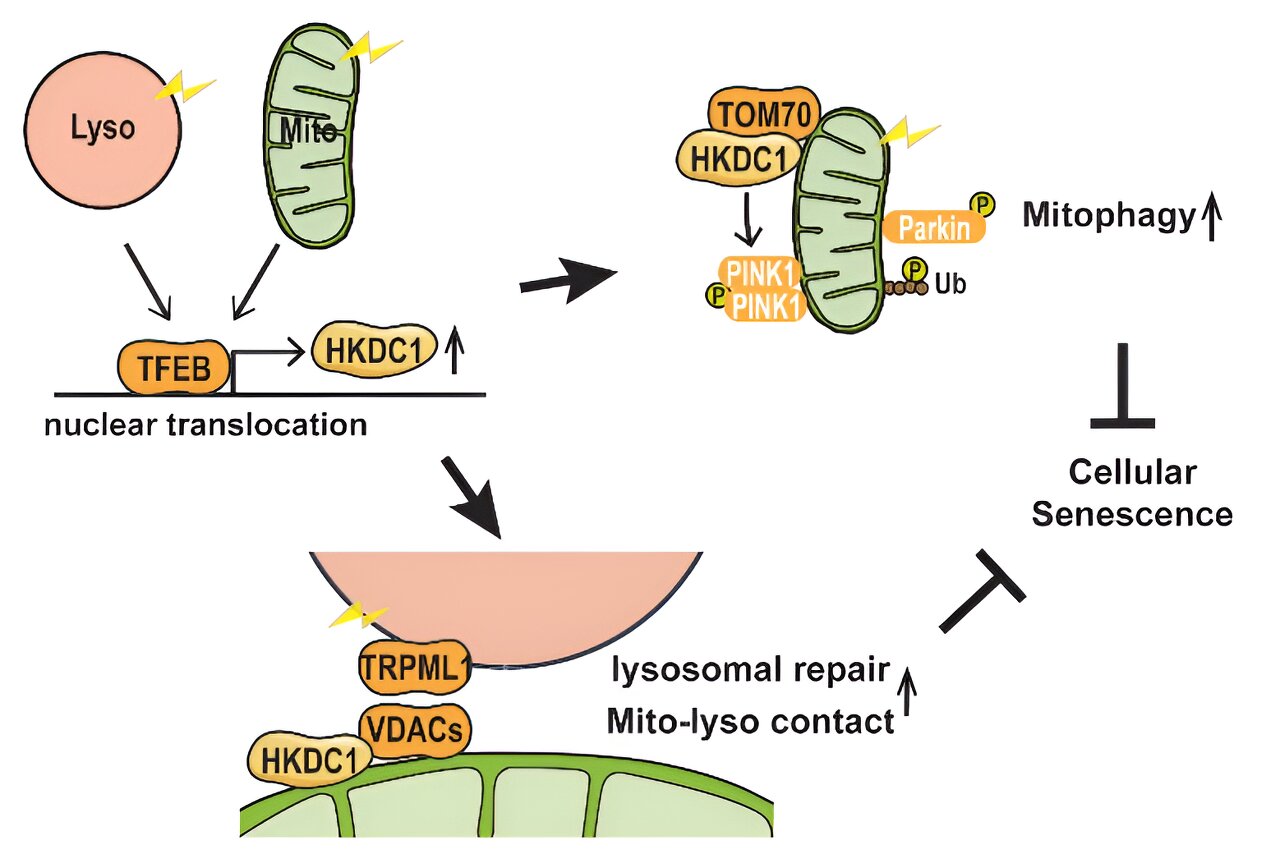
Researchers at Osaka University have discovered that the protein HKDC1 is essential in maintaining the health of mitochondria and lysosomes, which are crucial organelles within cells. HKDC1 helps to prevent cellular aging by stabilizing these organelles, thus protecting against cellular senescence and potentially offering new therapeutic targets for aging-related diseases. The protein works by promoting mitophagy, the removal of damaged mitochondria, and by aiding in the repair of lysosomes, ensuring the longevity of cellular function.
Researchers at Osaka University have discovered that the protein HKDC1, regulated by TFEB, is essential for maintaining the health of mitochondria and lysosomes within cells. HKDC1 supports mitophagy by stabilizing PINK1 in collaboration with TOM70 and is crucial for the repair of damaged lysosomes through its interaction with VDAC proteins. This protein's role in preserving mitochondrial and lysosomal function is key to preventing cellular senescence, offering potential new therapeutic targets for aging and related diseases. The findings were published in the journal PNAS.