
Tag

Immunogenicity

All articles tagged with #immunogenicity

ac4C mRNA Modification Delivers Higher Protein Output With Maintained Fidelity
science13 days ago

ac4C mRNA Modification Delivers Higher Protein Output With Maintained Fidelity

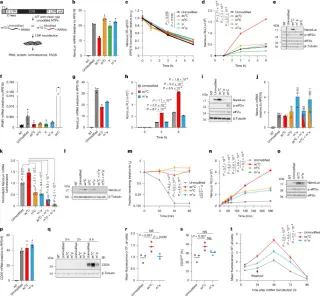
A Nature study shows N4-acetylcytidine (ac4C) in synthetic IVT mRNA yields higher protein output than N1-methylpseudouridine (m1Ψ) across cells and in mice, while suppressing innate immune activation to a similar extent as m1Ψ. ac4C slows elongation modestly but avoids the ribosome collisions and +1 frameshifting that m1Ψ promotes, boosting translation efficiency without compromising fidelity. In primary human immune cells, ac4C reduces IFN responses while increasing NanoLuc output; in mice, ac4C mRNA–LNPs produced ~3.5-fold higher hepatic luminescence at 24 h than m1Ψ. The work, using SINAPs imaging, ribosome profiling and in vivo models, supports a BUMP model where different nucleotide modifications steer ribosome flow and quality control. While m1Ψ remains a strong clinical standard, ac4C offers a complementary option for contexts demanding high yield and accurate protein production.
The Impact of Tumor Heterogeneity on Immunogenicity in Mismatch Repair Deficient Tumors
cancer-immunotherapy2 years ago

The Impact of Tumor Heterogeneity on Immunogenicity in Mismatch Repair Deficient Tumors

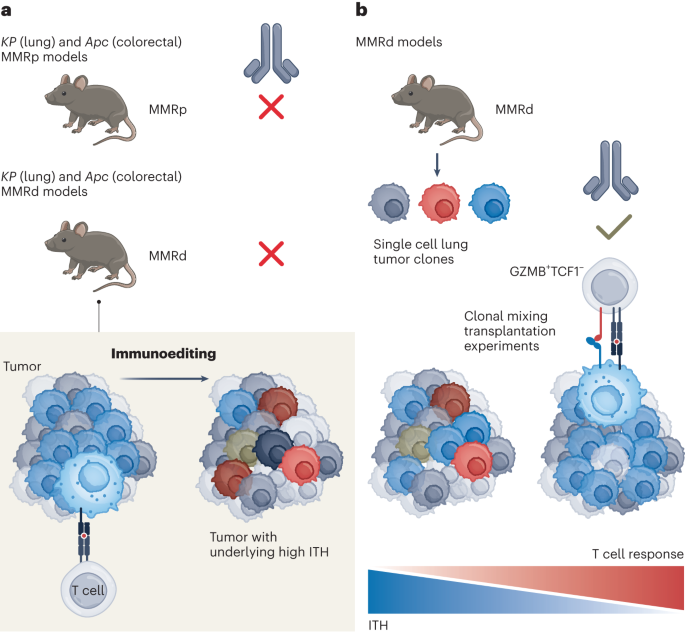
Tumor heterogeneity can impair immunogenicity in mismatch repair deficient (MMRd) tumors, potentially leading to immunotherapy failure. While high tumor mutational burden (TMB) is associated with exceptional immunotherapy responses, some MMRd patients do not experience clinical benefit. Recent research suggests that high intra-tumoral heterogeneity can offset immunogenicity in sporadic MMRd tumors, highlighting the need for further investigation into the mechanisms underlying immunotherapy resistance.

Boosting mRNA Vaccine Effectiveness with Enhanced Lipid-Nanoparticle Adjuvants
science-and-technology2 years ago

Boosting mRNA Vaccine Effectiveness with Enhanced Lipid-Nanoparticle Adjuvants

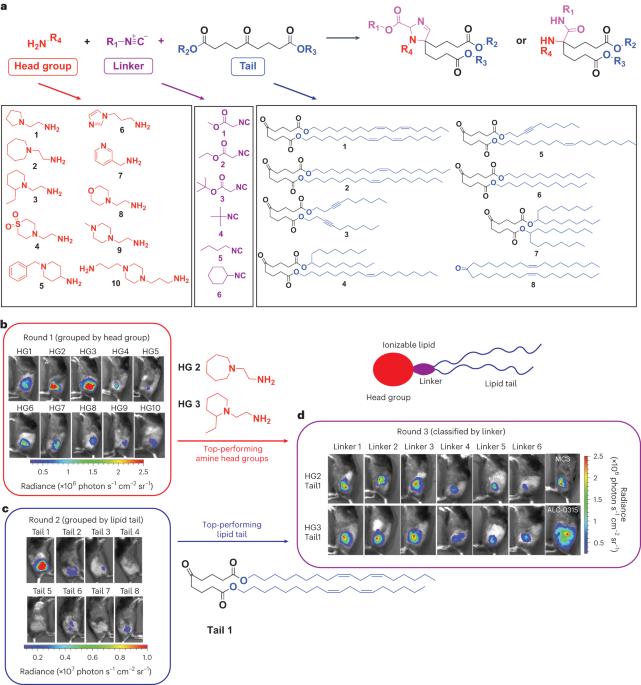
Researchers have found that enhancing the immunogenicity of lipid-nanoparticle mRNA vaccines can be achieved by adjuvanting both the ionizable lipid and the mRNA. Adjuvants such as lipid nanoparticles have been shown to induce robust T follicular helper cell and humoral responses, leading to increased efficacy of mRNA and protein subunit vaccines. Additionally, the use of heterocyclic lipids in mRNA delivery has been found to activate immune cells through the STING pathway, further enhancing anti-tumor efficacy. The optimization of lipid nanoparticles for mRNA vaccine delivery and the use of adjuvants like ionizable cationic lipid nanoparticles have the potential to improve the immune response and efficacy of mRNA vaccines against COVID-19 and other diseases.

science-and-technology3 years ago

AI Algorithm Enhances Stability and Potency of mRNA Vaccines.

Researchers have developed an algorithm called LinearDesign that optimizes both structural stability and codon usage in mRNA vaccines, improving their half-life, protein expression, and immunogenicity. The algorithm takes only 11 minutes for the SARS-CoV-2 Spike protein and can be used for other mRNA medicines encoding therapeutic proteins. This breakthrough could help overcome the critical limitation of mRNA instability and degradation, making mRNA vaccines more efficient and effective.