Tag

Insar

All articles tagged with #insar

Ancient Taftan Volcano Signals a Quiet Wake-Up with Satellite-Detected Uplift
environment5 days ago

Ancient Taftan Volcano Signals a Quiet Wake-Up with Satellite-Detected Uplift

Satellite data show Taftan, a remote volcano in southeastern Iran, has risen about 9 cm in 10 months, signaling pressure buildup near the summit in a shallow hydrothermal/magmatic system. The uplift, centered near the summit, likely reflects gas and fluids moving through cracks rather than magma reaching the surface, so eruption is not imminent but ongoing monitoring is essential. Authorities should track gas emissions, install a basic seismic/GPS network, and update hazard maps while satellites continue to monitor.

Iran's Taftan Volcano Uplifts, Hinting at Wake-Up After 700,000 Years
environment3 months ago

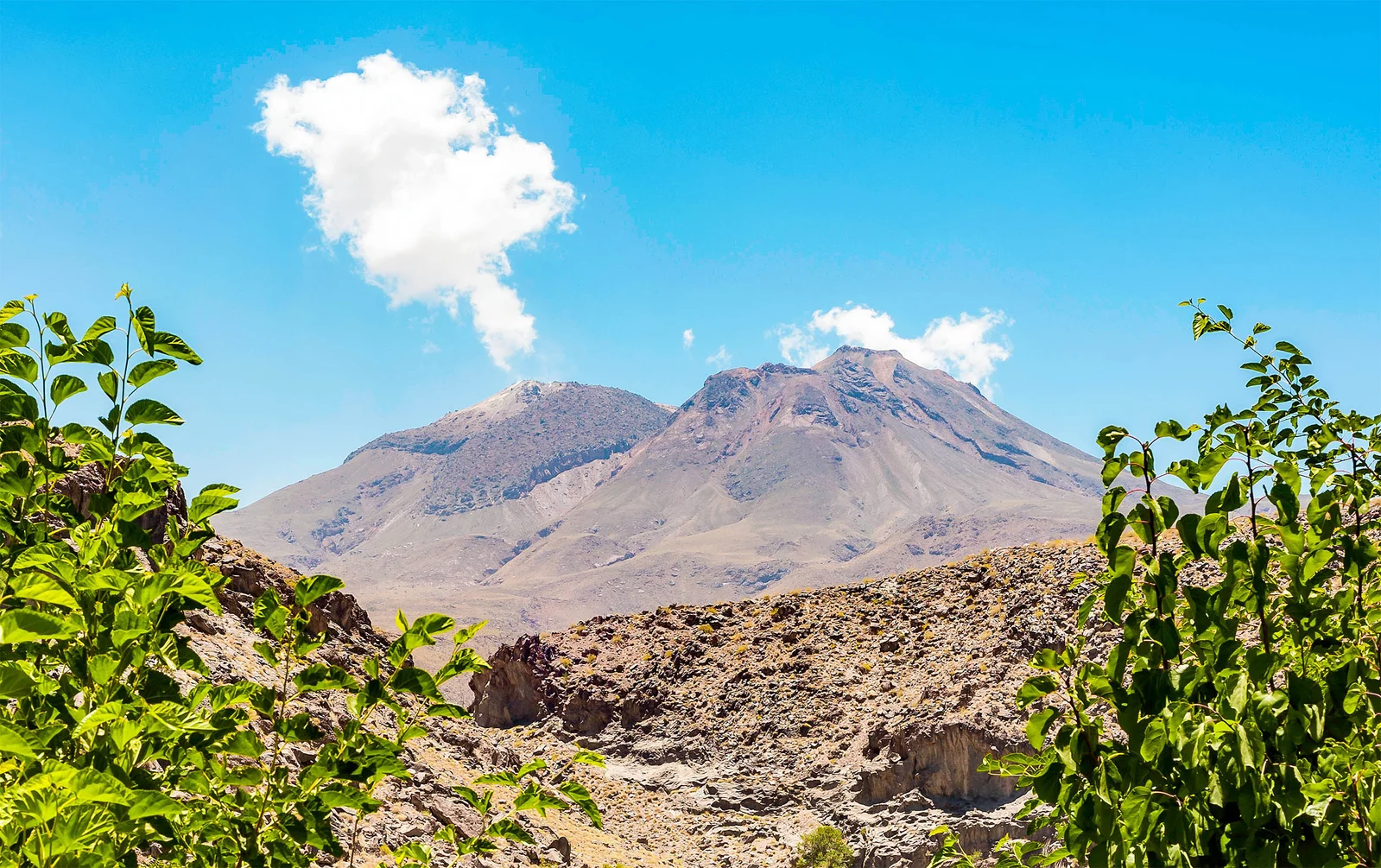
Iran's Taftan Volcano Uplifts, Hinting at Wake-Up After 700,000 Years

Satellite data show the Taftan volcano in southeastern Iran rising about 9 cm (3.5 inches) over 10 months, signaling pressure building in a shallow hydrothermal system near the summit rather than a magma-driven eruption. Researchers say the uplift, detected by InSAR from Sentinel-1, warrants ongoing monitoring (gas emissions, seismometers, GPS) and hazard planning, since phreatic blasts could occur even without lava flows.

Unraveling Morocco's 'Blind Earthquake': Satellite Data, Aid Bafflement, and Risk Reduction
earth-science2 years ago

Unraveling Morocco's 'Blind Earthquake': Satellite Data, Aid Bafflement, and Risk Reduction

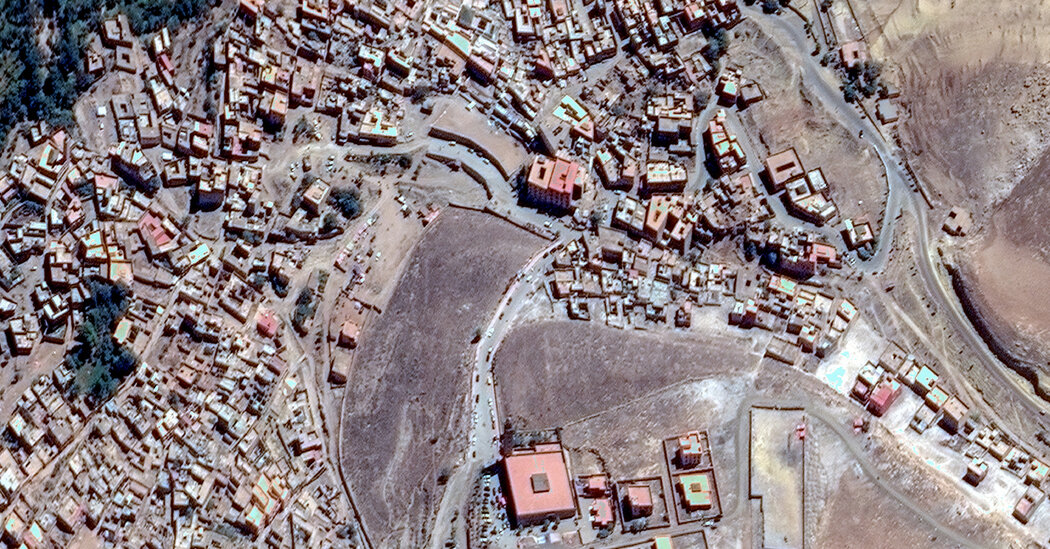
Satellite data collected from 430 miles above Earth is providing scientists with crucial information about the recent earthquake in Morocco. The data, obtained through a technique called InSAR, reveals that the earthquake involved both horizontal and upward movement of the land. Analysis suggests that an ancient fault called the Tizi n’Test fault may have been responsible for the quake, despite being inactive in recent history. These "blind earthquakes" are challenging to study as they do not crack through to the surface. The findings contribute to a better understanding of the event and could help assess future risks.