
Tag

Intranasal Delivery

All articles tagged with #intranasal delivery

Two-dose nasal spray reverses brain aging markers in animal models
science3 months ago

Two-dose nasal spray reverses brain aging markers in animal models

Texas A&M researchers report that a two-dose intranasal spray delivering extracellular vesicles loaded with microRNAs reduced brain inflammation, restored mitochondrial function, and improved memory in animal models—hinting at a potential, noninvasive therapy for age-related cognitive decline and dementia, though human trials are not yet underway and findings are preclinical.
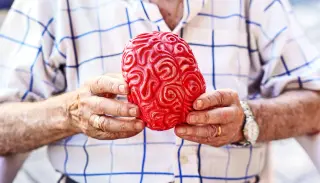

Intranasal spray resets aging brain and sharpens memory
science4 months ago

Intranasal spray resets aging brain and sharpens memory

Texas A&M researchers report that a two-dose intranasal spray delivering extracellular vesicles with microRNAs reduced brain inflammation, recharged neuronal mitochondria, and noticeably improved memory in preclinical aging models, suggesting a noninvasive therapy for brain aging and dementia that bypasses the blood-brain barrier; the team has filed a US patent with backing from the National Institute on Aging.

Two-Dose Intranasal Spray Reverses Brain Aging in Preclinical Study
science4 months ago

Two-Dose Intranasal Spray Reverses Brain Aging in Preclinical Study

Two-dose intranasal spray delivering extracellular vesicle microRNA cargo reduced brain inflammation, recharged mitochondrial function, and significantly improved memory in aging brain models within weeks—effects lasting months—which could reshape neurodegenerative therapies and offer a noninvasive alternative to invasive procedures or long-term meds, with a U.S. patent filed.

Two-dose nasal spray reverses brain aging and memory decline
science4 months ago

Two-dose nasal spray reverses brain aging and memory decline

A Texas A&M–led study reports a non-invasive intranasal spray carrying extracellular vesicles and microRNA cargo can reach the brain, suppress chronic inflammation, recharge mitochondrial function, and markedly improve memory in aging models within weeks—effects persist for months after just two doses and are similar in males and females. The researchers envision potential use in stroke recovery and dementia therapy, and a U.S. patent has been filed.