Tag

Extracellular Vesicles

All articles tagged with #extracellular vesicles

Arc protein may ferry toxic Tau between neurons, unveiling a new Alzheimer’s therapeutic target
health-and-medicine11 days ago

Arc protein may ferry toxic Tau between neurons, unveiling a new Alzheimer’s therapeutic target

Mouse studies show Arc enables toxic Tau to spread between neurons via extracellular vesicles; removing Arc dramatically reduces Tau transfer, but Arc also helps neurons expel Tau, suggesting therapies should target the Tau-containing vesicles rather than Tau itself—offering a potential new route to slow Alzheimer's progression, though human relevance remains to be proven.

Two-dose nasal spray reverses brain aging markers in animal models
science1 month ago

Two-dose nasal spray reverses brain aging markers in animal models

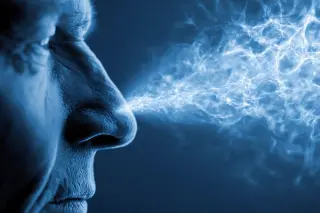
Texas A&M researchers report that a two-dose intranasal spray delivering extracellular vesicles loaded with microRNAs reduced brain inflammation, restored mitochondrial function, and improved memory in animal models—hinting at a potential, noninvasive therapy for age-related cognitive decline and dementia, though human trials are not yet underway and findings are preclinical.

Intranasal spray resets aging brain and sharpens memory
science2 months ago

Intranasal spray resets aging brain and sharpens memory

Texas A&M researchers report that a two-dose intranasal spray delivering extracellular vesicles with microRNAs reduced brain inflammation, recharged neuronal mitochondria, and noticeably improved memory in preclinical aging models, suggesting a noninvasive therapy for brain aging and dementia that bypasses the blood-brain barrier; the team has filed a US patent with backing from the National Institute on Aging.

Two-Dose Nasal Spray Reverses Brain Aging in Weeks, Texas A&M Finds
science2 months ago

Two-Dose Nasal Spray Reverses Brain Aging in Weeks, Texas A&M Finds

Texas A&M researchers report a two-dose nasal spray that uses microRNA-loaded extracellular vesicles to bypass the blood-brain barrier, reduce neuroinflammation, and restore cognitive function in aging animal models within weeks — with effects lasting months and observed in both sexes. Human trials are years away; the team has filed a patent and has backing from the National Institute on Aging, though safety details remain undisclosed.

Nasal spray reverses brain aging markers in mice, study finds
science2 months ago

Nasal spray reverses brain aging markers in mice, study finds

A preclinical mouse study reports a nasal spray that delivers extracellular vesicles containing microRNAs to the brain can reverse signs of brain ageing within weeks, lowering inflammation and boosting cognitive processing. Two doses showed benefits, suggesting the brain’s repair systems can be reactivated, but more research and human trials are needed.

Two-Dose Intranasal Spray Reverses Brain Aging in Preclinical Study
science2 months ago

Two-Dose Intranasal Spray Reverses Brain Aging in Preclinical Study

Two-dose intranasal spray delivering extracellular vesicle microRNA cargo reduced brain inflammation, recharged mitochondrial function, and significantly improved memory in aging brain models within weeks—effects lasting months—which could reshape neurodegenerative therapies and offer a noninvasive alternative to invasive procedures or long-term meds, with a U.S. patent filed.

Two-dose nasal spray reverses brain aging and memory decline
science2 months ago

Two-dose nasal spray reverses brain aging and memory decline

A Texas A&M–led study reports a non-invasive intranasal spray carrying extracellular vesicles and microRNA cargo can reach the brain, suppress chronic inflammation, recharge mitochondrial function, and markedly improve memory in aging models within weeks—effects persist for months after just two doses and are similar in males and females. The researchers envision potential use in stroke recovery and dementia therapy, and a U.S. patent has been filed.

Statins May Boost Immunotherapy by Blocking Cancer PD-L1 Cargo
health-and-medicine5 months ago

Statins May Boost Immunotherapy by Blocking Cancer PD-L1 Cargo

Researchers found that cancer cells load the immune-inhibiting protein PD-L1 into tiny extracellular vesicles via the protein UBL3, helping tumors suppress immune responses. Statins block this UBL3-driven modification, reducing PD-L1 cargo and potentially improving responses to immune checkpoint inhibitors, with supporting evidence from non-small cell lung cancer patients showing fewer PD-L1–containing vesicles in those taking statins.