Tag

Islet Cells

All articles tagged with #islet cells

Oxygen-powered implant lets encapsulated islet cells regulate diabetes without immunosuppression
technology14 days ago

Oxygen-powered implant lets encapsulated islet cells regulate diabetes without immunosuppression

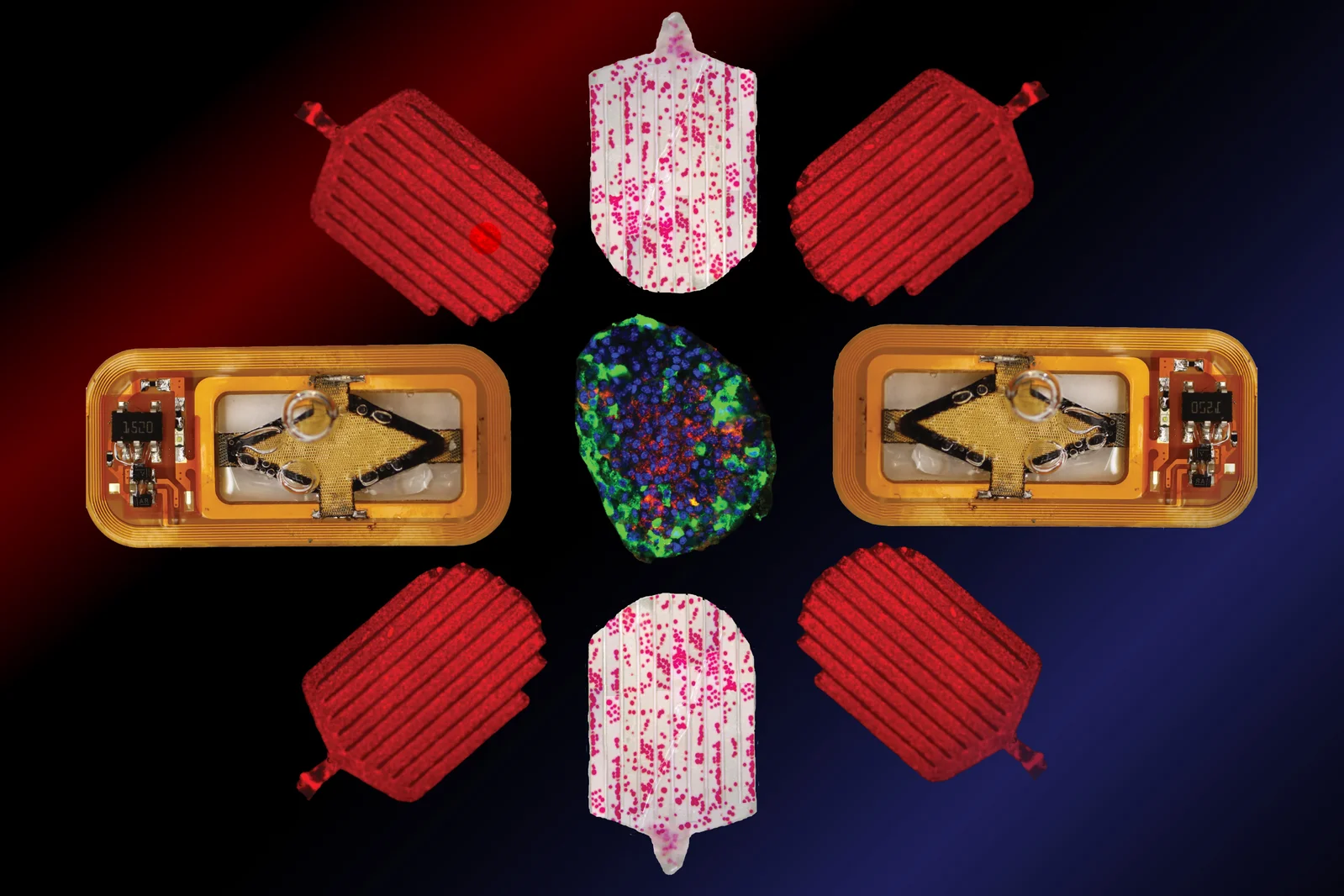
MIT researchers have developed an implantable, encapsulated islet-cell device with an onboard oxygen generator that protects the cells from immune attack and sustains insulin production. In mice and rats, the device functioned for at least 90 days, maintaining healthy blood glucose by the donor or stem-cell–derived islets, with wireless power delivery boosting oxygen supply. The team aims to extend durability to years and explore delivering other protein therapies in the body.

Stanford Study Reverses Type 1 Diabetes in Mice with Dual-Transplant, No Immunosuppression
science1 month ago

Stanford Study Reverses Type 1 Diabetes in Mice with Dual-Transplant, No Immunosuppression

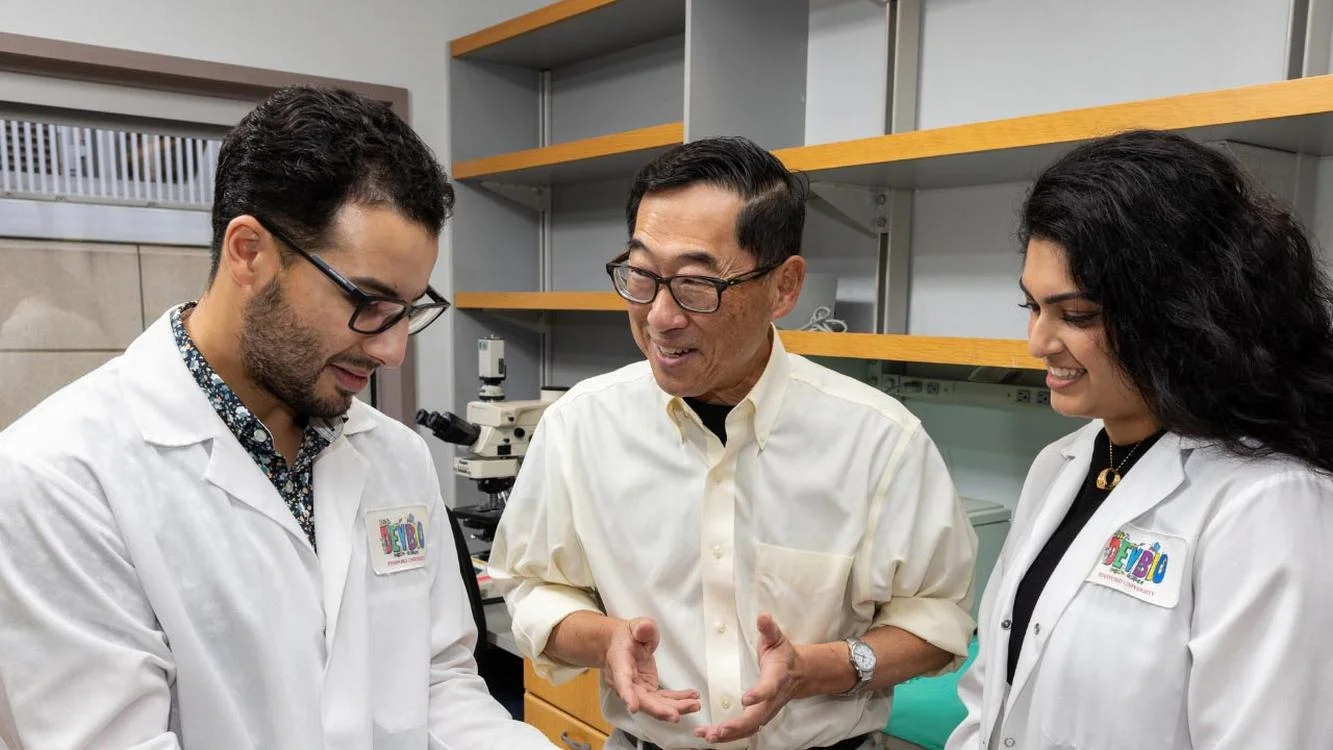
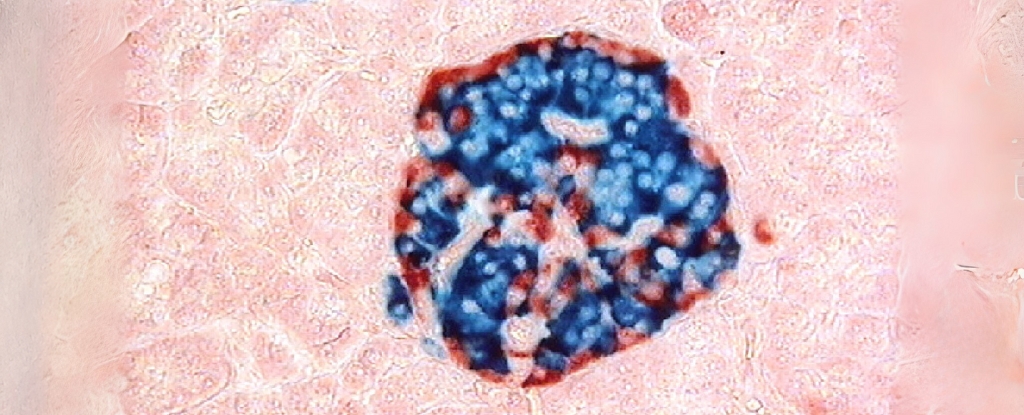
Stanford researchers cured type-1 diabetes in mice for six months using a dual transplant of pancreatic islet cells and donor hematopoietic stem cells to create a hybrid immune system, eliminating the need for insulin or immune-suppressing drugs. In the study, 19 of 19 treated mice remained diabetes-free and 9 of 9 long-standing diabetics were cured, though translating the approach to humans will require overcoming donor cell sourcing and scaling challenges.

Revolutionary Under-Skin Implant Reverses Type 1 Diabetes Without Drugs
health2 years ago

Revolutionary Under-Skin Implant Reverses Type 1 Diabetes Without Drugs

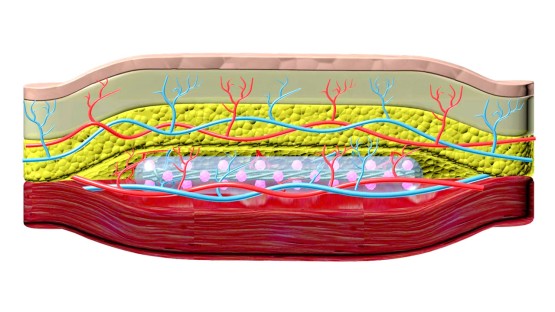
Researchers from Cornell and the University of Alberta have developed a new technique to treat Type 1 diabetes by implanting a device under the skin that can secrete insulin without the need for immunosuppression. The device, named SHEATH (Subcutaneous Host-Enabled Alginate THread), is inserted into a pocket created by nylon catheters, allowing blood vessels to form around it. The device provides a long-term and less invasive alternative to insulin injections or traditional transplants, and future versions may last for two to five years before needing replacement. Additional research is needed to support long-term functionality in large-animal models and eventually patients.