The US Federal Reserve and Bank of England are investigating how global banks manage exposure to large trading firms following a $15 billion loss at Jane Street, triggered by the collapse of AI hedge fund Situational Awareness.
Leopold Aschenbrenner’s $35 billion loss from leveraged AI stock bets at Situational Awareness now ranks as the largest trading loss in history, surpassing previous records. Jane Street Capital absorbed a $15 billion hit from the collapse. The Financial Times analyzed historical data to contextualize this event, noting that while many massive losses occur at banks or corporations, only a few involve hedge funds. The article highlights that large asset managers like Millennium Management can generate multi-billion dollar losses through normal market fluctuations, but these are rarely recorded as 'disasters' because they are not realized or are part of routine volatility. The FT’s analysis suggests that the current leaderboard is skewed toward events that generate significant media attention, potentially underestimating the true scale of losses at firms like Tiger Global or Jane Street itself.
Jane Street reported a $15bn loss in July, driven by a sharp reversal in AI stocks that impacted its investment in Leopold Aschenbrenner’s hedge fund, Situational Awareness. The firm disclosed the figure to lenders during a debt restructuring, marking a rare setback for the trading giant despite record annual revenues.
Jane Street committed about $6 billion to CoreWeave’s AI cloud and acquired a $1 billion equity stake, expanding their partnership to deploy next-generation compute for large-scale ML and trading across CoreWeave’s facilities, including NVIDIA’s Vera Rubin tech.
Bitcoin, Ethereum and Solana surged as the broader crypto market rallied about 8% to around $2.5 trillion after a lawsuit accusing Jane Street of insider trading sparked chatter that the long-standing 10 a.m. dump had ended. Bitcoin briefly traded above $70,000 with Ethereum up roughly 13% and Solana up over 15%; while analysts noted no public evidence of a fixed selling schedule, the mood shifted from persistent selling pressure to a recovery in the context of Terra-Luna's collapse history.
Jane Street has challenged allegations by the Indian regulator accusing it of market manipulation, asserting its compliance and integrity in the financial markets.
Jane Street, a major trading firm, has surpassed $10 billion in revenue for the first time in a single quarter, highlighting its significant growth and influence in the financial markets.
Jane Street set a Wall Street record with $10.1 billion in Q2 trading revenue, more than doubling from the previous year, driven by market volatility from trade war tensions, and reaching an all-time first-half high of $17.3 billion, despite regulatory scrutiny in India.
Jane Street has requested an extension to respond to India's SEBI regarding allegations of market manipulation, after being temporarily barred from trading in India and setting aside funds to comply with the investigation. The firm disputes SEBI's findings and is engaging constructively with regulators.
Indian regulators are investigating US trading firm Jane Street for alleged market manipulation and tax evasion, following a significant seizure and ban related to price rigging in the Indian stock and options markets, raising concerns over market oversight and investor protection.
Jane Street, a highly secretive and profitable trading firm, has come under scrutiny after India's SEBI regulator seized $564 million related to its trading strategies, revealing detailed trading data and raising questions about its operations and risk practices. The firm, known for its risk appetite and technological focus, disputes the regulator's findings and faces potential investigations in other jurisdictions, highlighting its rapid growth and the challenges of maintaining secrecy in high-stakes trading.
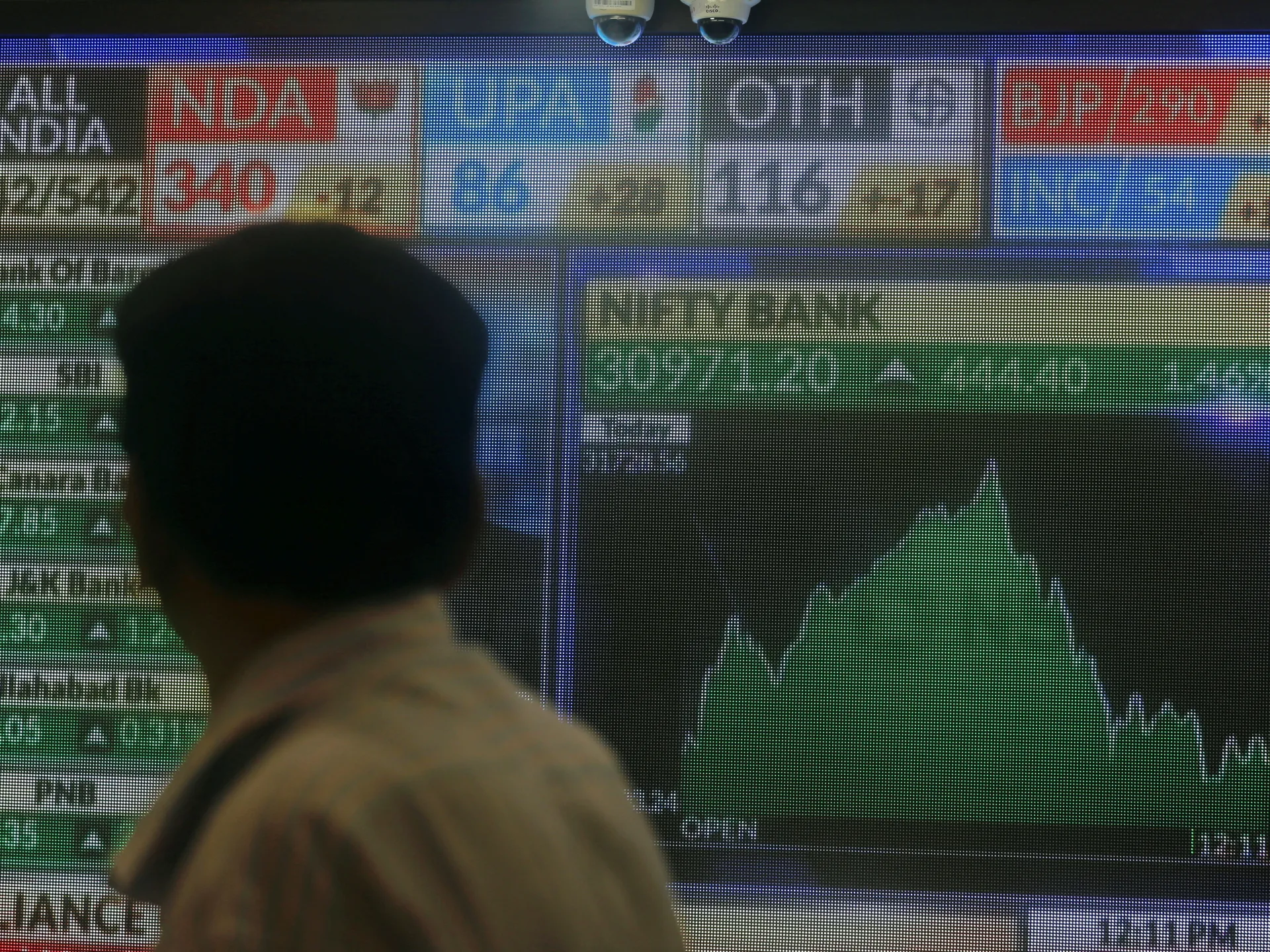
India's market regulator Sebi has banned US trading firm Jane Street for allegedly manipulating India's stock market through illegal trading practices involving the Bank Nifty index, causing losses to small investors. Jane Street denies the allegations, claiming their trades are legitimate index arbitrage, but the controversy highlights concerns over market regulation and investor protection in India.
Jane Street Group deposited $564 million in an escrow account to comply with India's SEBI amid ongoing investigations into alleged market manipulation related to its options trading, with the firm denying the allegations and considering legal options while its return to the Indian market remains uncertain.
Jane Street has deposited $560 million as part of an effort to lift the trading ban in India, aiming to re-enter or expand its operations in the Indian financial markets.