A new variant of the MacSync macOS stealer uses public iCloud calendar events to hide command payloads, adding a Finder-disguised backdoor and server-side decryption to evade static analysis.
Kaspersky revisited a 2024 study and found MD5 remains dangerously fast to crack with modern GPUs: about 60% of leaked real-world passwords could be cracked in under an hour and 48% in under a minute, highlighting the need to move to slower, purpose-built hash functions like bcrypt or Argon2 and to enable MFA or passkeys for extra protection.
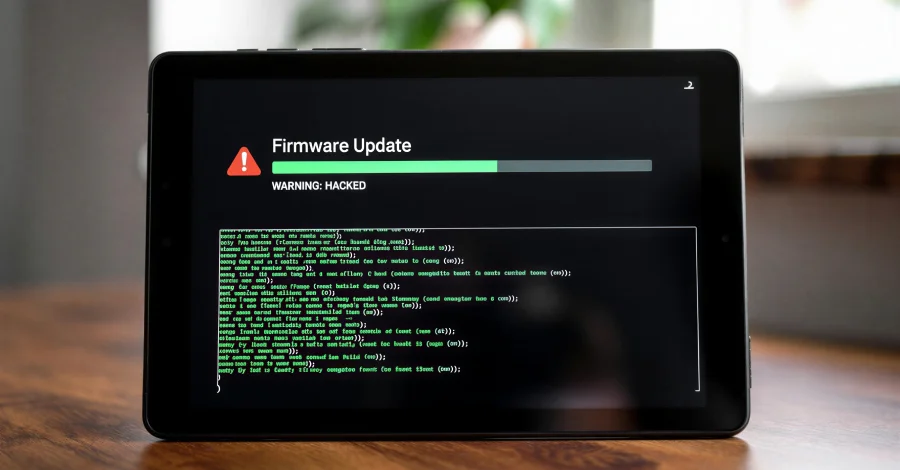
A new Android backdoor named Keenadu is embedded in tablet firmware and distributed via signed OTA updates, enabling attackers to remotely control devices, hijack browsers, monetize app installs, and exfiltrate data through a multi-stage loader that operates across all apps. It also spreads via trojanized apps on Google Play, with Google removing three related apps and Play Protect offering protection. About 13,700 users have been affected worldwide, with clusters in Russia, Japan, Germany, Brazil, and the Netherlands. Keenadu targets core Android components (libandroid_runtime.so, Zygote, system_server) to bypass sandboxing, allowing payloads to be delivered per targeted app and enabling broad control over the device.
Kaspersky is offering U.S. consumers six months of free security software as a farewell gift after the U.S. government added the company to the Entity List, leading to the closure of its U.S. operations and layoffs. The ban, effective September 29, will prevent automatic updates, requiring users to manually install them, potentially compromising security. Kaspersky is shifting focus to other regions like Asia and South America.
Kaspersky is closing its U.S. operations after the Commerce Department banned its software, citing national security risks due to the company's Russian connections. The decision impacts fewer than 50 employees and follows a thorough investigation by the U.S. government. Kaspersky denies being a security threat and argues the ban is based on geopolitical concerns rather than verified risks.
Kaspersky is shutting down its U.S. operations following a Commerce Department ban on its software, citing national security risks due to the company's Russian connections. The decision impacts fewer than 50 employees and ends nearly 20 years of Kaspersky's presence in the U.S. The company disputes the security threat claims, arguing the ban is based on geopolitical concerns rather than verified risks.
Russian cybersecurity firm Kaspersky will exit the U.S. market and lay off fewer than 50 employees following a U.S. government ban on its software due to security concerns. The ban, effective July 20, prohibits the sale and updates of Kaspersky products in the U.S., citing risks of Russian exploitation of personal data.
Russian security vendor Kaspersky is exiting the U.S. market following a Commerce Department ban on its software due to national security concerns. The company will wind down its U.S. operations by July 20, 2024, and lay off fewer than 50 employees. The ban follows an investigation suggesting Kaspersky's software could be manipulated for espionage and cyber threats. Kaspersky denies the allegations, attributing the decision to geopolitical tensions rather than a thorough evaluation of its products. Existing U.S. customers are advised to switch to alternative solutions by September 29.
Kaspersky is closing its US operations and laying off fewer than 50 employees following a ban by the Biden administration, which prohibits the sale and distribution of Kaspersky products in the US due to national security concerns. The company, which has been in the US for nearly 20 years, will cease software updates and malware signatures for existing customers by September 29, rendering its products ineffective. Kaspersky denies being a threat and plans to focus on other markets.
Russian cybersecurity firm Kaspersky Lab will shut down its U.S. operations starting July 20, 2024, and lay off fewer than 50 employees due to U.S. sanctions and national security concerns. The U.S. Treasury and Commerce Departments have sanctioned Kaspersky executives and banned the company from selling its software in the U.S., citing risks from the Russian government's potential influence over Kaspersky's operations.
The U.S. Department of Commerce has banned Kaspersky software, preventing it from providing updates to U.S. customers. Despite the prevalence of third-party antivirus software, built-in protections like Microsoft Defender are now highly effective, making additional paid antivirus programs largely unnecessary. Older Americans are more likely to pay for these services out of habit, but modern default protections are sufficient for most users.
The Biden administration will ban all sales of Kaspersky antivirus software in the US starting in July 2024, citing national security risks. The US Department of Commerce believes the Russian government could exploit Kaspersky's software to install malware and collect personal information. Kaspersky denies these allegations, attributing the ban to geopolitical tensions and theoretical concerns. Current users will have 100 days to find alternatives, and companies selling Kaspersky software post-ban could face fines.
The US has announced a ban on the sale and updates of Kaspersky antivirus software, citing alleged links to the Kremlin and potential risks to US infrastructure. The ban, effective from 29 September, restricts new business within 30 days and imposes fines for violations. Kaspersky denies the allegations and plans to fight the ban legally.
The U.S. Commerce Department has banned the use of antivirus software from the Russia-based cybersecurity firm Kaspersky, which the company denies poses any security threat.
Apple declined to pay a bug bounty to Kaspersky Lab after the Russian cybersecurity firm disclosed four zero-day vulnerabilities in iPhone software, which were allegedly used to spy on Kaspersky employees and Russian diplomats. Kaspersky suggested the vulnerabilities might have been state-sponsored, but Apple denied any collaboration with governments for spying purposes. The refusal comes amid heightened tensions between the US and Russia following the invasion of Ukraine.