Tag

Lazarus Group

All articles tagged with #lazarus group

Binance's $6.3B Breach: North Korea's Automated Crypto Heist
technology27 days ago

Binance's $6.3B Breach: North Korea's Automated Crypto Heist

North Korean hackers stole $6.3 billion from Binance in a 20-minute attack, the largest crypto heist in history. Investigators attribute the breach to the TraderTraitor group, which used automated tools to launder funds and destroy evidence. Binance froze half the stolen assets and pledged to cover losses, while experts warn AI is accelerating such attacks.


Lazarus Group Leverages Post-Quantum Encryption in New South Korean Cyber Espionage Campaign
cybersecurity1 month ago

Lazarus Group Leverages Post-Quantum Encryption in New South Korean Cyber Espionage Campaign

The North Korea-linked Lazarus Group has launched Operation FlashHole, a cyber espionage campaign targeting South Korean construction, software, and wire-communication firms. Active since July 2025, the operation exploits vulnerabilities in mandatory financial security software like Initech’s INISAFE CrossWeb EX to deploy sophisticated malware. Notably, the attackers utilize ML-KEM-1024, a post-quantum cryptographic algorithm, to secure communications with command-and-control servers, a capability reportedly in use since September 2024. The campaign features a complex, in-memory infection chain involving multiple new and updated malware families, including TechHub, TouchHub, and ClientHub, designed to steal data and maintain persistence while evading detection.

AI-Driven PHP2Shell Attacks Breach European Government, Target Global Critical Infrastructure
cybersecurity1 month ago

AI-Driven PHP2Shell Attacks Breach European Government, Target Global Critical Infrastructure

Threat actors are leveraging agentic AI to exploit critical PHP vulnerabilities, achieving rapid privilege escalation in a European government entity. Simultaneously, a suspected North Korean campaign is conducting low-and-slow scanning against 216 global targets, including financial and government sectors, to prepare for active exploitation.

Microsoft's August Patch Tuesday Fixes 400 Flaws, Including Active Zero-Day Exploited by North Korea
security3 months ago

Microsoft's August Patch Tuesday Fixes 400 Flaws, Including Active Zero-Day Exploited by North Korea

Microsoft released its August 2026 Patch Tuesday update, addressing 421 vulnerabilities across its ecosystem, including 400 in Windows. The update fixes a critical zero-day (CVE-2026-68820) actively exploited by the North Korean Lazarus Group in the 'Operation Dream Job' campaign. Microsoft urges users to install updates within three days due to AI-accelerated threat detection, while experts debate the balance between rapid patching and testing stability.

Lazarus Weaponizes Windows Zero-Day in Global Defense Espionage Campaign
cybersecurity3 months ago

Lazarus Weaponizes Windows Zero-Day in Global Defense Espionage Campaign

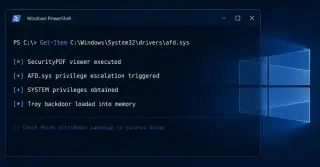
North Korea's Lazarus Group exploited a newly patched Windows zero-day vulnerability to gain SYSTEM-level access and deploy backdoors against defense and aerospace firms in Europe, Brazil, and India. The attack, part of the long-running 'Operation Dream Job,' uses fake job offers and trojanized PDF viewers to bypass security controls. CISA ordered federal agencies to patch the flaw by August 25, 2026, as it was the only confirmed actively exploited vulnerability in Microsoft's August Patch Tuesday release.

Lazarus Group Weaponizes Windows Zero-Day in Global Defense Sector Campaign
cybersecurity3 months ago

Lazarus Group Weaponizes Windows Zero-Day in Global Defense Sector Campaign

North Korea’s Lazarus Group exploited a Windows zero-day vulnerability (CVE-2026-68820) to target defense, aerospace, and aviation firms in Europe, India, and South America. The attack, part of the 'Operation Dream Job' campaign, used fake job offers to deliver malware, including a new backdoor named Troy and an updated FudModule rootkit. Microsoft patched the flaw in August 2026, while attackers also compromised Roundcube servers using a new web shell called RelayShell.

North Korea Exploits Windows Zero-Day in New 'Dream Job' Campaign Amid 421-Patch Surge
security3 months ago

North Korea Exploits Windows Zero-Day in New 'Dream Job' Campaign Amid 421-Patch Surge

Microsoft patched 421 vulnerabilities in its August 2026 release, including a zero-day in the Windows Ancillary Function Driver (afd.sys) actively exploited by North Korea’s Lazarus Group. The flaw, CVE-2026-68820, allows local privilege escalation to SYSTEM level and was used in the 'Operation Dream Job' campaign targeting defense sectors in Europe and India. While the patch volume is high due to AI-assisted discovery, experts warn that only one bug is confirmed exploited, urging prioritized rather than rushed deployment.

Microsoft's August Patch Tuesday Fixes 421 Flaws, Including a Zero-Day Exploited by North Korea's Lazarus Group
technology3 months ago

Microsoft's August Patch Tuesday Fixes 421 Flaws, Including a Zero-Day Exploited by North Korea's Lazarus Group

Microsoft released its August 2026 security updates, fixing 421 vulnerabilities, including a zero-day in the Windows kernel driver afd.sys that is under active exploitation by North Korea's Lazarus Group. The release also addresses four critical, unauthenticated remote code execution flaws in Windows services and completes a two-part fix for a SharePoint chain. While AI has accelerated vulnerability discovery, experts emphasize that patching remains a human-centric process requiring careful testing and prioritization based on exploit status and service reachability.

cybersecurity3 months ago

Microsoft Patches 398 Flaws, Including Zero-Day Exploited by North Korea's Lazarus Group

Microsoft released its August 2026 Patch Tuesday updates, addressing 398 vulnerabilities across Windows and other software. The release includes a critical zero-day, CVE-2026-68820, which is under active exploitation by North Korea's Lazarus Group. While AI has accelerated the discovery of these flaws, experts warn that automated patching remains unreliable, requiring human oversight to ensure fixes do not introduce new weaknesses.

North Korea's Cryptocurrency Activities Raise Global Concerns
cryptocurrency2 years ago

North Korea's Cryptocurrency Activities Raise Global Concerns

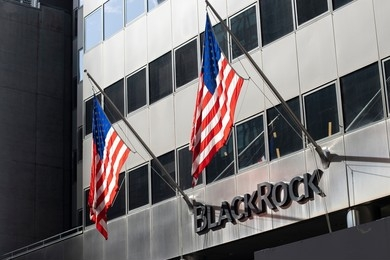
Reports suggest that North Korean hackers associated with the Lazarus Group exploited Ethereum through Tornado Cash and transferred 1 ETH to BlackRock, sparking speculation and raising concerns about potential illicit activities. Tornado Cash has faced increased scrutiny from US regulators, with the US Treasury Department targeting the software for its alleged role in facilitating cybercriminal activity. Despite the rebound in Ethereum's price, the motive behind the alleged transfer remains undisclosed, and BlackRock has not responded to the matter.

"North Korean Lazarus Group Exploits Windows Kernel Zero-Day for Rootkit Attack"
cybersecurity2 years ago

"North Korean Lazarus Group Exploits Windows Kernel Zero-Day for Rootkit Attack"

The Lazarus Group exploited a recently patched Windows Kernel flaw, CVE-2024-21338, as a zero-day to gain kernel-level access and disable security software on compromised hosts. This allowed them to run the FudModule rootkit, which can disable security solutions and manipulate Windows components. The attack showcases the group's technical sophistication and cross-platform focus, as they also target Apple macOS systems. This incident highlights the ongoing threat posed by the Lazarus Group as one of the most prolific and advanced persistent threat actors in the cybersecurity landscape.

Lazarus Group's Latest Tactics: Exploiting Log4j and Deploying RAT Malware
cybersecurity3 years ago

Lazarus Group's Latest Tactics: Exploiting Log4j and Deploying RAT Malware

The Lazarus Group, a North Korean state-sponsored cyber unit, has been using malware strains written in DLang, a memory-safe programming language, in its recent attacks. Cisco Talos discovered at least three DLang-based malware strains used in attacks on organizations in various industries. The attacks, part of "Operation Blacksmith," targeted organizations with n-day vulnerabilities, including the log4j vulnerability. The malware strains, including NineRAT, BottomLoader, and DLRAT, exhibited similar tactics and techniques. DLang is an uncommon choice for writing malware, but there has been an increasing trend among cybercriminals to use newer memory-safe languages like Rust and DLang.

Lazarus Group Exploits Log4j Vulnerabilities for Remote Access
cybersecurity3 years ago

Lazarus Group Exploits Log4j Vulnerabilities for Remote Access

The Lazarus Group, a North Korea-linked threat actor, has launched a global campaign exploiting security flaws in Log4j to deploy previously undocumented remote access trojans (RATs) on compromised hosts. The campaign, known as Operation Blacksmith, involves the use of DLang-based malware families, including a RAT called NineRAT that utilizes Telegram for command-and-control. The Lazarus Group's tactics overlap with the sub-group Andariel, which is responsible for initial access and espionage activities. The attacks target various sectors, including manufacturing, agriculture, and physical security. The group takes advantage of the widespread use of vulnerable versions of Log4j and employs multiple tools for persistent access.

US Treasury Sanctions Sinbad Crypto Mixer for North Korean Money Laundering
cybersecurity3 years ago

US Treasury Sanctions Sinbad Crypto Mixer for North Korean Money Laundering

The U.S. Department of the Treasury's Office of Foreign Assets Control (OFAC) has sanctioned Sinbad.io, a virtual currency mixer used by the Lazarus Group, a state-sponsored cyber hacking group from North Korea, to launder stolen virtual currency. Sinbad has processed millions of dollars' worth of virtual currency from Lazarus Group heists and is also used for illicit activities such as sanctions evasion, drug trafficking, and the purchase of child sexual abuse materials. This designation builds on previous actions taken by OFAC to expose elements of the virtual currency ecosystem used by malicious cyber actors.