Kroger is eliminating 3,000 corporate positions over three years while opening a new operations center in Bangalore, India. CEO Greg Foran cites AI and efficiency needs, but critics warn the move risks alienating customers who view offshoring as a betrayal of the 'social contract.'
Kroger CEO Greg Foran announced the elimination of approximately 3,000 corporate positions over the next three years. The move aims to reduce overhead and leverage artificial intelligence to compete with rivals like Walmart and Costco. Specific role cuts will begin rolling out in the coming months.
Kroger is eliminating approximately 3,000 corporate positions over the next three years to reduce overhead and enhance competitiveness against rivals like Walmart and Costco. The cuts will shrink the corporate workforce from 8,200 to 5,200 employees, with specific role decisions to be communicated in the coming months. This move aligns with a broader industry trend of using AI to streamline operations and cut costs.
Kroger CEO Greg Foran has announced plans to eliminate approximately 3,000 corporate positions over the next three years. The reduction aims to lower overhead and improve competitiveness against rivals like Walmart and Costco. The cuts will reduce the corporate workforce from 8,200 to 5,200 employees, with specific role decisions to be communicated in the coming months.
Kroger CEO Greg Foran announced plans to eliminate approximately 3,000 corporate positions over the next three years. The reduction, detailed in an internal memo, aims to lower overhead and improve competitiveness against rivals like Walmart and Costco. The cuts will reduce the corporate workforce from 8,200 to 5,200 employees, with specific role decisions to be communicated in the coming months.
Kroger has implemented its first dress code update in ten years, requiring nearly 400,000 in-store employees to wear company-issued shirts featuring the brand's shopping-cart logo. The new attire, available in blue, red, or black depending on the store division, replaces the previous policy where workers wore personal clothing under a company apron. Kroger states the change was driven by feedback from both shoppers and employees, aiming to make staff easier to identify and improve the overall shopping experience. The rollout has been completed, with the company reporting positive initial responses regarding the fit and cohesion of the new look. This policy shift occurs alongside other operational changes, including the redesign of apron straps to reduce neck irritation for workers and a broader strategy to close over 60 underperforming stores across the United States.
Kroger has implemented a mandatory uniform policy for its 400,000 in-store employees, marking the first dress code update in ten years. The new attire, featuring the company logo, replaces previous casual wear and aims to improve customer identification and employee comfort.
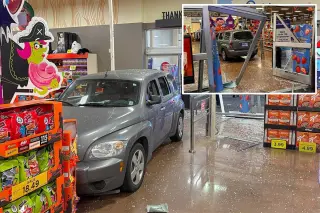
A 60-year-old man in Rosenberg, Texas, was arrested after intentionally crashing his vehicle into a closed Kroger store early Sunday morning. Police stated the suspect rammed the pharmacy entrance because he needed to use the restroom and was frustrated that the doors were locked. The incident caused extensive damage to the store, including shattered glass and bent metal frames. While local outlets reported the arrest on criminal mischief charges, some noted that initial reports did not confirm if the suspect was cited or injured.
Nine individuals were arrested in Cincinnati after animal rights activists chained themselves to the entrance of Kroger’s headquarters. The protest, organized by Animal Equality, demanded the grocery chain end the use of cages for hens in its egg supply. Police blocked nearby streets and the fire department cut the chains, with no injuries reported. Kroger stated it respects peaceful protest but opposes tactics that create safety concerns, noting it has already met with campaign leaders.
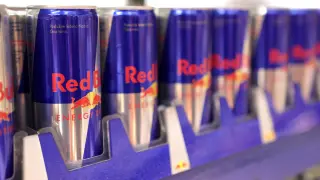
Kroger has removed Red Bull products from all stores and is facing stock shortages for Boar's Head items, citing supplier price negotiations. The move coincides with a nationwide store closure plan and a strategic shift toward private-label brands under new CEO Greg Foran.
Kroger has agreed to a $17 million class-action settlement regarding allegations that it overcharged insured customers for generic prescriptions between December 2018 and August 2026. The lawsuit claims the retailer failed to factor in lower prices from its paid Savings Club program when reporting costs to insurance providers, resulting in higher out-of-pocket expenses for shoppers. Although Kroger denies wrongdoing, eligible customers can file claims until December 21, 2026, to receive a prorated payout from the fund.
Major US supermarket chains are closing dozens of underperforming locations nationwide. Kroger plans to cut 60 stores, while Grocery Outlet and Albertsons-owned brands also reduce footprints. These moves aim to cut costs but risk creating food deserts in affected communities.
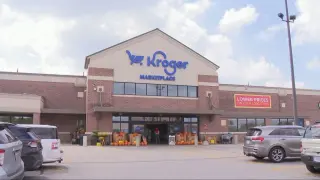
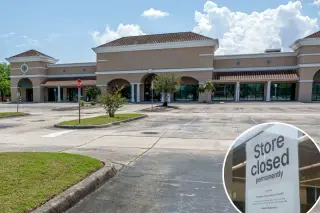
Kroger is closing 60 underperforming stores across the US, including two in California, while simultaneously pursuing a $1.65 billion acquisition of Giant Eagle. The closures involve locations in Sacramento and Santa Clarita, with the latter set to reopen as a Ralphs. This strategic consolidation aims to shift resources toward higher-performing sites and newer 'Kroger Marketplace' facilities, even as the company expands its network through the pending Giant Eagle deal, which is expected to close in 2027.
Approximately 1.5 million dozen white and brown cage-free eggs from Midwest Poultry Services have been recalled for potential Salmonella contamination, sold at Brookshire Grocery stores in Texas, Louisiana, Oklahoma, Arkansas, New Mexico and Mississippi and Kroger stores in Texas and Louisiana. Sell-by dates range from July 20 to August 17. Look for codes P-1950 or 0840962 and Julian dates 157–184 to identify affected eggs. Consumers who bought these eggs should discard them or return them, and monitor for symptoms of Salmonella infection.
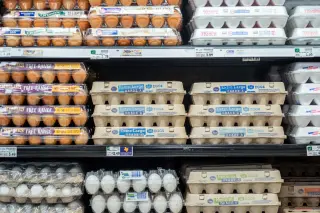
Midwest Poultry Services voluntarily recalled about 19 million eggs due to potential Salmonella contamination. The white and brown cage-free eggs produced in Texas carry sell-by dates between July 20 and Aug 17, 2026 and were sold at Kroger stores in Texas and Louisiana, Brookshire Grocery stores in several states, and to foodservice customers. Consumers are advised not to eat the recalled eggs and to return them for a full refund; the eggs are identifiable by carton codes P-1950 or 0840962 with Julian Dates 157–184. The recall is precautionary, with no illnesses reported, and a full list of affected products is available on the FDA website.