Berkeley Lab Captures Real-Time Footage of CO2 Turning into Graphite in Molten Salt
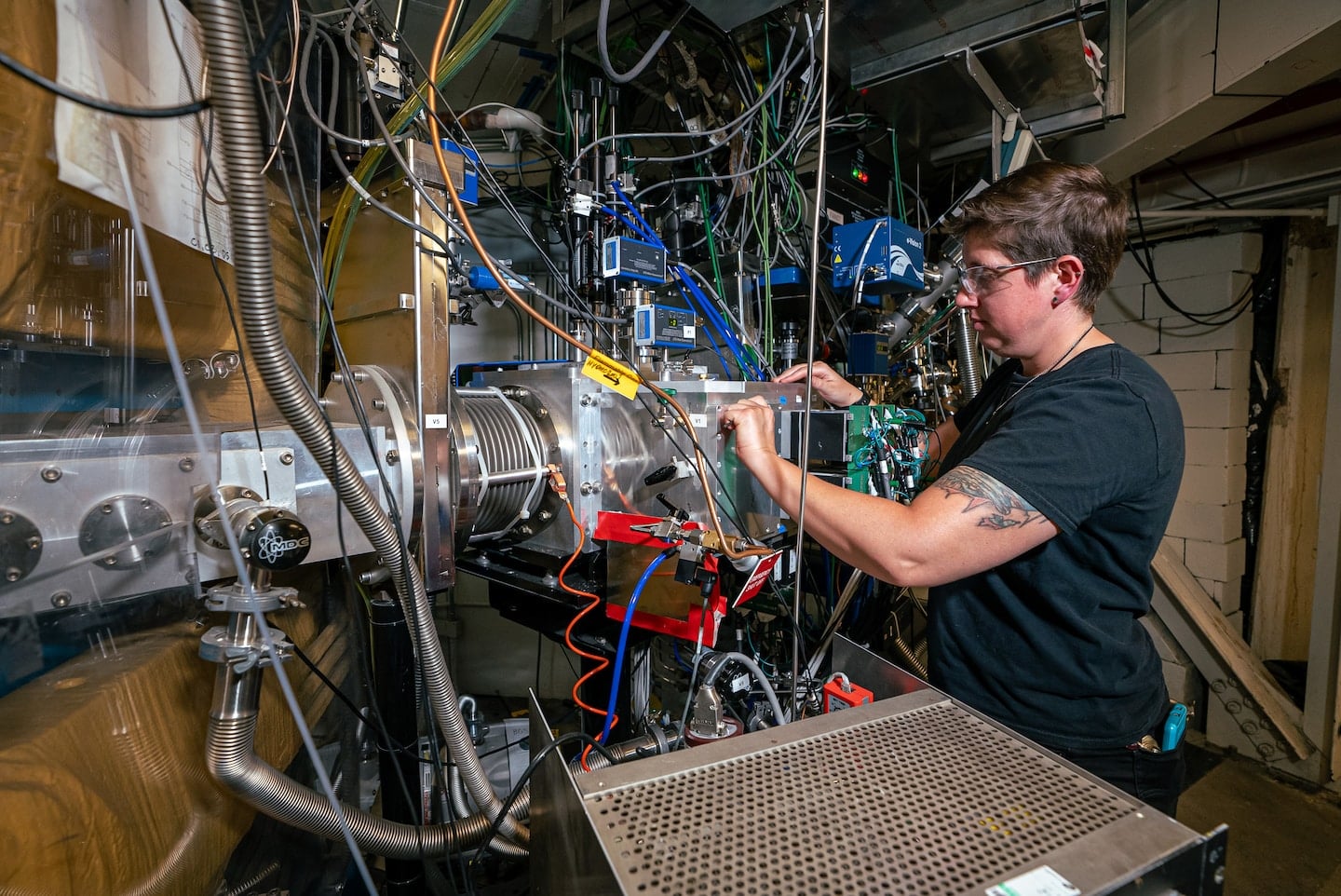
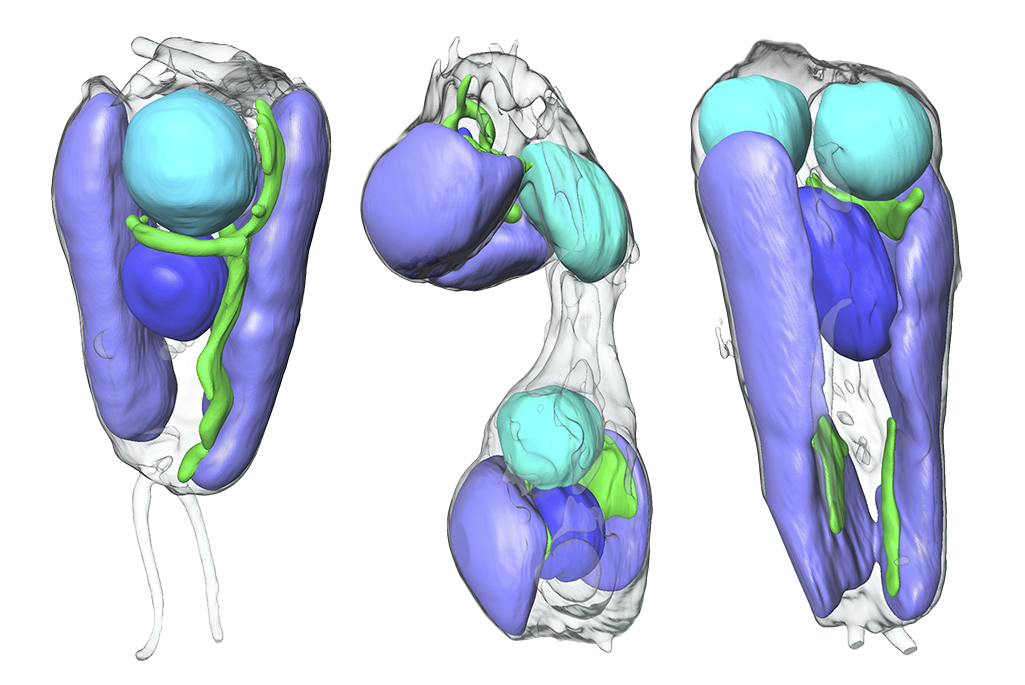
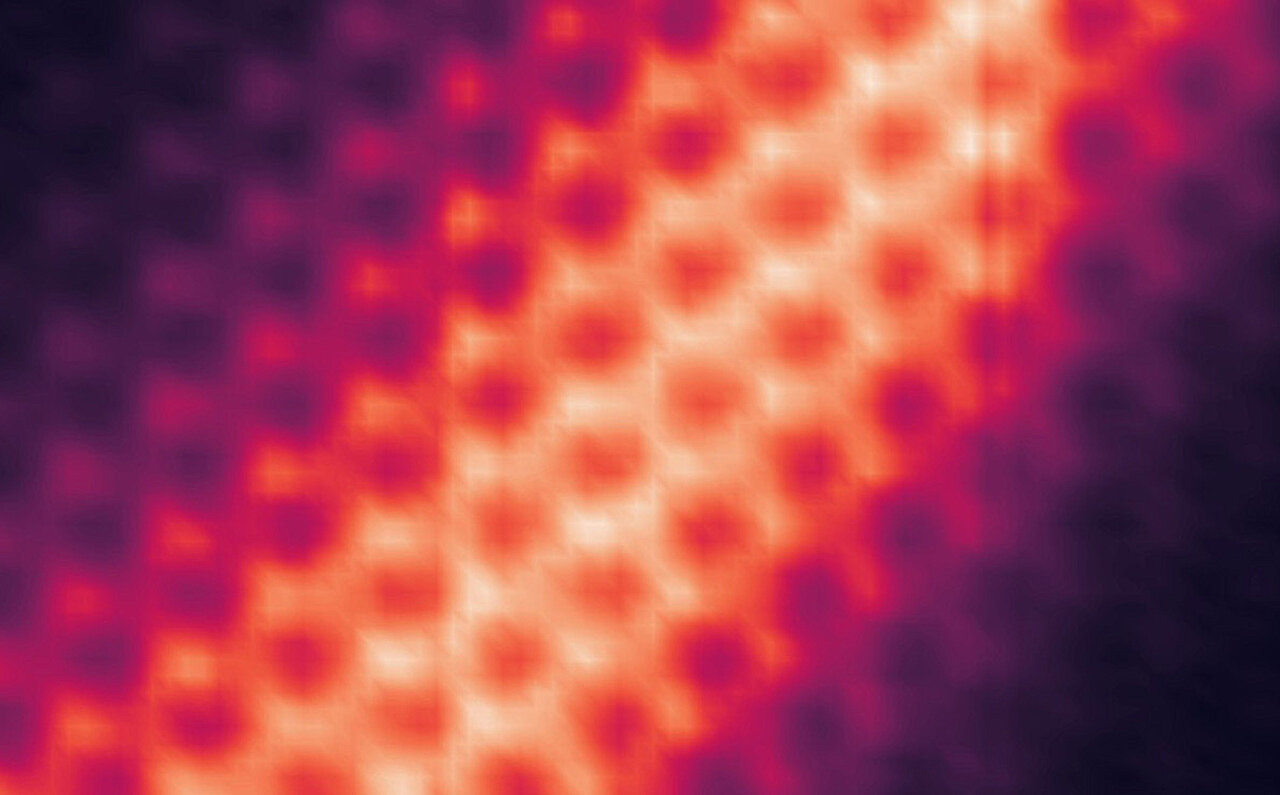
Scientists at Lawrence Berkeley National Laboratory, UC Berkeley, and Estonia’s National Institute of Chemical Physics and Biophysics have successfully observed the real-time conversion of carbon dioxide into solid carbon using molten-salt electrolysis. Published in Nature Communications, the study reveals a two-stage chemical process where electric current strips oxygen from CO2, depositing pure carbon on a cathode. By engineering heat-resistant lenses, researchers overcame the corrosive nature of 500°C (932°F) salts to capture continuous visual data. The findings demonstrate that varying salt mixtures and electrode materials alters the crystalline structure of the resulting carbon, offering a potential pathway to produce battery-grade graphite from captured industrial emissions. While promising for decarbonizing battery supply chains, the team notes significant engineering hurdles remain, including scaling up production and optimizing energy inputs for industrial viability.