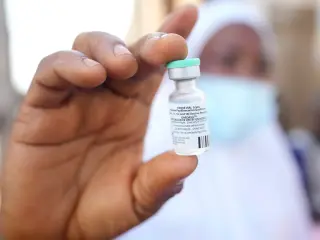
A Lancet review of UK data shows that from 2020–2024, no cervical cancer deaths occurred among women aged 20–24, where 23 deaths would have been expected without the HPV vaccination program, marking a major step in cancer prevention though vaccine uptake and hesitancy remain challenges in other countries.
A Lancet analysis of English data shows girls vaccinated at age 12–13 against HPV have an almost zero risk of dying from cervical cancer before 30, with 30–34-year-olds who were vaccinated seeing a 63% lower death risk; since 2020-2024, no cervical cancer deaths were reported among 20–24-year-olds in England, and the vaccine has saved hundreds of lives. However, falling uptake (about 75% nationally, 60% in London) could reverse gains, prompting urgent action to boost vaccination and screening to help eliminate cervical cancer by 2040.
Twenty years after the HPV vaccine’s approval, HPV-related cancers—especially head and neck cancers in men—are rising, even as vaccination and screening have reduced cervical cancer. HPV is transmitted sexually and can silently cause tumors in the throat, making early detection difficult. Vaccination coverage among teens is improving but remains incomplete, while studies show vaccinated individuals have significantly lower oral HPV infections and cancer risk. The piece centers on Michael Whelan’s battle with late-stage HPV-driven cancer to highlight the vaccine’s potential to prevent future cases and reduce suffering, urging broader awareness and uptake.
Nature highlights five uplifting science stories from 2025–26: infants can now be treated for malaria with the weight-tailored drug artemether-lumefantrine, reducing infant deaths; six Leigh syndrome patients show mobility and breathing improvements after sildenafil (Viagra) treatment, though more trials are needed; engineered bacteria produce hydrogen from waste bread with a catalyst, cutting greenhouse-gas emissions; researchers extract hydrocarbon-rich biofuel from date-palm leaf fibers, offering a new energy source and waste-management benefit; and a US study finds HPV vaccination in boys and men linked to a 46% reduction in several cancers, underscoring the vaccine’s power for cancer prevention.
A large study finds the HPV vaccine halves the risk of HPV-related cancers in men; protection is strongest when vaccinated early (about 42% reduction for ages 9–14 and about 50% for ages 15–26), with catch-up vaccination up to 26 and shared clinical decision‑making for 27–45. Public health guidance emphasizes routine vaccination at ages 11–12 to prevent cancer across sexes and expand protection against multiple HPV strains.
A new JAMA Oncology study of more than 510,000 vaccinated and unvaccinated males aged 9–26 finds HPV vaccination is associated with about a 50% lower risk of several HPV-related cancers (head and neck, esophagus, anus, penis), underscoring vaccine benefits beyond cervical cancer and supporting vaccination for all genders.
A Florida schoolteacher learned her husband’s infidelity was linked to an HPV infection that led to vulvar cancer in 2019, followed by cervical cancer and later anal cancer. She has undergone surgeries, ongoing treatments, and now advocates HPV vaccination to prevent HPV-related cancers, highlighting the stigma and the need for awareness.
UK cancer deaths fell to a record low between 2022 and 2024 (about 247 per 100,000 per year), down roughly 29% since 1989, thanks to long‑term investments in prevention, screening (notably cervical cancer) and vaccines, plus advances in treatments such as targeted therapies, hormone therapy and immunotherapy. Cervical cancer deaths have dropped dramatically due to HPV vaccination and screening; other cancers show mixed trends. While deaths are lower, total cancer deaths can still rise with an aging population, underscoring the need for continued investment in prevention, screening and research to push mortality lower.
New data from Cancer Research UK show UK cancer deaths between 2022–2024 fell to a record low (about 247 per 100,000), down from a 1989 peak of 355 per 100,000, a ~29% decline. The drop reflects sustained investment in research, prevention, and treatments, with major gains in stomach, lung, ovarian, breast, and prostate cancers. Cervical cancer deaths have fallen 75% since the 1970s largely due to national screening and the HPV vaccine. Screening programs (cervical, breast, colorectal, PSA testing) and advances like targeted therapies and immunotherapy have improved early detection and survival. However, total deaths may still rise as the population ages. Some cancers are increasing (skin, liver, kidney) and others remain stable, but experts forecast further decreases with continued investment and screening expansion.
UK cancer deaths have dropped about 29% since 1989 (roughly 247 per 100,000), driven by prevention, screening, vaccination, and better treatments; the past decade saw sharp falls in ovarian, stomach, and lung cancers, and cervical cancer deaths fell 75% since the 1970s thanks to screening and the HPV vaccine. Yet, the overall burden grows with an ageing population, some cancers rising (kidney, liver, eye, gallbladder), NHS performance concerns persist, and the government has pledged £2bn to overhaul cancer services with some targets still unmet.
Alex Stewart, 28, was in labor with her second child when midwives found a lump that biopsies later confirmed as cervical cancer. Despite chemotherapy and radiation, the disease progressed to a terminal stage with an estimated six months to two years to live. She’s undergoing a second round of treatment while caring for her eight‑month‑old son Teddy and three‑year‑old Elsie, living with her parents for support as friends raise funds. She urges others to get HPV vaccination and regular Pap tests, and she aims to spend as much meaningful time with her children as possible while fighting the illness.
After years of near-total alignment, U.S. public health policy is splitting: the Department of Health and Human Services moved to cut vaccines on the CDC schedule from 17 diseases to 11 and reversed its COVID-19 vaccine guidance, while the American Academy of Pediatrics released its own guidelines urging continued routine immunization for 18 diseases (including Hepatitis A/B, flu, RSV, and COVID in high-risk groups). California backs the AAP line, and ongoing disputes over HPV dosing (AAP: start at 9–12 with two doses; CDC: 11–12 with one) and the long-standing MMRV combo shot reflect broader clashes. The AAP has even filed suit against HHS over Kennedy-era changes, and data interruptions at the CDC are adding to concerns about evidence-based vaccine policy.}} ,{
An NYU Langone gynecologic oncologist explains that HPV is extremely common and can lead to cervical cancer if persistent, but vaccines and regular screening (Pap smears and HPV tests, including self-administered options) substantially reduce risk and enable early detection. Cervical cancer often has no early symptoms; when present, warning signs include irregular vaginal bleeding, abnormal discharge, heavier or longer periods, pelvic pain, leg swelling, and urinary or bowel changes. Screening starts at 21, HPV testing is added around age 30, and regular pelvic exams with appropriate tests help catch cancer early, making it highly treatable when detected early.
Pakistan's first HPV vaccination campaign aimed at girls aged 9-14 faced significant resistance due to misinformation, cultural sensitivities, and skepticism, resulting in about 70% vaccination coverage instead of the targeted 90%, highlighting challenges in public health efforts in the country.
Pakistan's first national HPV vaccine campaign faced resistance due to misinformation, conspiracy theories, and cultural concerns, despite the vaccine's safety and importance in preventing cervical cancer, with efforts including public vaccination and government support to increase acceptance.