Tag

Lfp

All articles tagged with #lfp

Ford bets on US-made LFP packs to power a $30,000 EV pickup
technology1 month ago

Ford bets on US-made LFP packs to power a $30,000 EV pickup

Ford has begun assembling lithium iron phosphate (LFP) battery cells at its Bluoval Battery Park in Michigan using CATL technology, making it the first US automaker to start mass-market LFP battery shipments. The cells will power Ford’s upcoming Universal Electric (UEV) midsize pickup, priced around $30,000 and due for 2027, with production centered at the Louisville plant. LFP cells are cheaper and lighter, enabling more interior space and lower ownership costs, and will also feed Ford’s energy storage business. The move prompts debates over Chinese tech, but Ford argues the plan supports affordable EVs and good jobs.

GM Leans on LMR Over LFP for High-Volume EVs
technology1 month ago

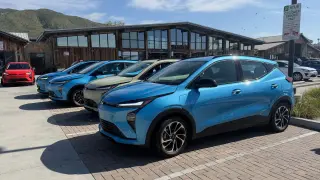
GM Leans on LMR Over LFP for High-Volume EVs

GM signals a potential shift from lithium-iron-phosphate (LFP) to lithium manganese-rich (LMR) batteries for high-volume EVs, arguing LMR could match LFP’s cost while delivering higher energy density; however, LMR still must prove itself outside the lab before mass production. The Chevy Bolt will keep LFP through 2027, Ford is also pursuing LMR, and GM plans U.S. production of LMR cells by 2028, alongside separate sodium-ion efforts for grid storage.

Ford bets on race-inspired design to cut EV costs and hit $30k
business4 months ago

Ford bets on race-inspired design to cut EV costs and hit $30k

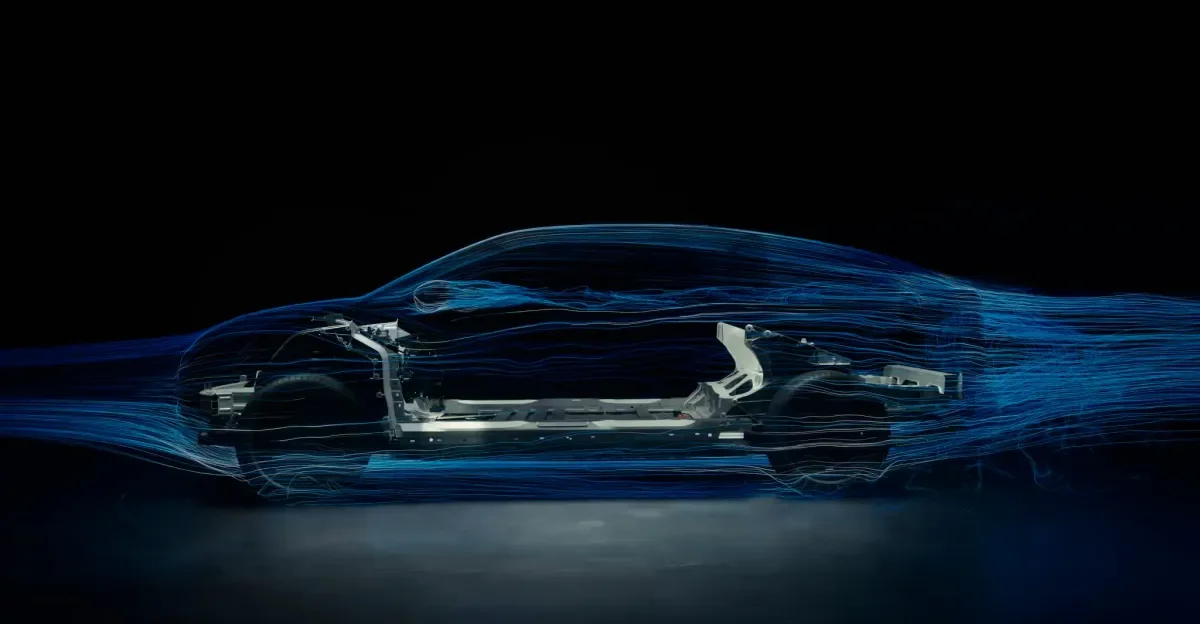
Ford is pursuing a low-cost, high-efficiency electric-vehicle strategy by building a universal platform, retrimming parts, and adopting Formula 1–style aerodynamics. A California skunkworks team led by ex-Tesla engineer Alan Clarke is simplifying the vehicle, using two aluminum castings for the body, a compact in-house electrical architecture, and a Michigan-made LFP battery from CATL to cut cost and weight. Aerodynamic tweaks—such as teardrop rooflines and smoother underbody—are expected to add range and efficiency, with a $30,000 mid-size pickup due in 2027 as the first test of the approach to outcompete cheaper Chinese EVs. The project marks a major shift after Ford’s prior EV setbacks.

Ford bets on a budget-friendly EV platform to outlast physics and profit
technology5 months ago

Ford bets on a budget-friendly EV platform to outlast physics and profit

Ford is pivoting from costly, oversized EVs like the F-150 Lightning to a family of affordable electric vehicles built on a Universal EV Platform (UEV), led by a Silicon Valley skunkworks team. The plan focuses on efficiency and cost, using a bounty system to quantify micro-optimizations (weight, drag, etc.), adopting lighter aluminum components, cheaper lithium‑iron‑phosphate (LFP) batteries, and a zonal architecture with an integrated E‑Box to cut wiring and parts. Ford aims for a $30,000 midsize EV in 2027 and is moving toward mass production with tighter supply‑chain control, even if it means 400‑volt systems over the faster 800‑volt setups to maintain flexibility and battery compatibility.

GM and LG to Expand Tennessee Plant for Cost-Effective EV Batteries
business1 year ago

GM and LG to Expand Tennessee Plant for Cost-Effective EV Batteries

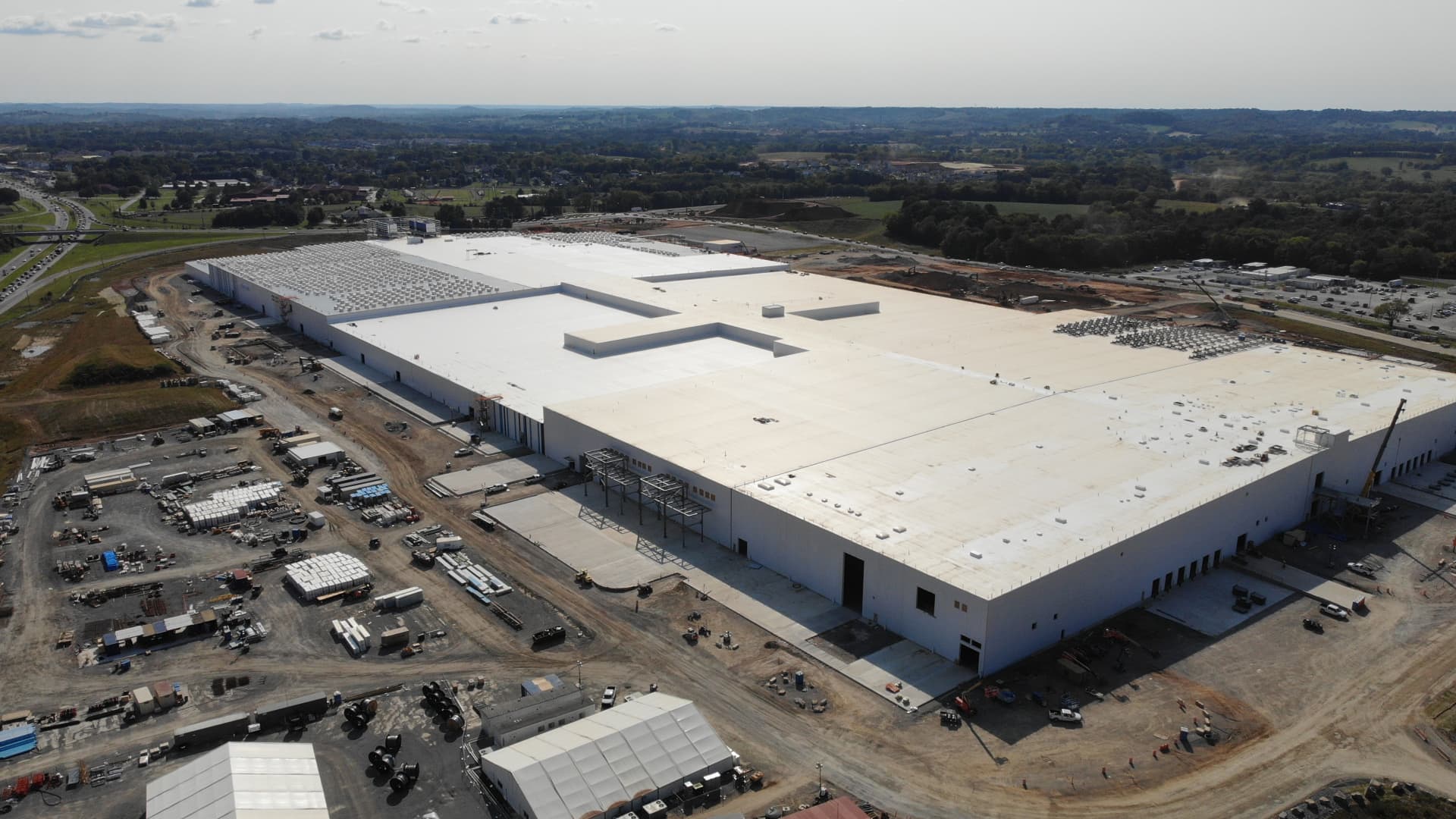
General Motors and LG Energy Solution are upgrading their Tennessee plant to produce low-cost lithium iron phosphate (LFP) EV batteries, which are cheaper and do not require expensive minerals like cobalt and nickel. The move aims to diversify GM's EV battery portfolio and is expected to start commercial production by late 2027, supporting GM's goal to offer only EVs by 2035.

Tesla's Iron-Based Batteries to Revolutionize EV Affordability.
technology3 years ago

Tesla's Iron-Based Batteries to Revolutionize EV Affordability.

Tesla plans to use iron-based batteries, specifically lithium iron phosphate (LFP) technology, in an affordable electric vehicle and a semi heavy electric truck. LFP batteries are cheaper and less of a fire hazard than the nickel-based batteries currently used by Tesla. The company plans to use LFP batteries on short-range Semi light trucks and small electric vehicles, and eventually on the Model 3 and Model Y. Chinese suppliers dominate the LFP industry, but LG Energy Solution plans to manufacture them at a proposed factory in Arizona.