Tag

Loot Boxes

All articles tagged with #loot boxes

EU PEGI Tightens Age Rules for Loot Boxes, NFTs and More
technology27 days ago

EU PEGI Tightens Age Rules for Loot Boxes, NFTs and More

From June 2026, PEGI will assign minimum ages for interactive-risk features: loot boxes default to PEGI 16 (up to 18), time- or quantity-limited offers to PEGI 12, NFTs/blockchain features to PEGI 18, and online chat with no moderation to PEGI 18; games with daily rewards must be PEGI 7 (rising to 12 if returning players face punishment). Applies to new submissions only; existing titles aren’t affected, with EA Sports FC cited as a potential example if loot boxes remain in the game.

PEGI flags loot boxes with 16+ rating across Europe and the UK
technology29 days ago

PEGI flags loot boxes with 16+ rating across Europe and the UK

PEGI will assign a default PEGI 16 rating to games that include paid random items (loot boxes) across Europe, including the UK, starting from June, with some titles potentially rising to 18. Other changes tier time-limited systems (paid battle passes) to PEGI 12, NFTs to PEGI 18, and “play-by-appointment” mechanics like daily quests to PEGI 7 (rising to 12 if content is punitive). Games lacking player reporting or blocking will be rated PEGI 18. The policy applies to new releases from June and won’t retroactively change existing titles. The UK has not changed the Gambling Act, though guidance from industry groups advocates parental controls; experts say the impact depends on parents heeding the ratings.

PEGI Overhauls Ratings to Target Loot Boxes and Daily Rewards
technology1 month ago

PEGI Overhauls Ratings to Target Loot Boxes and Daily Rewards

PEGI unveiled a sweeping update to its age-rating rules aimed at curbing loot boxes, microtransactions, NFTs, and play-by-appointment mechanics like daily rewards. Under the changes, NFTs or blockchain features trigger PEGI 18; paid time-limited offers can push to 12 (and paid random items often to 16); play-by-appointment mechanics may be rated 7 unless non-return penalties push it to 12; completely unrestricted online communication could be rated 18. The rules take effect June 2026, likely lifting games such as EA Sports FC titles to PEGI 16 or higher in Europe.

Valve pushes back on NYAG suit over mystery boxes, defense hinges on transferable cosmetic items
technology1 month ago

Valve pushes back on NYAG suit over mystery boxes, defense hinges on transferable cosmetic items

Valve defends its mystery boxes in Counter-Strike 2, Dota 2, and Team Fortress 2 against a New York Attorney General lawsuit, arguing the items are cosmetic, transferable, and not illegal gambling. It rejects NYAG’s proposed restrictions—such as removing transferability and mandating invasive extra user data—while citing anti-fraud efforts (locking over a million accounts, trade protections) and noting it would only comply with future NY laws. A separate PRS music-rights lawsuit against Valve is also noted in the piece.

Loot boxes push PEGI 16 as Europe tightens game age ratings
gaming1 month ago

Loot boxes push PEGI 16 as Europe tightens game age ratings

From June, PEGI will rate games that include paid random items (loot boxes) at PEGI 16, with related rules covering in-game purchases, time- or quantity-limited offers, online communication, and incentives to revisit (such as daily quests). NFTs-linked purchases can be rated 18; if spending controls are off by default, a game could be rated 7 for in‑game purchases. The changes aim to reflect online risks and parental controls, align PEGI with Germany’s USK, and may shift ratings for upcoming titles, following industry consultation and regulatory trends.

Valve Defends Loot Boxes, Calls NYAG Suit Overreach
technology1 month ago

Valve Defends Loot Boxes, Calls NYAG Suit Overreach

Valve publicly pushed back against New York’s lawsuit alleging loot boxes in games like Counter-Strike, Dota 2, and Team Fortress 2 amount to gambling. In a detailed Steam post, Valve argued the boxes are cosmetic, comparable to real‑world blind purchases, and not prohibited by current NY law. It said it has cooperated with the AG’s investigation, shut down over a million accounts tied to gambling, and defends the transferability of digital items. Valve criticized the AG’s demanded changes as beyond existing law, stressed it would comply with any new NY legislation, and noted that a court will decide the dispute while reiterating concerns about data collection and anti-gaming rhetoric.

EU PEGI overhauls ratings, signaling potential jump for EA Sports FC over loot boxes and paid content
technology1 month ago

EU PEGI overhauls ratings, signaling potential jump for EA Sports FC over loot boxes and paid content

Europe’s PEGI is introducing four new criteria in June to curb addictive design, unmonitored online communication, and paid content like loot boxes and, in some cases, NFT-linked purchases. The changes could lift games such as EA Sports FC (currently PEGI 3 with an in-app purchases warning) to PEGI 16, with a PEGI 7 option only if spending is off by default. NFTs could push some titles to PEGI 18, while unrestricted online chat could also trigger an 18 rating. First ratings under the new regime are expected later this summer.

Valve Defends Loot Boxes, Draws Card-Pack Parallels in NY Lawsuit Response
news1 month ago

Valve Defends Loot Boxes, Draws Card-Pack Parallels in NY Lawsuit Response

Valve responded to the New York attorney general’s lawsuit by defending its loot boxes as cosmetic and likening them to real‑world card packs (baseball, Pokémon), arguing players can enjoy games without paying and noting steps taken to curb gambling on Steam; it also opposes transferring digital items and rejects a link between games and real‑world violence.

Valve defends loot boxes as widely used and transferable amid NY lawsuit
technology1 month ago

Valve defends loot boxes as widely used and transferable amid NY lawsuit

Valve responded to the New York Attorney General’s lawsuit by arguing that digital loot boxes are widely used and transferable, comparable to physical collectibles, and do not violate gambling laws since items are cosmetic. It highlighted anti-gambling efforts (blocking gambling sites, fraud protection, trade cooldowns) and said it would comply with future NY laws but opposes removing transferability. The case will be decided by the courts.

Is Valve’s Loot Box Business Gambling? New York’s Legal Challenge
technology1 month ago

Is Valve’s Loot Box Business Gambling? New York’s Legal Challenge

New York has filed a lawsuit arguing Valve’s loot boxes and Steam Marketplace amount to illegal gambling due to the potential value of randomized digital items. The case hinges on whether those cosmetic drops qualify as “something of value” that players can exchange or cash out, with Valve’s resale market on Steam Wallet strengthening the claim. Legal experts say the tests for gambling (payment, chance, value) are not easily satisfied in the digital realm, and courts tend to be cautious with novel arguments, making a conviction unlikely but the case notable for exploring regulatory risk around digital items and third‑party marketplaces.

New York sues Valve over loot-box gambling through Steam
policy1 month ago

New York sues Valve over loot-box gambling through Steam

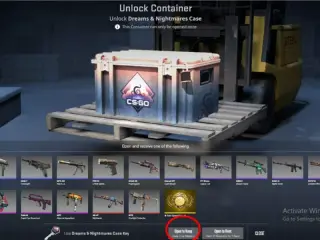
New York Attorney General Letitia James filed a lawsuit against Valve, arguing its randomized loot boxes in games like Counter-Strike 2, Dota 2, and Team Fortress 2 amount to unregulated gambling, since players can resell valuable virtual items via the Steam Marketplace or third‑party sites; the suit also targets Valve’s cash‑out practices and seeks restitution, penalties, and changes to the loot‑box system.

New York accuses Valve of turning loot boxes into gambling
gaming1 month ago

New York accuses Valve of turning loot boxes into gambling

New York Attorney General Letitia James filed a lawsuit against Valve, accusing its loot-box systems in Counter-Strike 2, Team Fortress 2, and Dota 2 of illegally promoting gambling; the state seeks to permanently stop gambling features, disgorge ill-gotten gains, and impose fines. The lawsuit notes players pay about $2.49 per loot-box key, often receiving items worth less than the key, with rarer items worth thousands, and argues the mechanic resembles a slot machine — a concern given its appeal to minors. Valve has not immediately commented.

N.Y. Sues Valve Over Loot-Box Gambling Ties to Teen Players
technology1 month ago

N.Y. Sues Valve Over Loot-Box Gambling Ties to Teen Players

New York Attorney General Letitia James filed a lawsuit against Valve Corp., alleging its loot-box system in popular games such as Counter-Strike 2, Team Fortress 2, and Dota 2 promotes illegal gambling by charging players to open containers for randomly awarded cosmetic items that can be sold for cash, with some items fetch­ing millions. The lawsuit seeks to stop the gambling features, disgorgement of ill‑gotten gains, and fines, citing addiction risks for youths and the ease of cashing out via Valve’s Steam marketplace and third-party sites.

Dean Hall Criticizes Valve's Gambling Monetization in Games
technology5 months ago

Dean Hall Criticizes Valve's Gambling Monetization in Games

Dean Hall criticizes Valve for its use of gambling-like mechanics in games, such as loot boxes in Counter-Strike 2, which fuel a large marketplace and betting activity. He advocates for more transparency and alternative monetization models, like the free-to-play approach with optional contributions, exemplified by his upcoming game Kitten Space Agency, aiming to find better ways to fund game development without exploiting players.

Top Mobile Games Under Fire for Undisclosed Loot Boxes
technology1 year ago

Top Mobile Games Under Fire for Undisclosed Loot Boxes

A BBC investigation reveals that most top-grossing mobile games in the UK are not disclosing the presence of loot boxes in their advertisements, despite regulations requiring transparency. Loot boxes, which critics liken to gambling, are said to exploit consumers and foster addiction, particularly among vulnerable groups like children. The Advertising Standards Authority (ASA) is monitoring compliance, but critics argue it lacks enforcement power. The gaming industry has been slow to self-regulate, with many games still not clearly indicating loot box content, raising concerns about the normalization of gambling-like activities for young players.