Tag

Mammograms

All articles tagged with #mammograms

AI Finds Heart-Disease Clues in Routine Mammograms, Increasing Risk Estimates by Up to 70%
science-health1 month ago

AI Finds Heart-Disease Clues in Routine Mammograms, Increasing Risk Estimates by Up to 70%

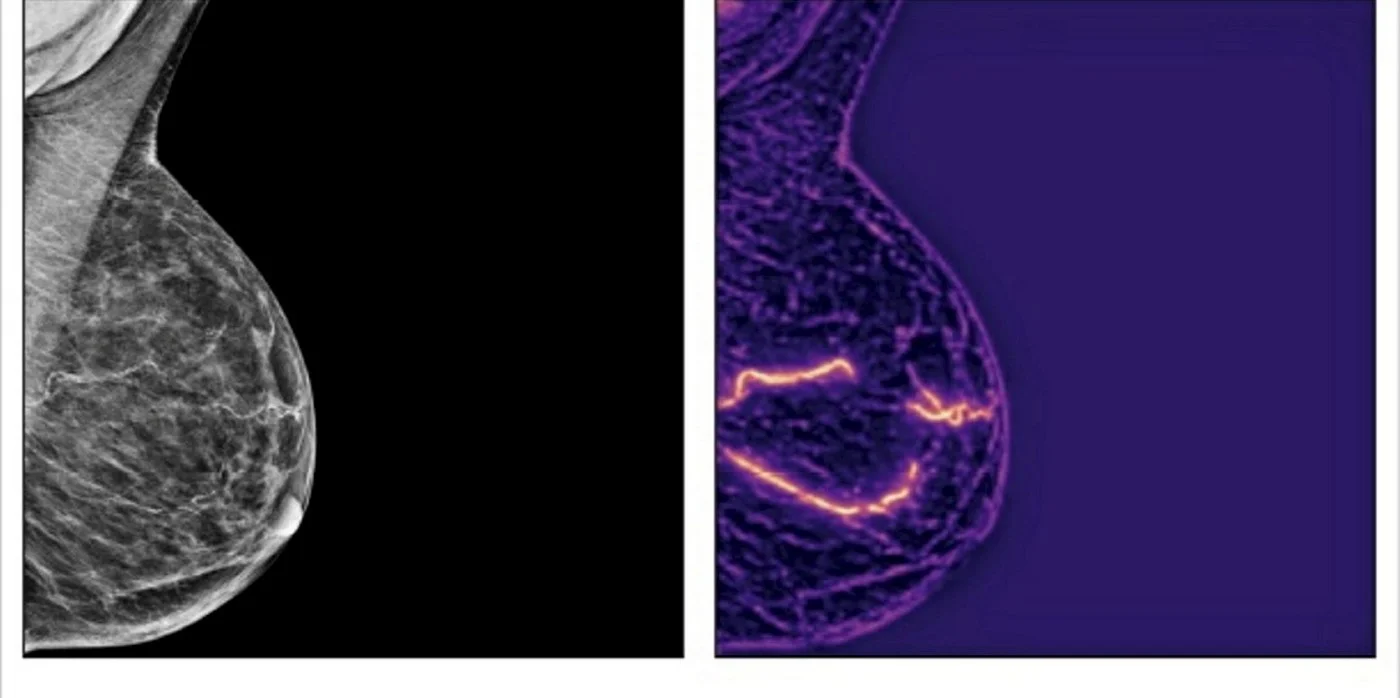
A large study finds AI can read breast arterial calcification on routine mammograms to predict cardiovascular risk in women, with mild, moderate, and severe calcifications linked to 30%, 70%, and 2–3 times higher risk, respectively, suggesting screening programs could double as heart-disease risk tools.

AI Turns Mammograms Into Early Warnings for Women’s Heart Health
health1 month ago

AI Turns Mammograms Into Early Warnings for Women’s Heart Health

A European Heart Journal study shows that artificial intelligence can quantify breast artery calcification on routine mammograms to flag women at higher risk of heart disease, potentially enabling a scalable dual-use screening tool. While promising, researchers stress the approach should complement—not replace—standard cardiovascular risk monitoring, and further trials are planned to validate how BAC scores might inform prevention and treatment.

Debunking Myths and Facts About Breast Cancer Screening and Awareness
health5 months ago

Debunking Myths and Facts About Breast Cancer Screening and Awareness

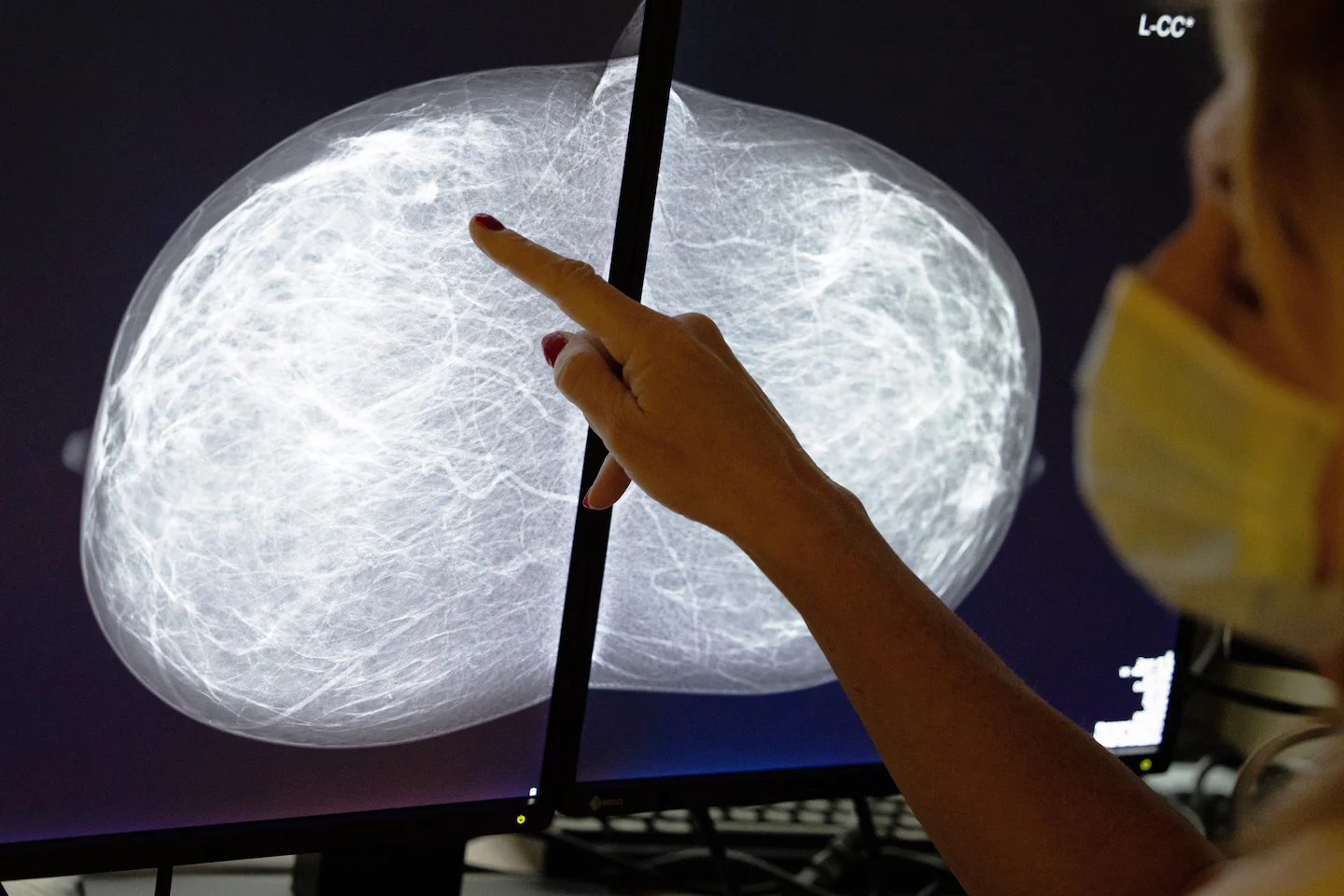
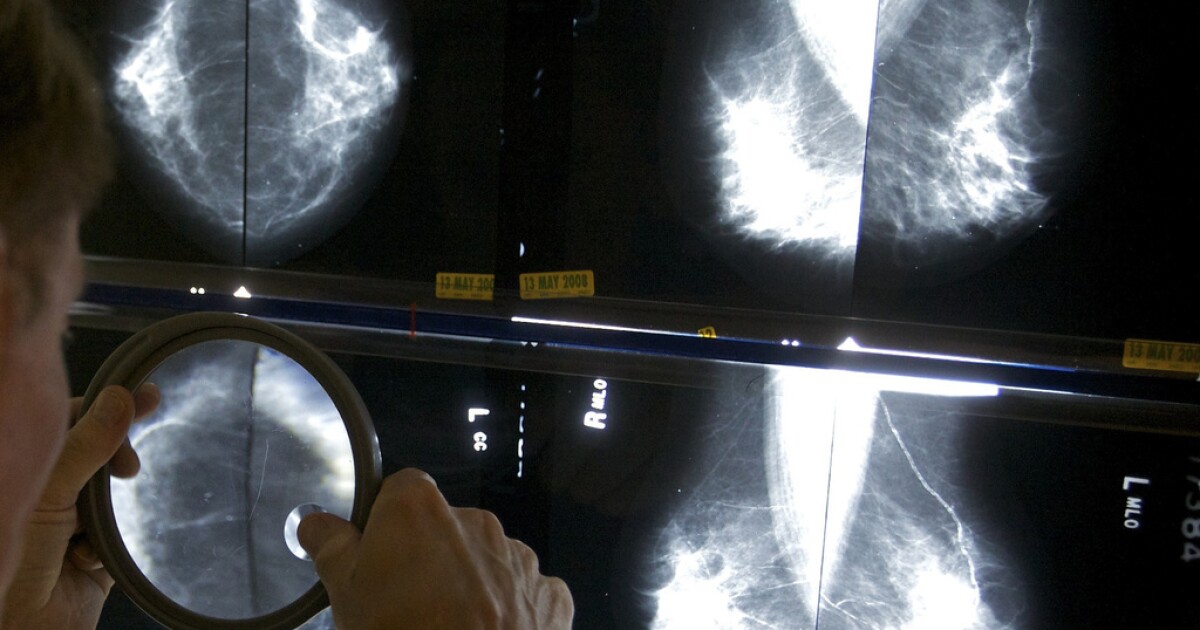
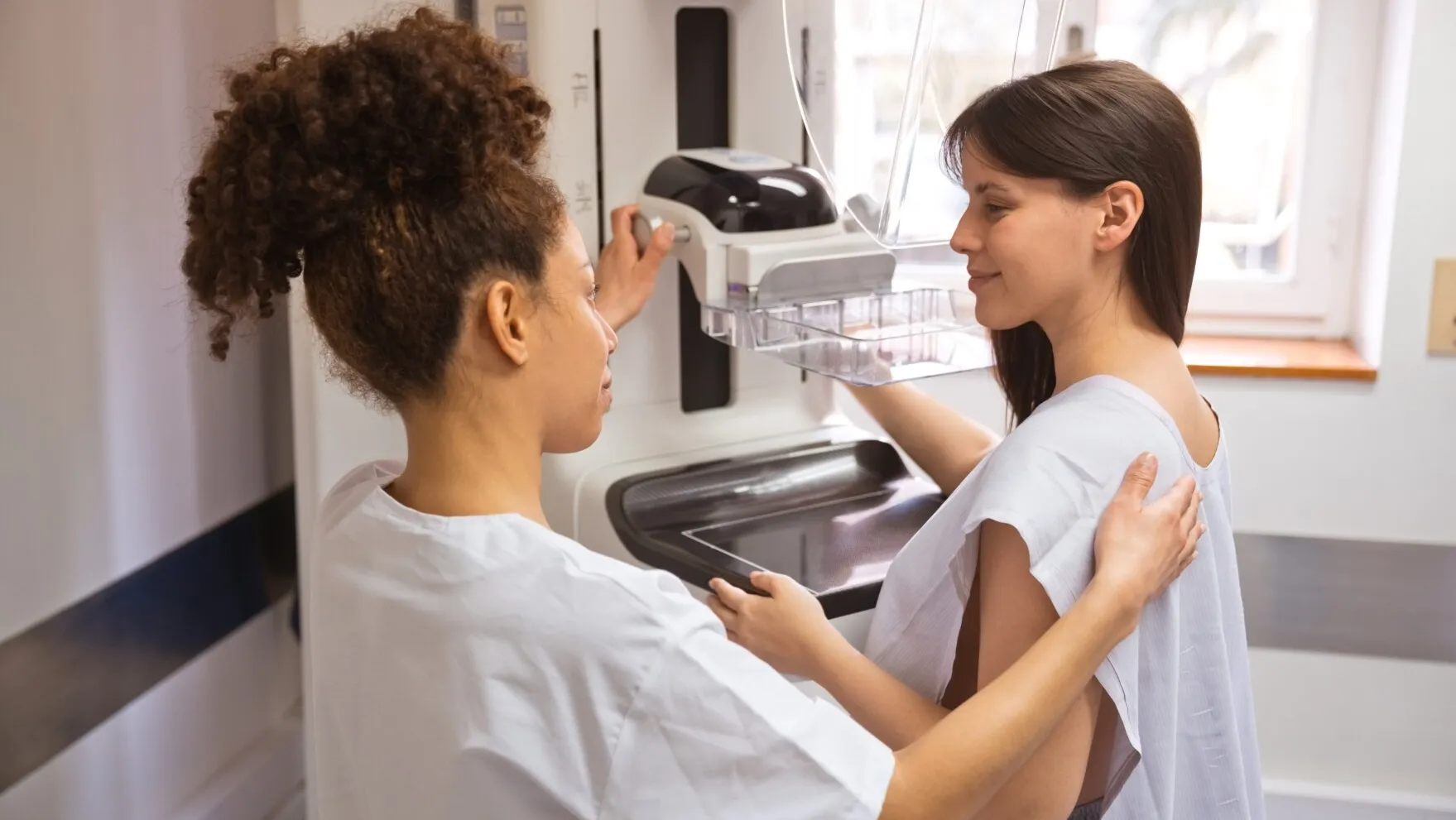
Mammograms are the only proven screening method to reduce breast cancer deaths in average-risk women, and regular screening is essential for all women, not just those with a family history. Common misconceptions, such as the belief that lumps are the earliest sign or that breast size affects risk, are debunked. Mammograms are safe, effective, and crucial for early detection, with no safe alternatives replacing them. Breast biopsies are safe and vital for accurate diagnosis, emphasizing the importance of regular screenings for women's health.

Lobular Breast Cancer Cases Increasing in the U.S.
health6 months ago

Lobular Breast Cancer Cases Increasing in the U.S.

A new report highlights that invasive lobular carcinoma, a harder-to-detect and increasingly common form of breast cancer, now accounts for over 10% of cases in the US, with rising rates especially among women under 50 and Asian American women. Despite its subtle growth pattern making it harder to spot on mammograms, early detection through comprehensive screening can lead to a high survival rate, emphasizing the importance of regular screening and awareness.

Advances in Breast Imaging Improve Detection for Dense Breast Tissue
health6 months ago

Advances in Breast Imaging Improve Detection for Dense Breast Tissue

Breast density, which affects about 40% of women and is now reported on mammogram results due to new federal laws, is a significant factor in breast cancer detection and risk. Dense breast tissue makes tumors harder to detect on mammograms and increases the risk of developing breast cancer by 2 to 3 times. Women with dense breasts should consider additional screening methods like ultrasound or MRI, especially if they have other risk factors. Lifestyle choices such as limiting alcohol, maintaining a healthy weight, and staying active can help reduce breast cancer risk.

14 Essential Health Screenings for Those Over 40
health9 months ago

14 Essential Health Screenings for Those Over 40

Women over 40 should undergo 14 essential health screenings, including mammograms, blood pressure checks, cardiovascular exams, pap smears, eye and ear exams, colonoscopies, bone density tests, immunizations, diabetes screenings, hormone checks, lipid panels, skin checks, mental health screenings, and thyroid exams to detect and prevent serious health issues early.

Oncologists' Advice on Tackling Kansas' Breast Cancer Surge
health1 year ago

Oncologists' Advice on Tackling Kansas' Breast Cancer Surge

Breast cancer rates are rising, particularly among younger women, according to the American Cancer Society. Experts emphasize the importance of early detection through regular mammograms, which can significantly improve treatment outcomes. Despite differing guidelines, the consensus is that women should be familiar with their bodies and seek mammograms as recommended. Lifestyle factors like diet and exercise can also influence breast cancer risk. Advances in screening and treatment have contributed to a 44% decline in mortality rates since 1989, highlighting the importance of early detection and tailored treatments.

"Debate on Mammogram Timing for Women in Their 40s"
health1 year ago

"Debate on Mammogram Timing for Women in Their 40s"

The U.S. Preventive Services Task Force now recommends mammograms every other year for women aged 40 to 74, shifting from the previous starting age of 50. New research highlights the importance of educating women in their 40s about both the benefits and harms of mammography, such as false positives and unnecessary treatments. This education led more women to opt for delaying screening until age 50. Experts advocate for personalized screening plans based on individual risk factors and shared decision-making between patients and clinicians.

"New Federal Guidelines Lower Mammogram Starting Age to Save Lives"
health1 year ago

"New Federal Guidelines Lower Mammogram Starting Age to Save Lives"

The U.S. Preventive Services Task Force now recommends that women start getting mammograms at age 40, ten years earlier than previously advised, due to rising breast cancer diagnoses in women under 50. Early detection is crucial for better outcomes, and women should consult their doctors to determine the best screening schedule for their individual health needs.

"Medicare's Refusal to Cover Additional Breast Scans Leaves Some Older Women at Risk"
health2 years ago

"Medicare's Refusal to Cover Additional Breast Scans Leaves Some Older Women at Risk"

Medicare does not cover supplemental ultrasound or M.R.I. scans for older women with dense breast tissue, leaving some patients to pay for the extra scans out of pocket, despite the fact that these additional scans are often necessary to detect tumors that mammograms may miss. This has led to frustration and confusion among patients, as they believe these scans are essential for early cancer detection, especially for those with a family history of breast cancer.