Tag

Mantle Plume

All articles tagged with #mantle plume

Ancient plate stresses, not a plume, power Yellowstone
science19 hours ago

Ancient plate stresses, not a plume, power Yellowstone

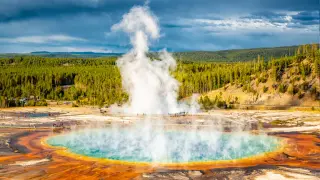
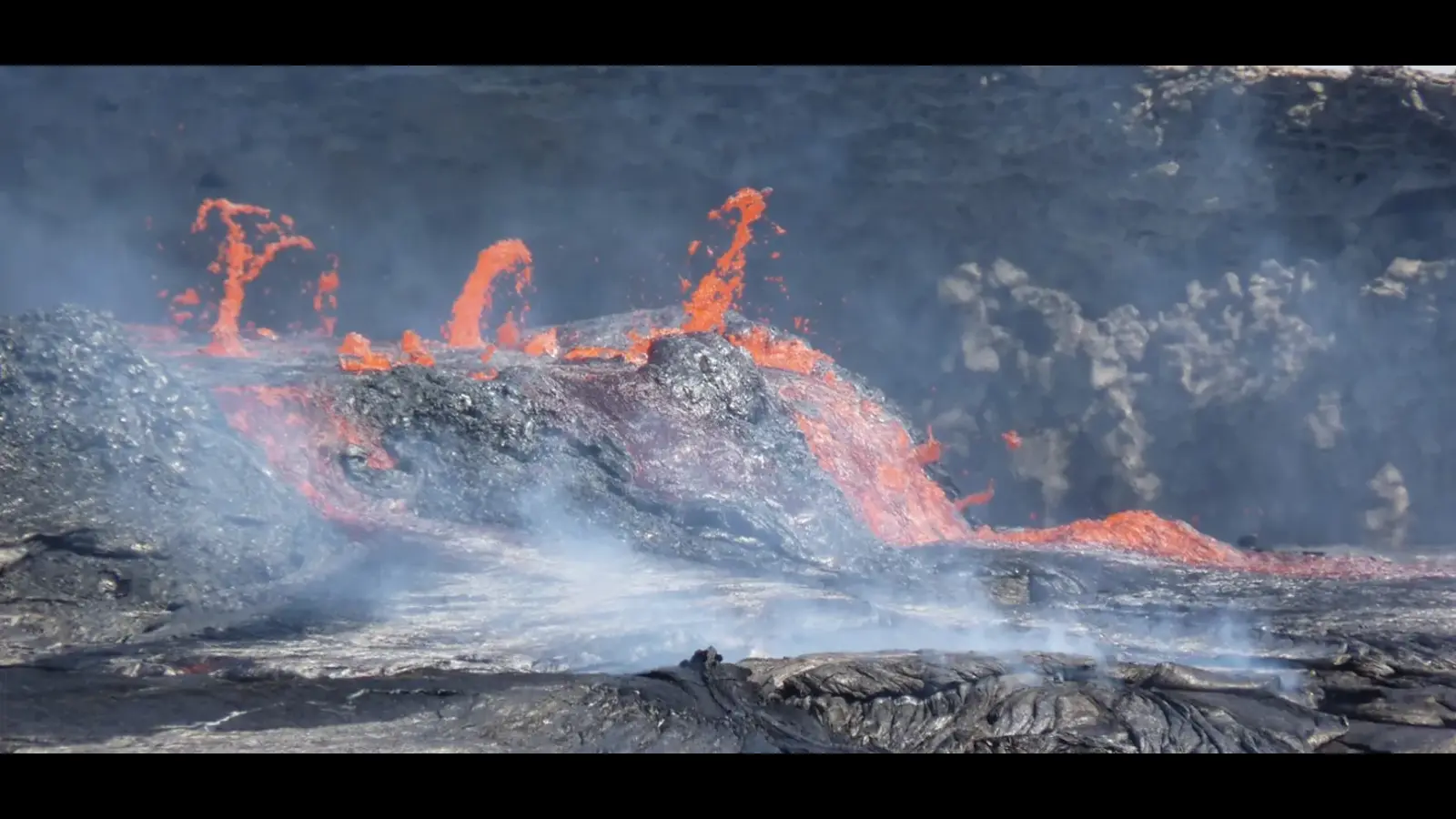
A new Science paper argues Yellowstone’s volcanism isn’t driven by a fixed mantle plume but by stresses from the vanished Farallon plate under North America. The geophysical model describes a translithospheric magma plumbing system with two branches feeding the Yellowstone caldera and the Snake River Plain; the crust’s geometry and mantle flow create conduits for molten material, explaining two different styles of volcanism at a single hotspot. While the approach links Yellowstone to historical plate movements, it remains a present‑day snapshot and leaves questions about history and why Yellowstone is unique still open.

Hidden Mantle Plume Could Be Nudging Mars to Spin Faster
space14 days ago

Hidden Mantle Plume Could Be Nudging Mars to Spin Faster

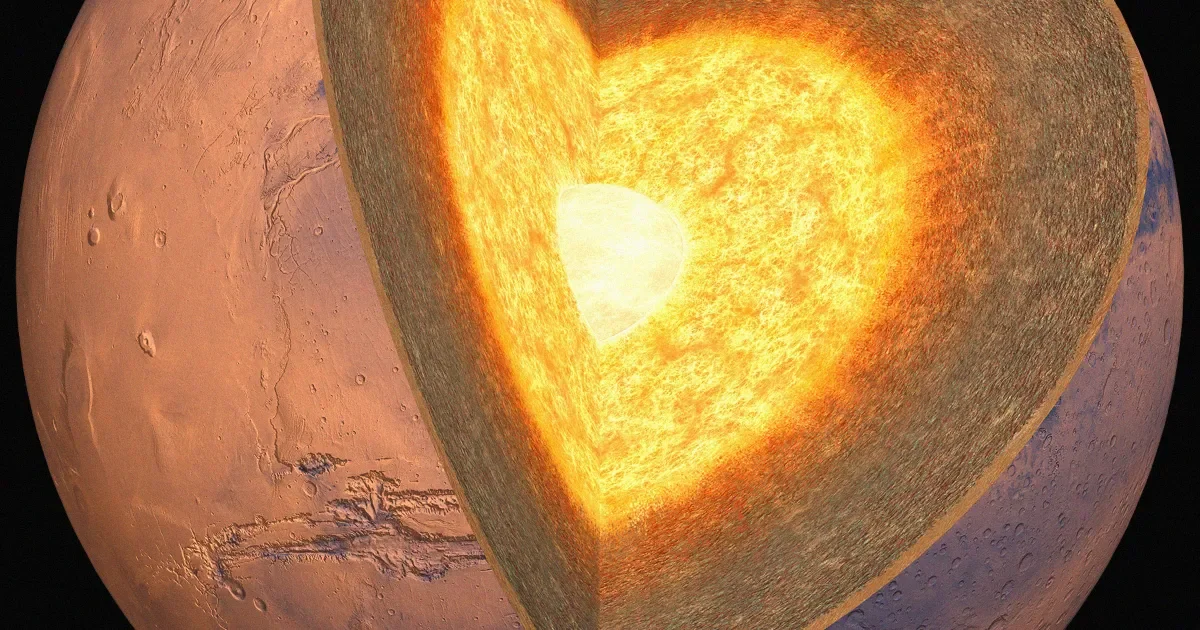
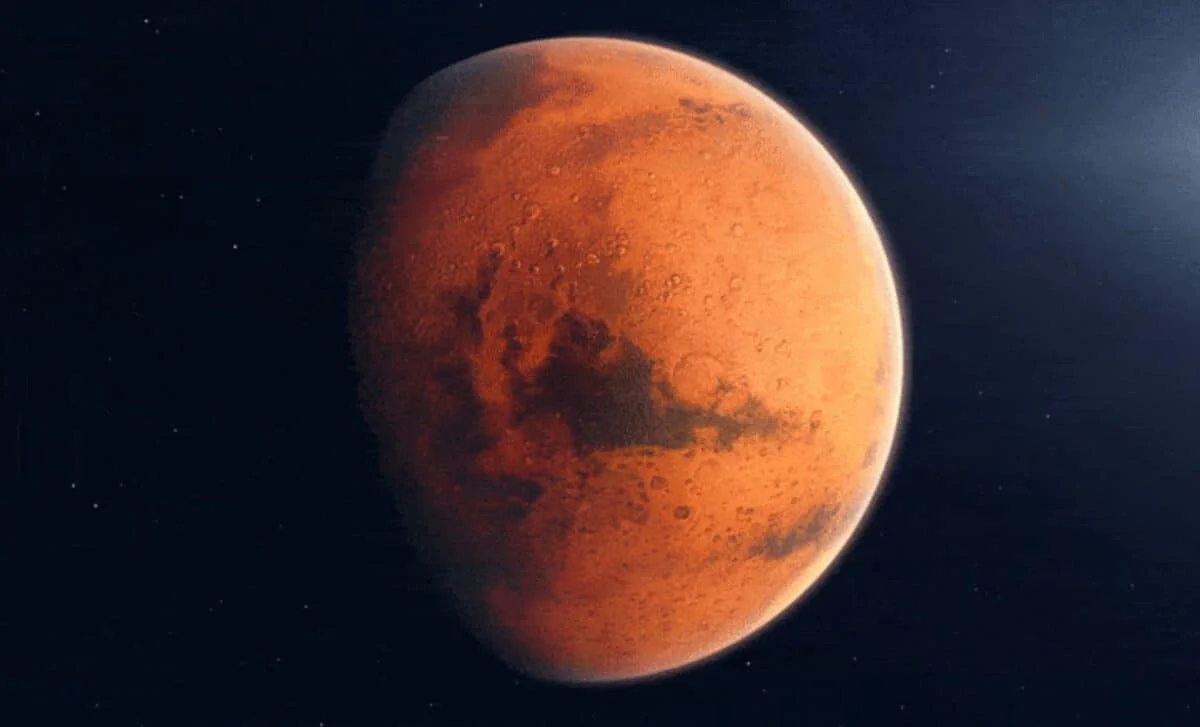
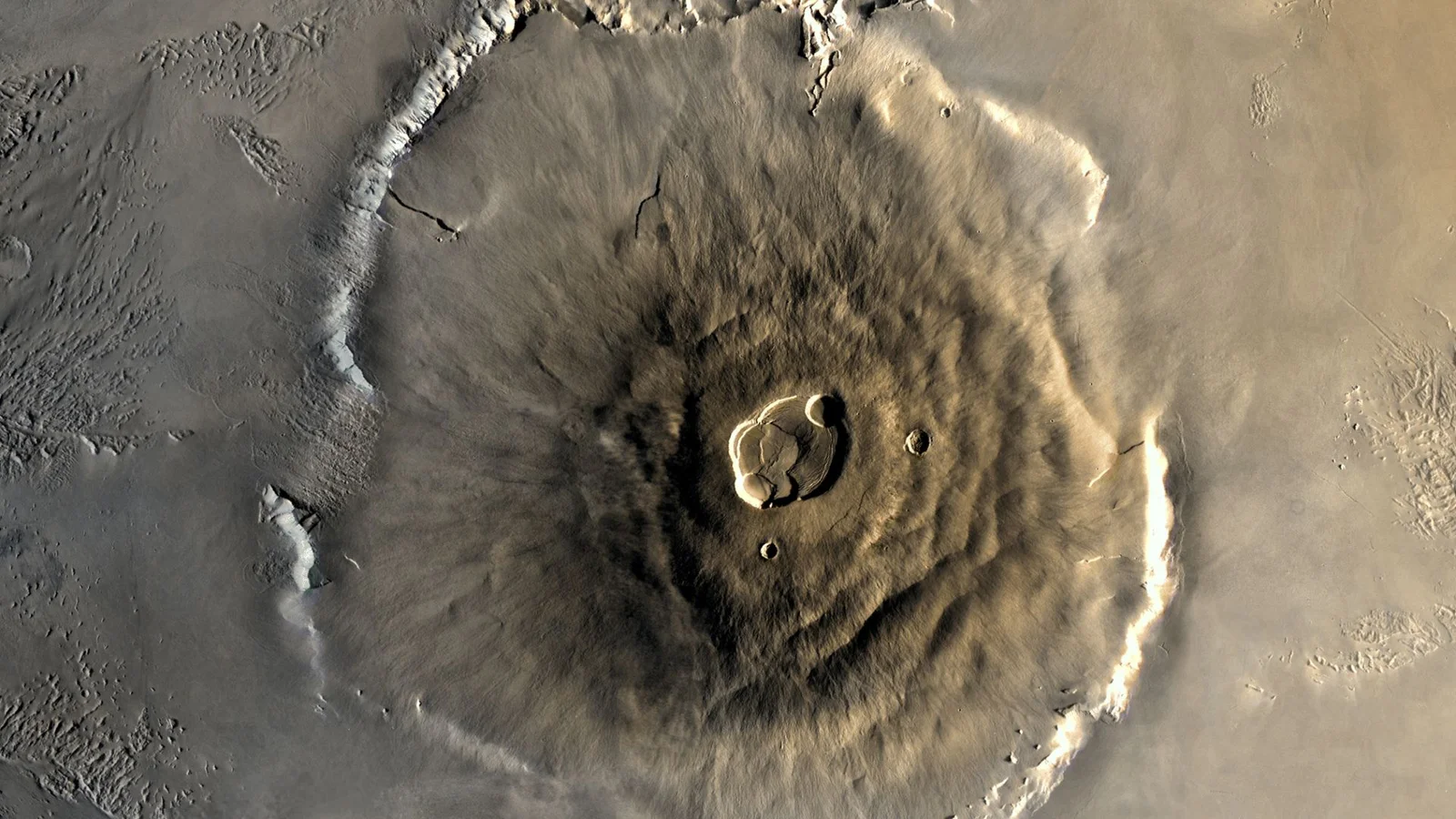
NASA’s InSight data, compared with Viking measurements, indicate Mars’s day is shortening slightly over time; Delft University researchers propose a buried, buoyant mantle plume—an equatorial negative mass anomaly—that could push lighter material upward while denser material moves downward, speeding Mars’ rotation and potentially triggering volcanism, a finding that points to a more active interior and strengthens the case for a dedicated gravity mission to study Mars’ interior.

Deep Interior Plume Nudges Mars to Spin Up
science16 days ago

Deep Interior Plume Nudges Mars to Spin Up

A study using NASA’s InSight data and Viking observations finds Mars’ day length is shortening very slightly, resulting in a rotation speed-up of about 70 microseconds per year. Researchers propose a deep underground negative mass anomaly beneath the Tharsis region is rising, creating melt pockets and moving heavier material toward the rotation axis, which would speed up the planet’s spin and suggests a more active interior with more internal heat than previously thought.

Shifting plates and a mantle plume carved the Atlantic’s 500-km canyon
science1 month ago

Shifting plates and a mantle plume carved the Atlantic’s 500-km canyon

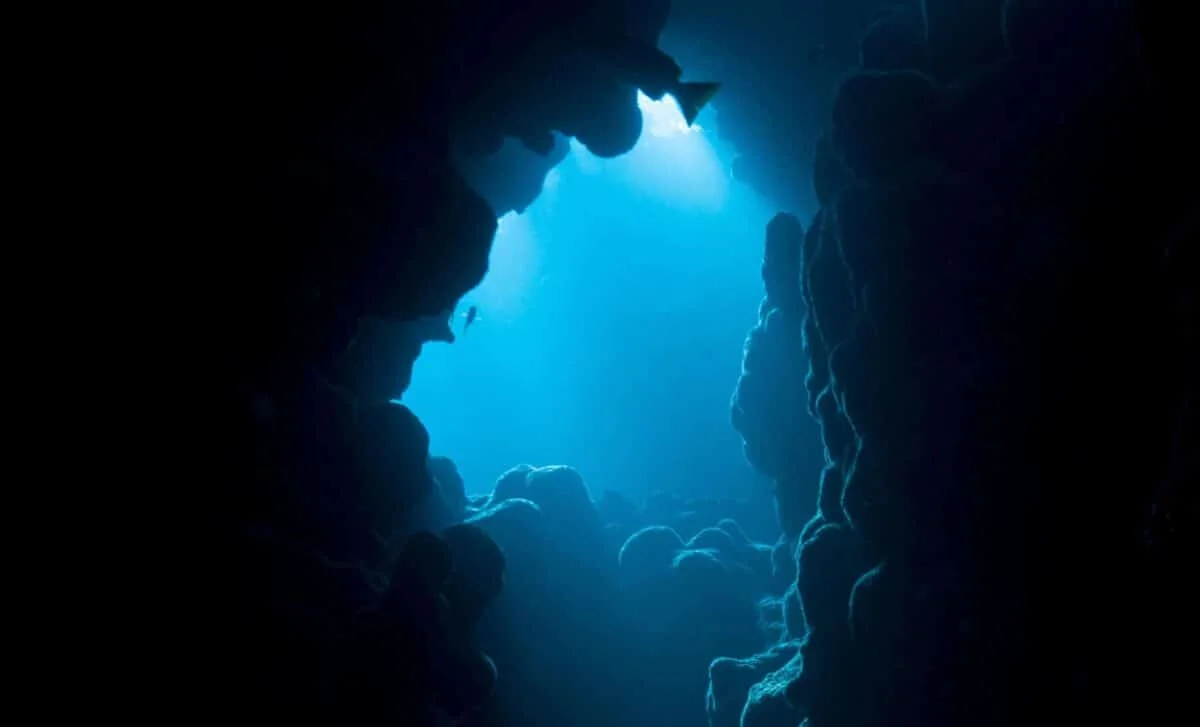
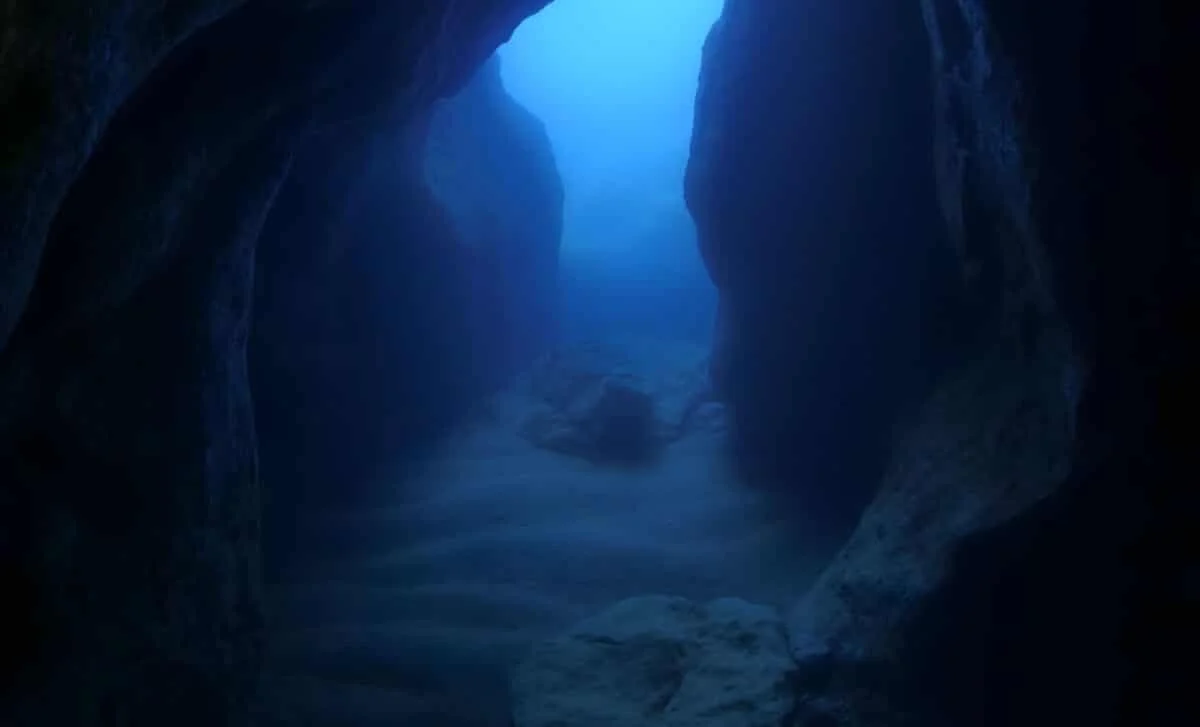
Geoscientists mapped the King’s Trough, a 500-kilometer canyon-like feature about 1,000 km off Portugal, and concluded it formed around 37–24 million years ago due to a transient plate boundary that fractured the seafloor. A hot mantle plume likely weakened the crust, aiding tectonic forces; the boundary later migrated south toward the Azores, with the finding supported by high-resolution mapping and volcanic rock analysis and suggesting parallels with the Terceira Rift.

Mantle Plume and Transient Boundary Carved the Atlantic's King's Trough
science1 month ago

Mantle Plume and Transient Boundary Carved the Atlantic's King's Trough

New mapping and rock analyses show the 500‑km King’s Trough off Portugal formed 37–24 million years ago where a temporary plate boundary intersected a mantle plume, causing intense fracturing and basin formation but stopping short of a full seafloor‑spreading ridge; the plume likely connects to the Azores system, offering a living example of how such underwater canyons develop under tectonic and thermal forces.

500-KM Oceanic Canyon Traced to a Tectonic Zipper, Not Erosion
science2 months ago

500-KM Oceanic Canyon Traced to a Tectonic Zipper, Not Erosion

Scientists mapped the King’s Trough, a 500+ km underwater canyon in the North Atlantic, and determined it formed over millions of years by the slow separation of the European and African plates via a tectonic 'zipper,' aided by unusually thick, hot crust from the Azores mantle plume. The finding, reported after METEOR expedition data and high‑resolution sonar, links deep mantle processes to surface tectonics and reshapes how we think about underwater canyon formation.

Scientists Discover 'Ghost Plume' in Oman, Hinting at Possible Earth's Core Leak
science9 months ago

Scientists Discover 'Ghost Plume' in Oman, Hinting at Possible Earth's Core Leak

Scientists have discovered a mysterious 'ghost plume' of hot rock beneath eastern Oman, which suggests that Earth's core may be leaking heat faster than previously thought. This invisible mantle plume, detected through seismic wave analysis, does not produce surface volcanic activity due to a thick rock lid, but its existence could imply many more such plumes worldwide, impacting our understanding of Earth's internal heat distribution and tectonic processes.

Hidden Mantle Plume Detected Beneath Oman Could Explain India's Movement
science9 months ago

Hidden Mantle Plume Detected Beneath Oman Could Explain India's Movement

Scientists have identified a 'ghost' mantle plume beneath Oman, a hot rock column with no surface volcanic activity, which could reshape understanding of Earth's internal heat flow and geological processes. The discovery, based on seismic data and computer modeling, suggests the existence of similar hidden plumes worldwide, potentially impacting models of Earth's thermal evolution.

Kama'ehu: Hawai'i's Undersea Volcano Erupted Five Times in 150 Years
earth-science2 years ago

Kama'ehu: Hawai'i's Undersea Volcano Erupted Five Times in 150 Years

Researchers at the University of Hawai'i at Mānoa have discovered that the undersea volcano Kama'ehu has erupted at least five times in the past 150 years. This is the first time the ages of these eruptions have been estimated, shedding light on the growth and evolution of the volcano. The study also revealed that Kama'ehu's lava chemistry changes over a timescale of about 1200 years, in contrast to the more rapid changes observed in lava from the neighboring volcano Kīlauea. The findings provide insights into the behavior of Hawaiian volcanoes and the role of the mantle plume beneath the Hawaiian hotspot.