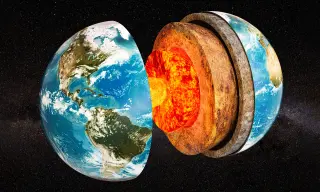
Researchers used the Z machine at Sandia National Laboratories to test if early Earth retained water during its molten phase, challenging the theory that all surface water arrived later via comets.
Scientists pulled a 1,268‑meter section from the Earth’s mantle during JOIDES Resolution Expedition 399, a milestone in Earth science. The mantle rocks show less pyroxene and more magnesium than expected, suggesting more melting in the mantle than previously thought and offering new clues about how magma forms and powers seabed volcanism. The findings also hint that olivine reacting with seawater could produce hydrogen, a potential piece of life’s origin puzzle. The team, led by Professor Johan Lissenberg, will continue analyses, with the study published in Science.
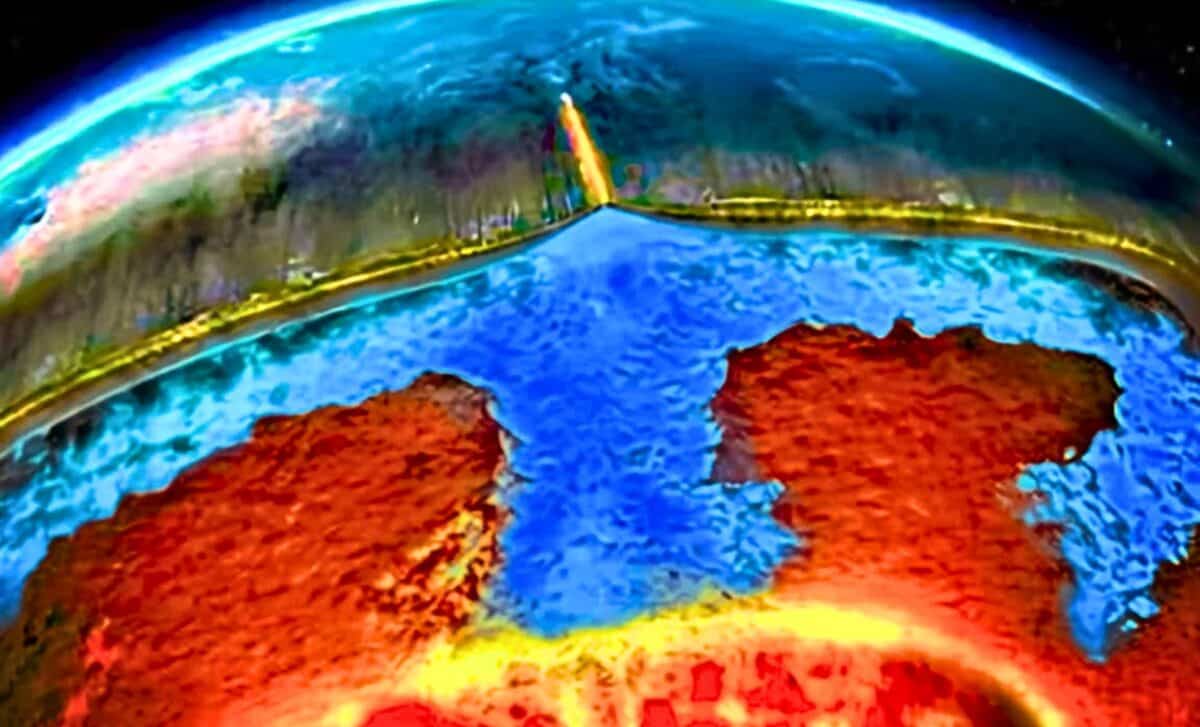
Scientists have identified a hidden mantle plume beneath eastern Oman, nicknamed the Dani plume, detected through seismic tomography. It rises through the mantle and heats rock enough to soften it but does not break through the crust or produce surface volcanism, classifying it as a 'ghost plume'. The plume extends at least 410 miles deep and about 125 miles wide, with a thermal signature that warps the mantle transition zone and even lifts surface terrain like Oman’s Salma Plateau. The researchers suggest such plumes can influence crustal motion (potentially nudging the Indian Plate about 40 million years ago) and may be part of a broader network of plumes connected to hotspots like Afar and Yellowstone, with implications for Earth's heat budget and deep‑Earth dynamics.
Scientists have discovered two massive structures beneath Africa and the Pacific, known as LLSVPs, which may be remnants of the ancient planet Theia that collided with Earth billions of years ago, potentially influencing Earth's geological activity and surface features.
A study suggests a massive hot rock formation called the Northern Appalachian Anomaly is moving towards New York City from deep beneath the Earth's crust, potentially explaining aspects of Earth's geological history and continental movement, but it won't reach NYC for another 15 trillion years.
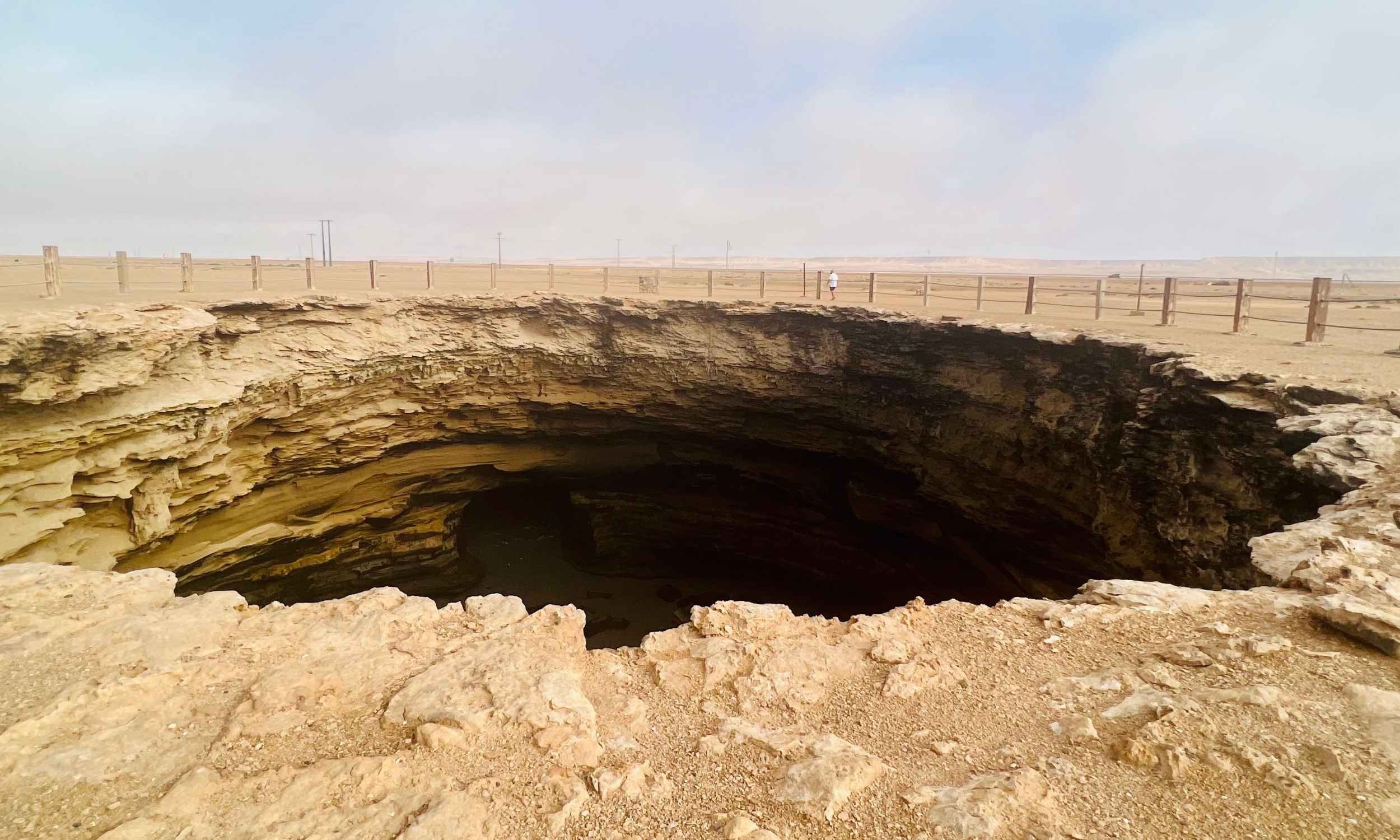
China is drilling a 6-mile-deep borehole in the Taklimakan Desert to study Earth's crust, tectonics, and ancient geological records, pushing the limits of drilling technology and expanding understanding of Earth's interior.
Scientists have discovered evidence suggesting that Earth's lower mantle may contain a massive, hidden water reservoir, potentially larger than all surface oceans combined, stored within mineral structures like bridgmanite, which could significantly impact our understanding of Earth's water cycle, planetary formation, and geological processes.
A new study suggests that the two massive structures beneath Earth's surface, known as LLSVPs, are remnants of the planet's early magma ocean, formed by chemical interactions with the core during Earth's formation, which could reshape our understanding of Earth's deep interior and its habitability.
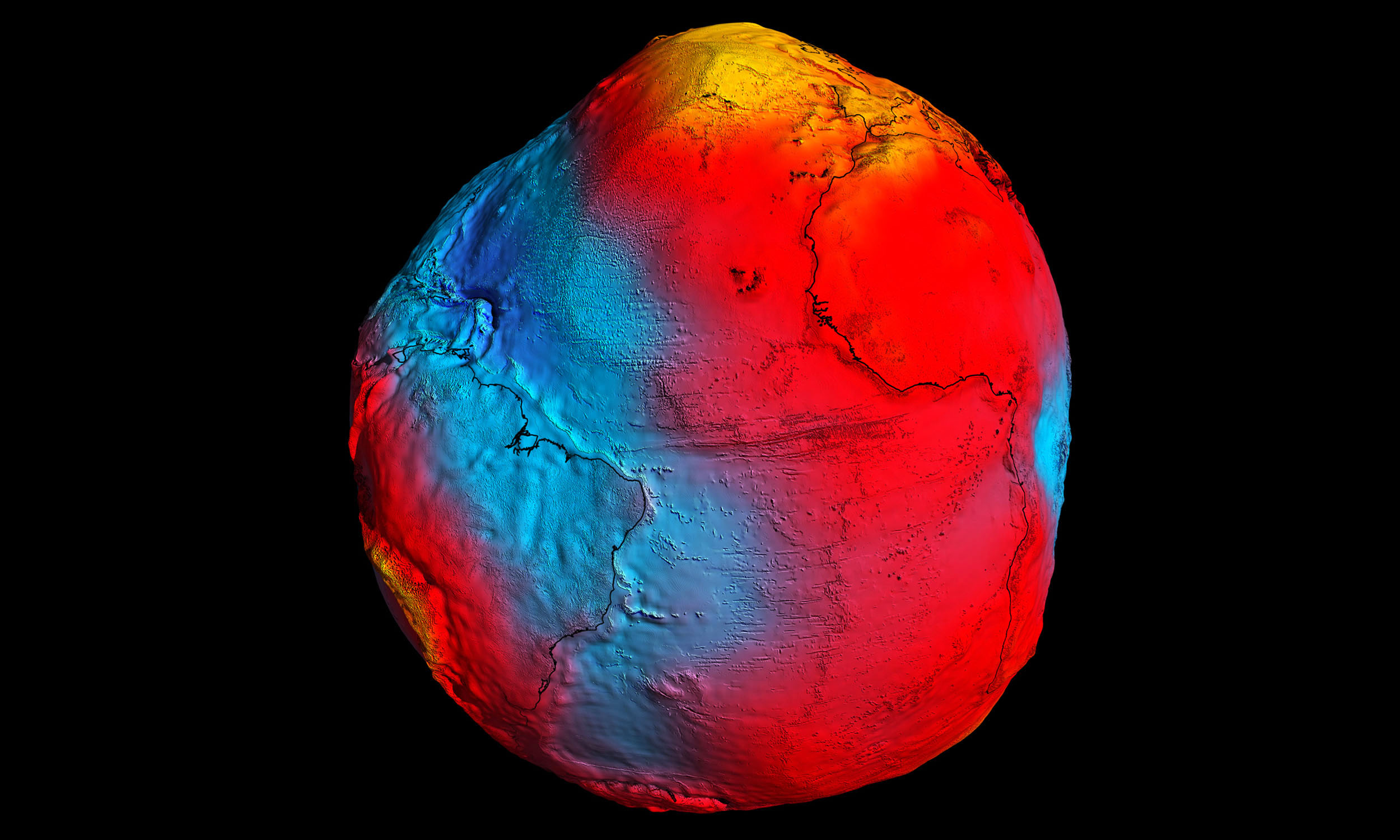
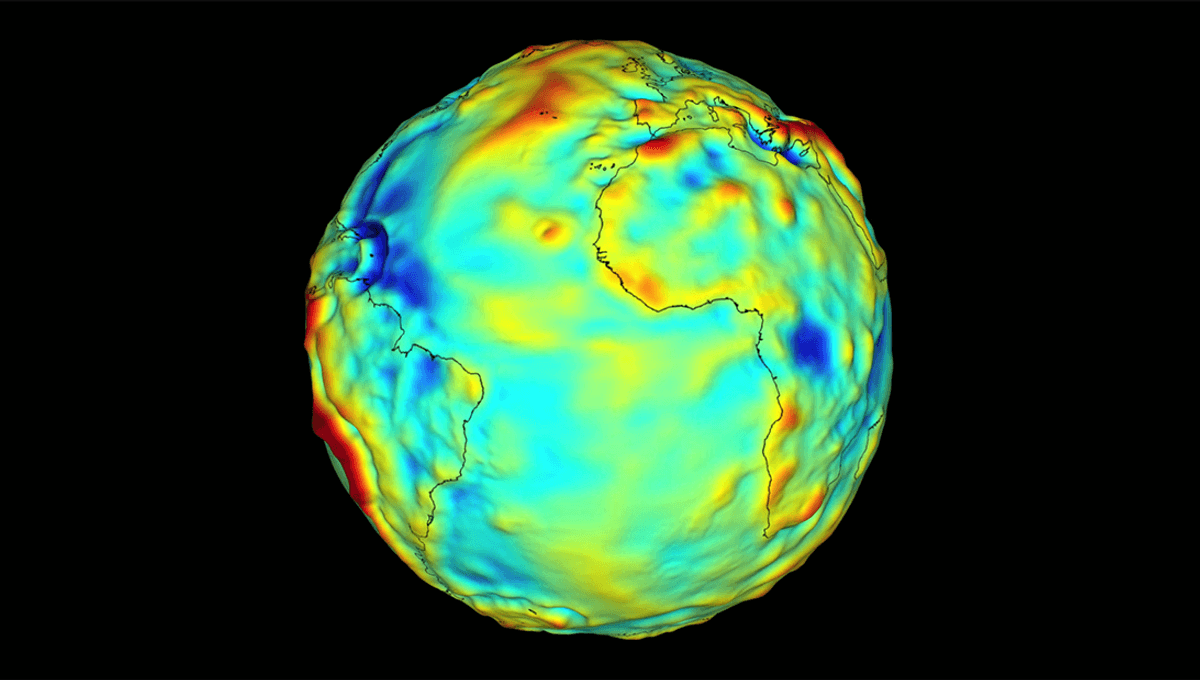
Scientists have uncovered new insights into the Indian Ocean Geoid Low, the largest gravity hole on Earth, linking it to mantle processes such as sinking slabs and rising plumes originating from deep within Earth's mantle, which have evolved over millions of years and are influenced by interactions with the African hotspot and mantle structures like the LLSVP.
Scientists have identified the cause of the Indian Ocean Geoid Low, a large gravity anomaly, as deep mantle processes involving ancient subducted slabs and buoyant plumes beneath Africa, which have reshaped Earth's gravity field over the past 20 million years.
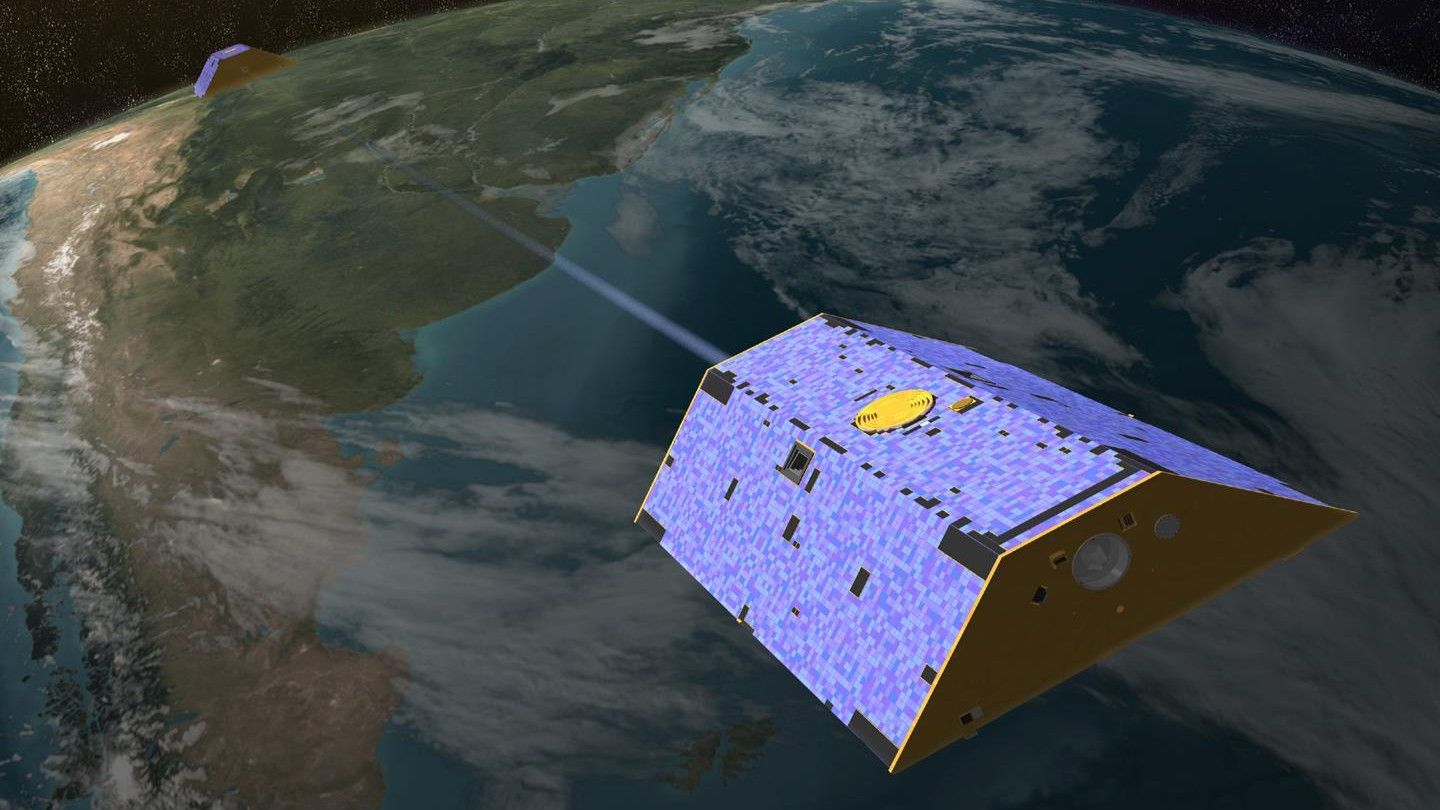
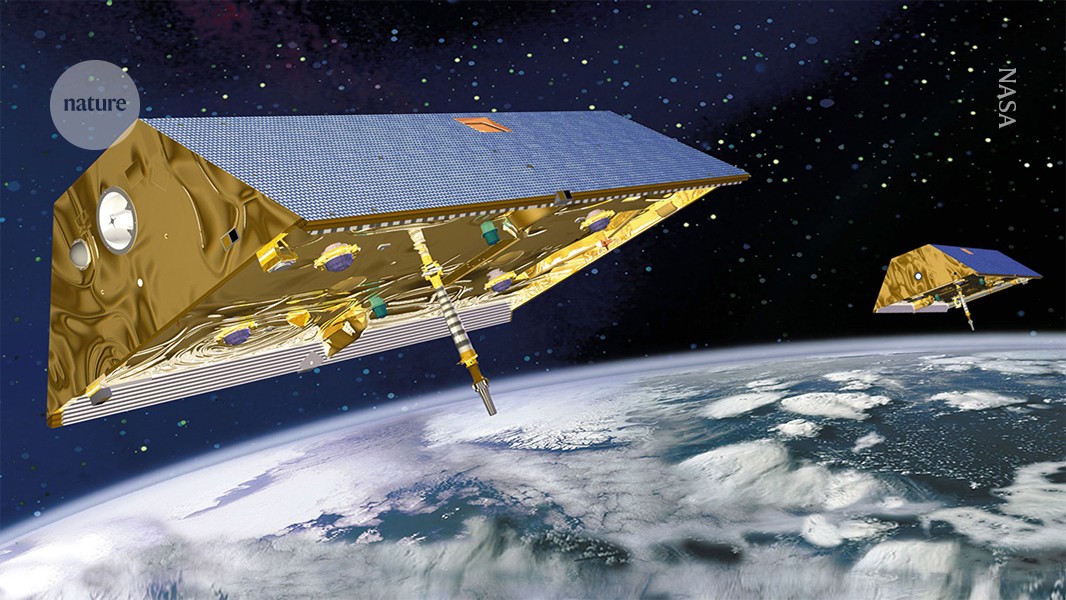
Researchers analyzing data from the GRACE satellites discovered a mysterious gravity signal off the coast of Africa that lasted for about two years, likely caused by a previously unknown geological process involving a phase transformation in Earth's lower mantle, revealing the planet's complex internal dynamics.
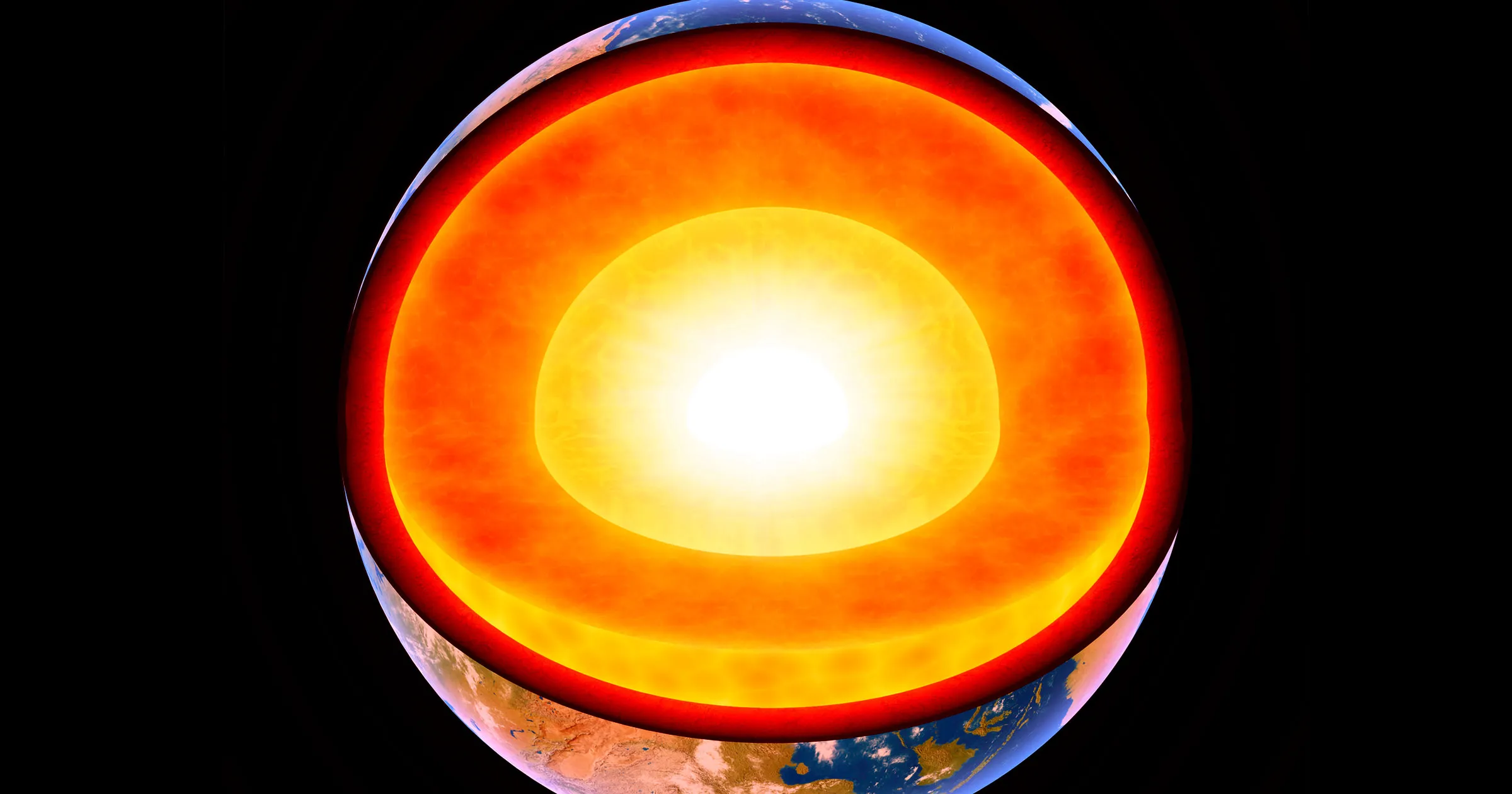
Scientists analyzing data from NASA's GRACE satellites discovered evidence of a massive shift deep within the Earth's interior near the core-mantle boundary, possibly caused by changes in mantle minerals like perovskite, which may have influenced Earth's magnetic field and caused a geomagnetic jerk around 2007. They plan to use data from the follow-up GRACE-FO mission to further investigate these deep Earth processes.
Researchers using NASA's GRACE data discovered a 7,000 km gravity anomaly over the Atlantic, potentially linked to a 'geomagnetic jerk' caused by rapid mass redistributions deep within Earth's mantle, possibly at the core-mantle boundary, indicating complex interactions between Earth's interior and magnetic field.
Satellites have revealed mysterious changes near Earth's core, suggesting a transformation in deep underground rocks that may be causing the core to leak, providing new insights into Earth's internal structure and its effects on seismic activity and magnetic field.
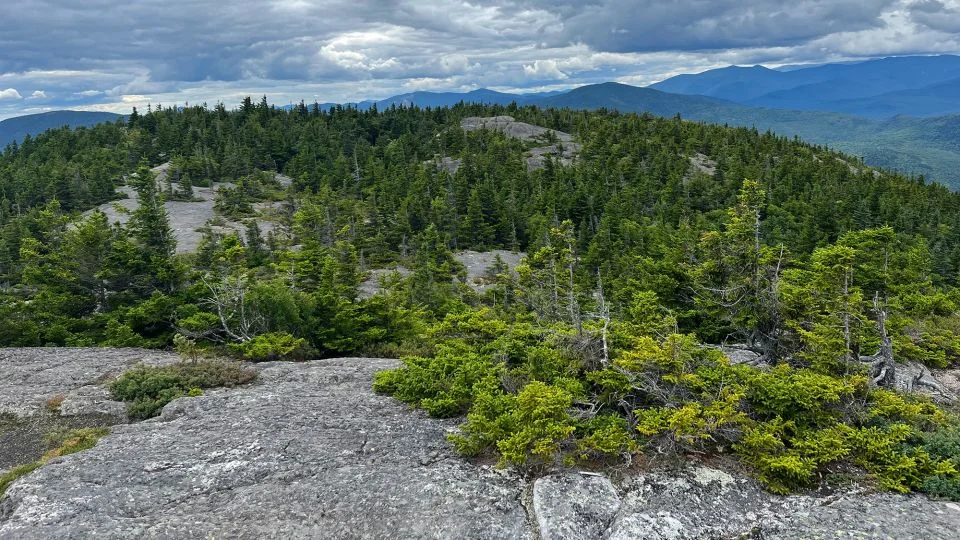
A large, hot rock anomaly beneath New Hampshire, called the Northern Appalachian Anomaly, may explain the uplift and stability of the Appalachian Mountains and is moving towards New York over the next 15 million years, offering new insights into Earth's deep geological processes.