Tag

Meat Allergy

All articles tagged with #meat allergy

Tick bites spark a life-threatening meat allergy: alpha-gal syndrome
health2 months ago

Tick bites spark a life-threatening meat allergy: alpha-gal syndrome

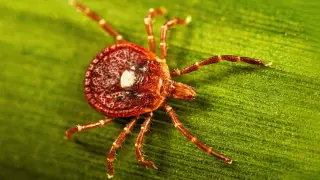
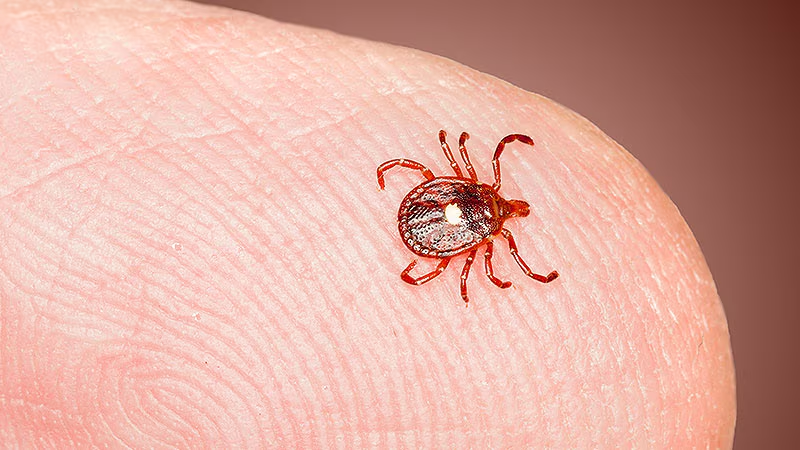
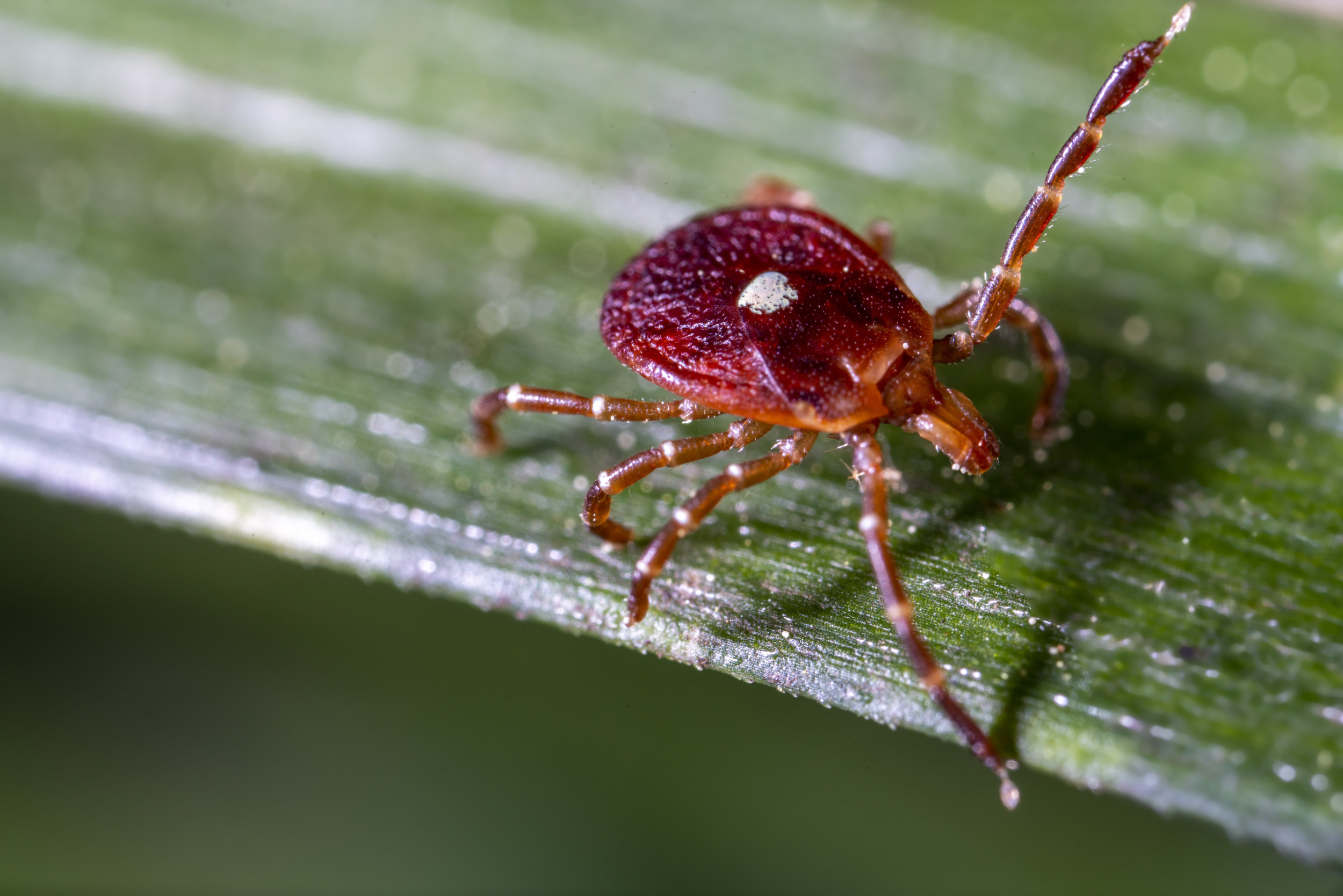
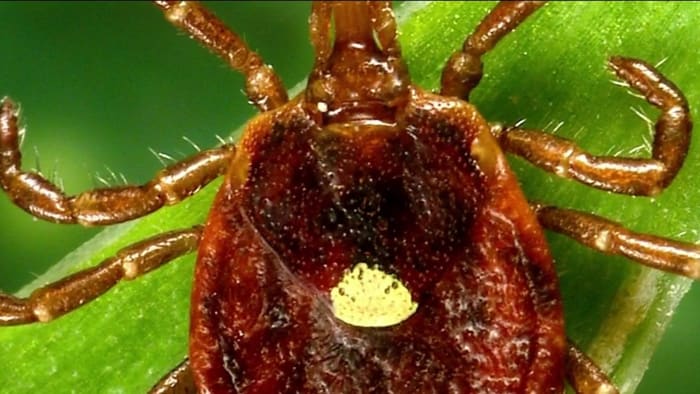
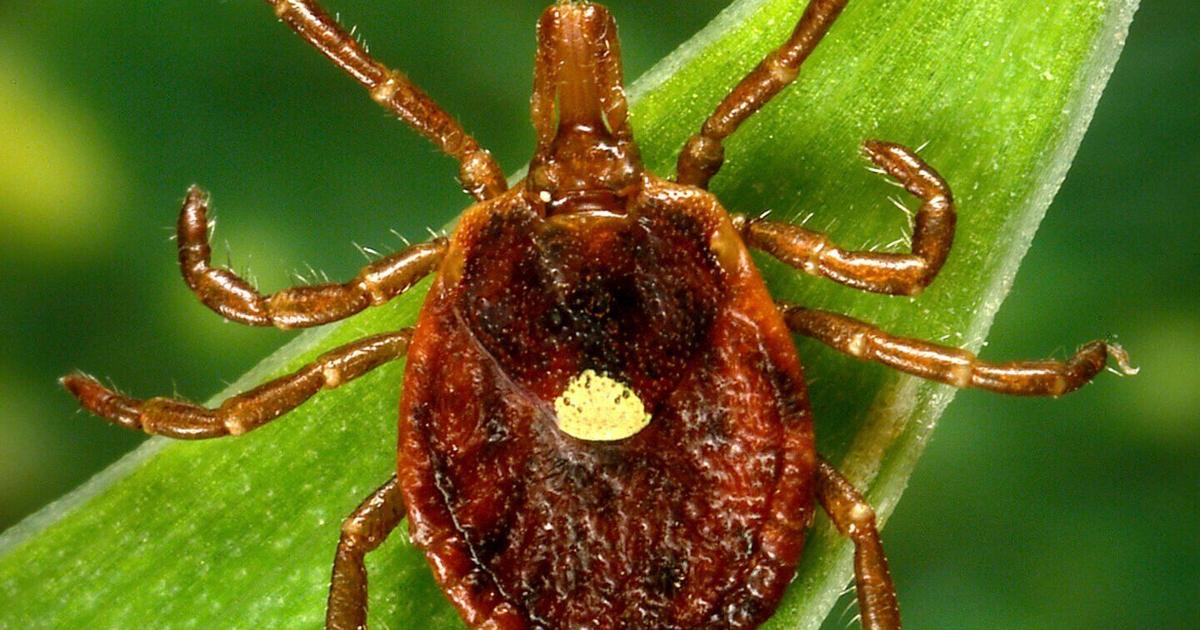
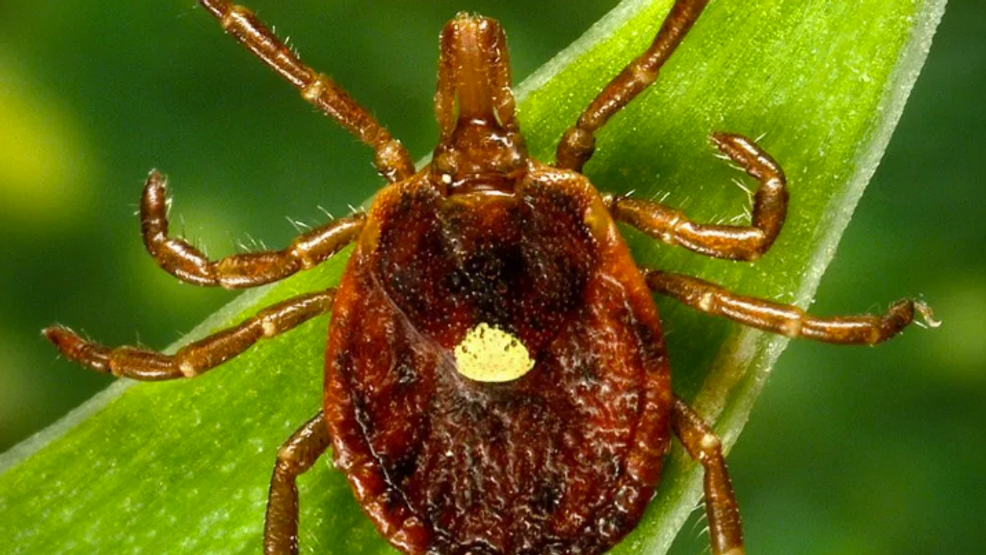
Alpha-gal syndrome is a potentially life‑threatening meat allergy triggered by lone star tick bites, causing delayed reactions after eating mammal meats while seafood and poultry are safe. About 450,000 Americans are affected as the lone star tick’s range expands. The allergy results from antibodies to the alpha-gal sugar introduced by bites; diagnosis combines symptoms with a blood test, though tests can yield false positives. Management typically involves avoiding mammal meats (and sometimes dairy) and carrying an epinephrine injector. In 2024 the FDA approved Xolair to reduce severe reactions, with ongoing research into additional therapies; some patients may outgrow the condition after years, but avoiding new tick bites remains crucial.

Tick bites can trigger a rare meat allergy: alpha-gal syndrome explained
health2 months ago

Tick bites can trigger a rare meat allergy: alpha-gal syndrome explained

Alpha-gal syndrome is a life-threatening meat allergy linked to tick bites, especially from the lone star tick, estimated to affect about 450,000 Americans. Symptoms typically appear hours after consuming mammal meat or dairy, and diagnosis relies on symptoms plus blood tests that can yield false positives. Management centers on avoiding beef, pork, and lamb, carrying an epinephrine injector, and, in 2024, FDA-approved Xolair to reduce severe reactions; some patients may outgrow the allergy over years, while researchers are exploring additional therapies and considerations like GalSafe pig meat and certain medical implants.

Tick bites can trigger a mammal-meat allergy: the rise of alpha-gal syndrome and new treatments
health2 months ago

Tick bites can trigger a mammal-meat allergy: the rise of alpha-gal syndrome and new treatments

Alpha-gal syndrome is a mammal-meat allergy triggered when certain ticks inject the sugar alpha-gal into the bloodstream, provoking antibodies and reactions hours after eating beef, pork, or lamb. Cases are rising as tick habitats expand, and diagnosis combines symptoms with blood tests (which can yield false positives). Management centers on avoiding mammal meats and certain byproducts; a small number of pigs engineered to lack alpha-gal (GalSafe) are FDA-approved for consumption, and the FDA approved Xolair (omalizumab) in 2024 to reduce severe reactions, with more therapies in the works. The allergy can fade in 15–20% of people after years with strict tick-bite avoidance.

"Beware the Lone Star Tick: Meat Allergy Risk on the Rise"
health2 years ago

"Beware the Lone Star Tick: Meat Allergy Risk on the Rise"

Several U.S. states have issued warnings about the lone star tick, which can cause alpha-gal syndrome, a serious meat allergy, if it bites humans. The CDC reported over 100,000 suspected cases from 2010 to 2022. States like Georgia, Michigan, North Carolina, Virginia, and Connecticut are among those alerting residents to the risks, especially as the prevalence of these ticks increases in the summer months.

Tick-Borne Allergy Epidemic: Neman's Story and New Disease Threats
health2 years ago

Tick-Borne Allergy Epidemic: Neman's Story and New Disease Threats

Alpha-gal syndrome is an allergy to a carbohydrate molecule found in lower mammals, causing reactions to meat, dairy, and gelatin. Tick bites are believed to play a role in the development of this allergy, which is more common in areas with tick habitats. While avoiding tick bites is the best prevention, the allergy may fade over time if further bites are avoided. Patients may still be able to consume dairy and certain medications, but dining out can be challenging due to lack of awareness and accommodation in restaurants.

"Virginia Faces Growing Health Crisis: Department of Health and CDC Sound Alarm"
health3 years ago

"Virginia Faces Growing Health Crisis: Department of Health and CDC Sound Alarm"

Health officials in Virginia have issued a warning about the rise of alpha-gal syndrome (AGS), a potentially life-threatening meat allergy contracted through tick bites. AGS primarily causes hives, upset stomach, diarrhea, and a drop in blood pressure, and can even lead to death. The syndrome is spread by the lone star tick, which is prevalent in Virginia. Tick bites transmit a sugar molecule called alpha-gal into the body, triggering an immune response that can result in allergic reactions to certain types of meats and mammal products. Currently, there is no treatment or cure for AGS. Health officials recommend taking precautions to avoid tick bites, such as wearing light-colored clothing and using repellents.

health3 years ago

Tick Bites: A Growing Threat to Red Meat Lovers, CDC Warns

The Centers for Disease Control (CDC) estimates that nearly half a million people in the US may have been affected by alpha-gal syndrome, a potentially life-threatening allergic condition caused by a tick bite. Alpha-gal syndrome is an allergic reaction to a sugar called alpha-gal found in red meat and other products. The CDC reports that between 2010 and 2022, there were over 110,000 suspected cases identified, but the actual number of cases could be much higher due to underdiagnosis. The syndrome is primarily associated with the bite of a lone star tick, and symptoms can range from hives and rash to severe stomach pain. The CDC emphasizes the importance of tick bite prevention and raising awareness among healthcare providers to properly diagnose and manage patients with alpha-gal syndrome.

Tick Bites in RI Linked to Rising Cases of Meat Allergy, CDC Reports
health3 years ago

Tick Bites in RI Linked to Rising Cases of Meat Allergy, CDC Reports

The Centers for Disease Control and Prevention (CDC) released two studies revealing that the number of people in Rhode Island with a meat allergy triggered by tick bites is likely higher than official numbers suggest. The studies estimate that as many as 110,000 Americans developed an allergy to red meat between 2010-2022 due to alpha-gal syndrome (AGS), but the true number may be closer to 450,000. The number of people testing positive for alpha-gal antibodies rose from about 13,000 in 2017 to 19,000 in 2022. The expansion of lone star ticks and lack of awareness among healthcare workers contribute to the increasing cases. Symptoms of AGS include hives, nausea, heartburn, diarrhea, and severe allergic reactions. The CDC urges those who suspect they may be infected to seek medical attention and emphasizes the importance of tick bite prevention.