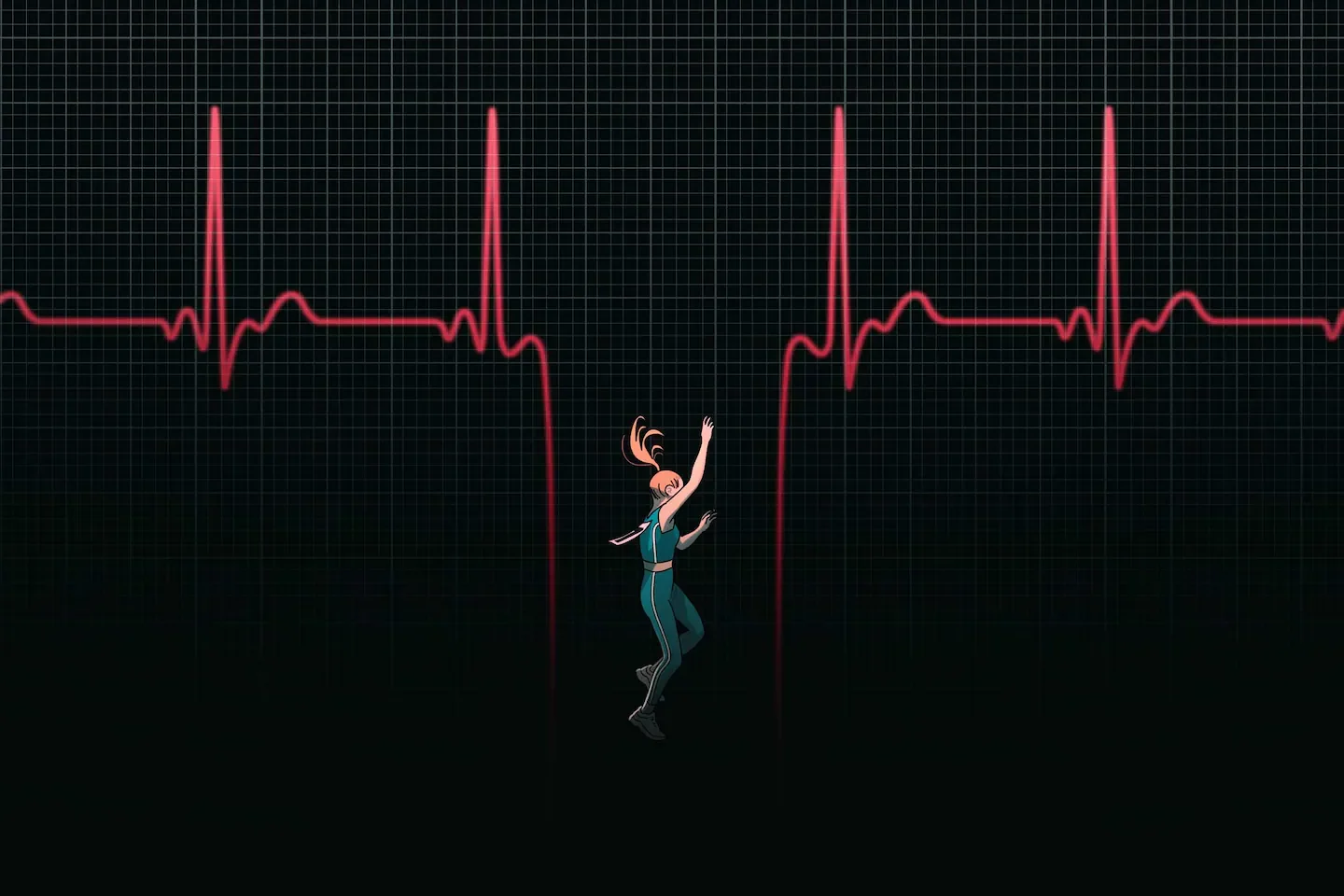
Janet Mercel’s lifelong fainting spells were misdiagnosed for years until doctors pinpointed a severe neurocardiogenic syncope; in 2014 a leadless pacemaker was implanted, dramatically reducing her fainting and giving her a new lease on life.
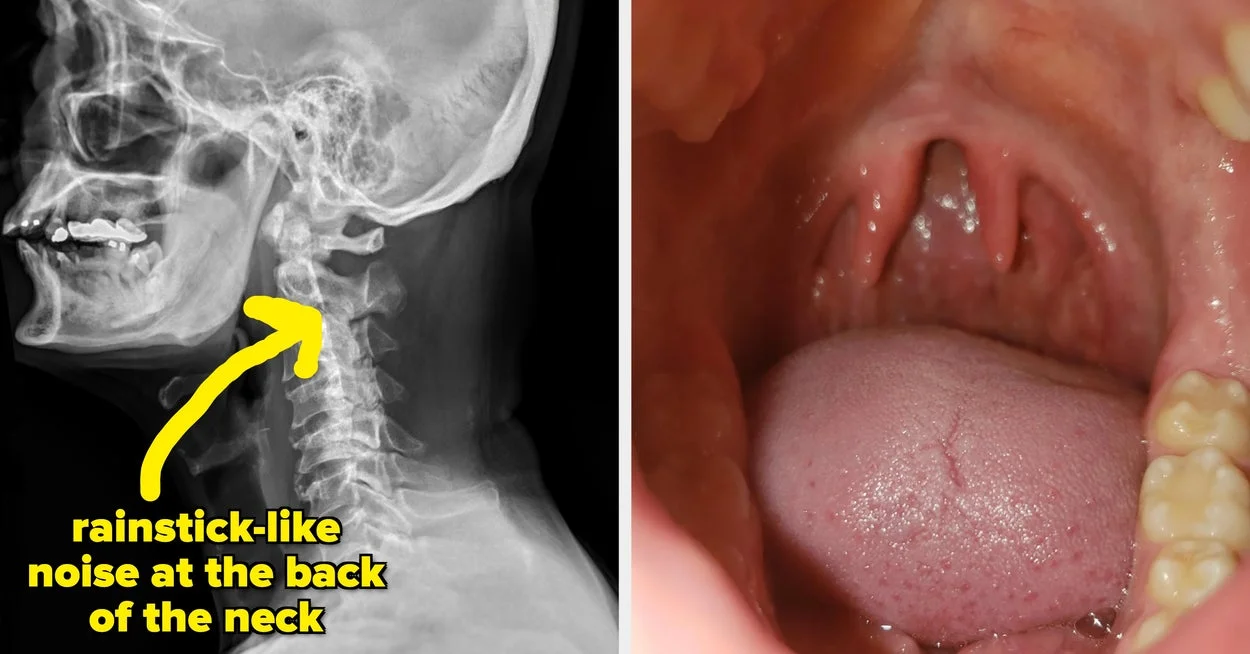
BuzzFeed’s feature collects 64 reader-submitted medical quirks—from chromhidrosis and Alice in Wonderland Syndrome to synesthesia and sleepwalking—showing how diverse and validating these unusual bodily experiences can.
BuzzFeed collects Reddit anecdotes and expert notes to highlight 21 enduring puzzles about the human body—ranging from colic and labor triggers to how anesthesia or sleep truly works and why autoimmune diseases or brain injuries defy easy prediction—illustrating that much of biology remains not fully understood.
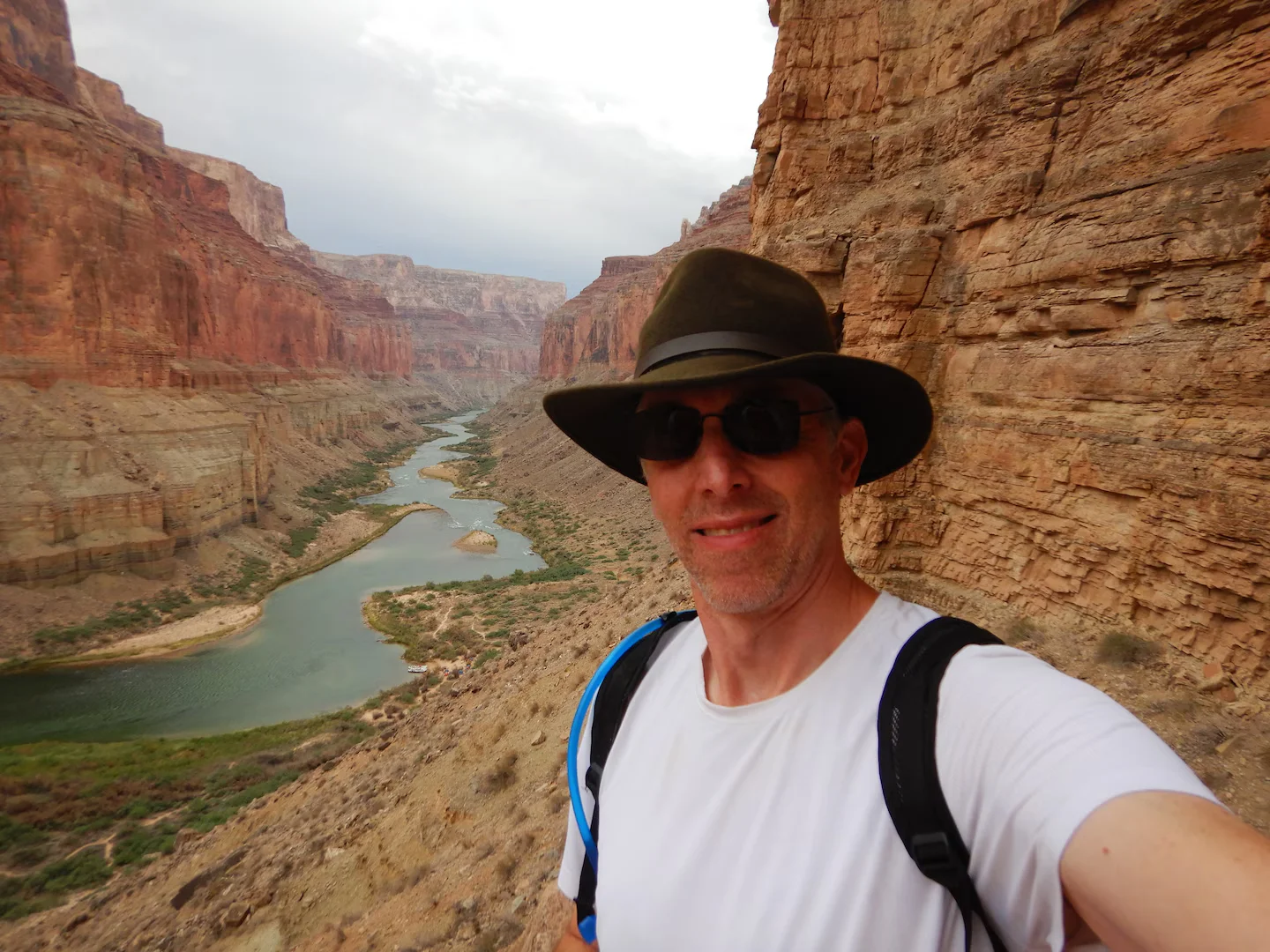
A healthy 55-year-old man developed neck and foot stiffness during a two‑week Grand Canyon rafting trip, followed by painful swelling in his shoulders and hands after returning home, leading doctors to misdiagnose his condition as arthritis. Subtle clues eventually revealed a rare syndrome, illustrating how early symptoms can mislead clinicians and delay a correct diagnosis in medicine.
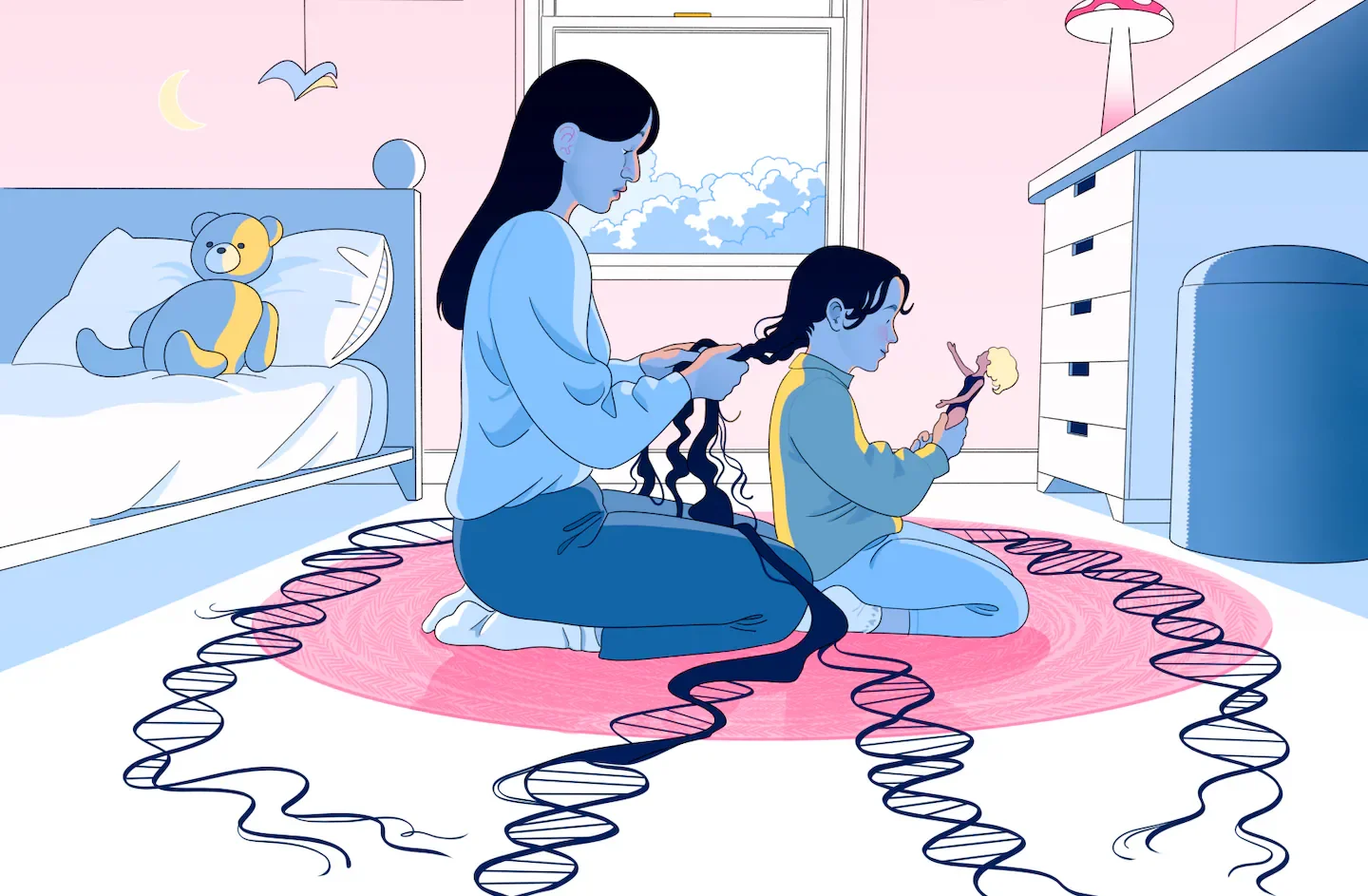
A baby born small with early health issues and years of fevers and hair loss finally received a diagnosis after doctors used genetic testing, illustrating how genomic analysis can crack puzzling pediatric illnesses.
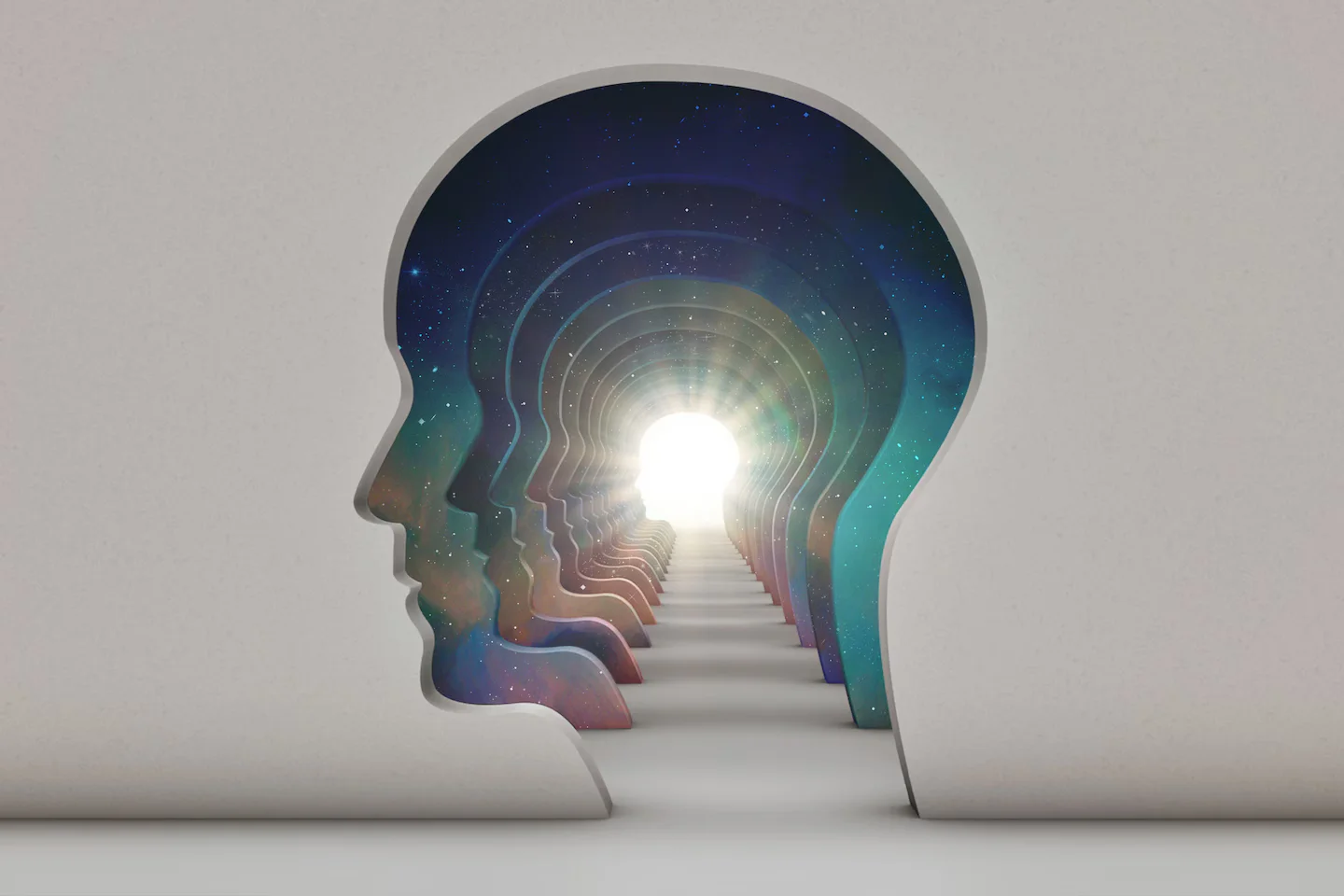
The Washington Post examines near-death experiences (NDEs) through patient stories and a developing scientific model that aims to explain them, while noting ongoing debate about whether NDEs indicate an afterlife or arise from brain activity and cultural expectations during extreme medical crises.
The article highlights 12 intriguing and unusual medical cases from the past year, including rare conditions, diagnostic challenges, and innovative treatments, showcasing the complexity and teamwork involved in medical diagnosis.
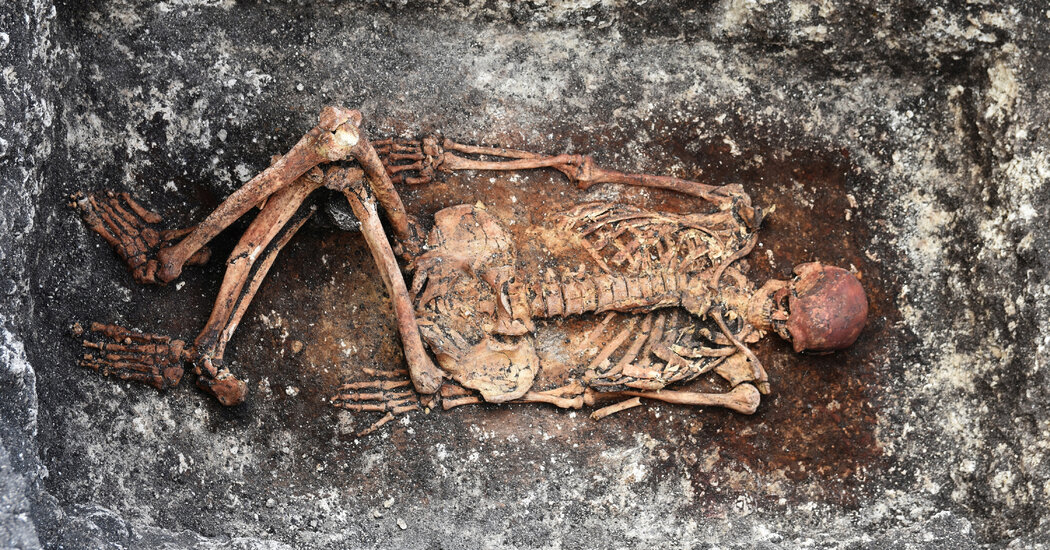
Genetic fragments from Bronze Age skeletons are shedding light on modern medical mysteries, offering insights into conditions like multiple sclerosis and diabetes. This new field of study is revolutionizing the way we approach treatments for devastating diseases, providing hope for the future of medicine.
Bridget Houser experienced weight gain, anxiety, insomnia, hair loss, and acne leading up to her wedding, which doctors initially attributed to stress and wedding jitters. However, after months of suffering, Houser insisted on further testing, which revealed that she had Cushing's syndrome, a rare hormonal disorder caused by excess cortisol production. The syndrome was ultimately linked to a neuroendocrine lung cancer. Houser underwent surgery to remove the tumor and has since achieved remission from both Cushing's and cancer. Her case highlights the challenges of diagnosing rare diseases and the importance of advocating for oneself in medical care.
Undiagnosed diseases, which affect an estimated 350 million people worldwide, can be particularly devastating for children and their families. These conditions, characterized by a lack of known cause despite extensive evaluation, often leave parents feeling lost and alone. The search for a unifying diagnosis becomes crucial in understanding the course of the disease and potential treatments. However, the lack of genetic expertise among physicians and limited funding for research pose significant challenges. Despite the tragic loss of their three children to undiagnosed diseases, one family has established a foundation and organized a world congress to raise awareness and support research efforts in this field.