Adopted adults in the UK often lack access to biological family medical histories, creating significant health risks. While genetic testing can mitigate some gaps, systemic barriers in record-keeping and data sharing remain a major concern for patients and policymakers.
Bristol Foundation NHS Trust is investigating three nurses and one doctor for accessing the medical records of Oliver McGowan, an 18-year-old autistic boy who died in 2016, without legitimate professional reasons. His mother, Paula McGowan, reported that 38 individuals accessed his data since his death, with 637 items viewed and 67 printed. While most access was linked to legal proceedings or inquests, the trust is formally investigating three nurses who had no involvement in his care. One nurse allegedly accessed the files out of general interest in anti-psychotic drugs. A former doctor has self-referred to the General Medical Council. The trust has voluntarily referred itself to the Information Commissioner's Office and apologized for the distress caused. This case highlights ongoing concerns about unauthorized access to sensitive patient data in the NHS, following recent high-profile breaches and a new zero-tolerance policy from NHS England.
Healthwatch England warns that NHS AI scribes used to transcribe consultations can misname medications and misstate diagnoses, risking errors in patients’ medical records. Reported cases include a misreported demyelination diagnosis and a confused drug name, highlighting the need for clear reporting and correction pathways and for oversight as AI tools are rolled out, since clinicians may still need to review transcripts to ensure accuracy.
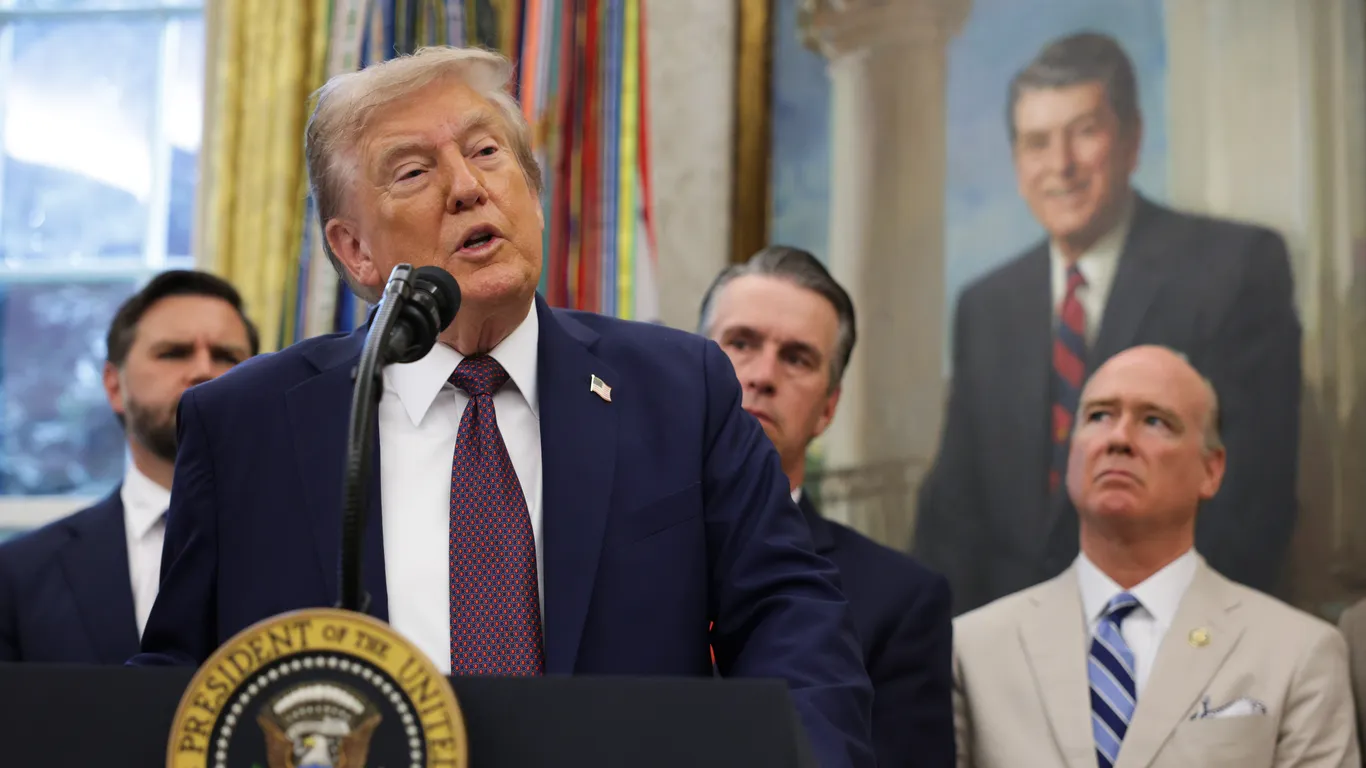
The latest White House medical report omits finasteride, a hair-loss drug previously reported to be used by Trump during his first term. White House officials did not explain the omission, prompting questions about health disclosure and transparency, with experts calling for independent assessment of Trump’s health information.
HHS Secretary RFK Jr. is seeking access to identifiable Americans’ medical records via state health-information exchanges to study a possible link between vaccines and autism. The move has drawn privacy, legal, and practical questions, with some exchanges reluctant to share data and officials noting unclear protections. Kennedy and allies point to a pipeline of studies and Nebraska-linked funding, but there is no disclosed plan for data handling or public rollout, and critics warn the data may not yield definitive answers.
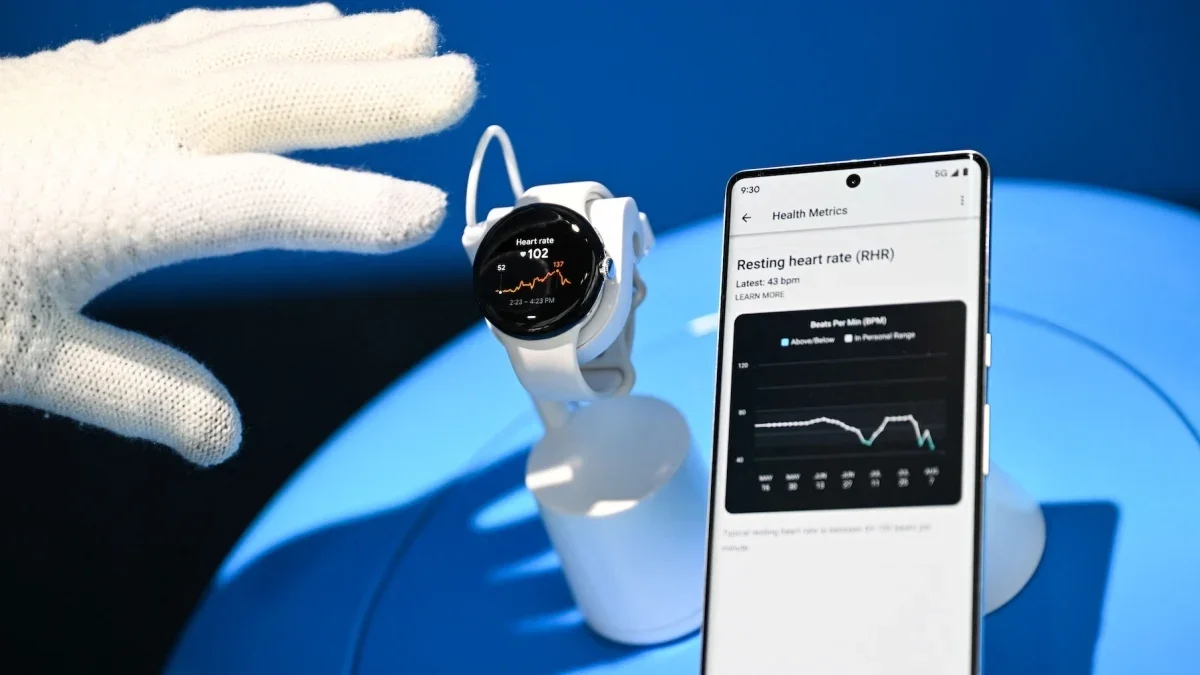
Google’s Fitbit app is adding Gemini-powered Coach to tailor health guidance using medical data via partners like b.well Connected Health and Clear. Users are being nudged to switch to Google accounts (and Fitbit accounts are discontinued), with a May 19, 2026 deadline extension—raising privacy questions about who can access health records and how they’re used, even as Google says data won’t be used for ads.
OpenAI has launched ChatGPT Health in the US, a new feature that analyzes users' medical records and app data to provide personalized health advice, raising privacy concerns despite assurances of data separation and protection; the tool is not yet available in the UK or Europe and aims to support, not replace, medical care.
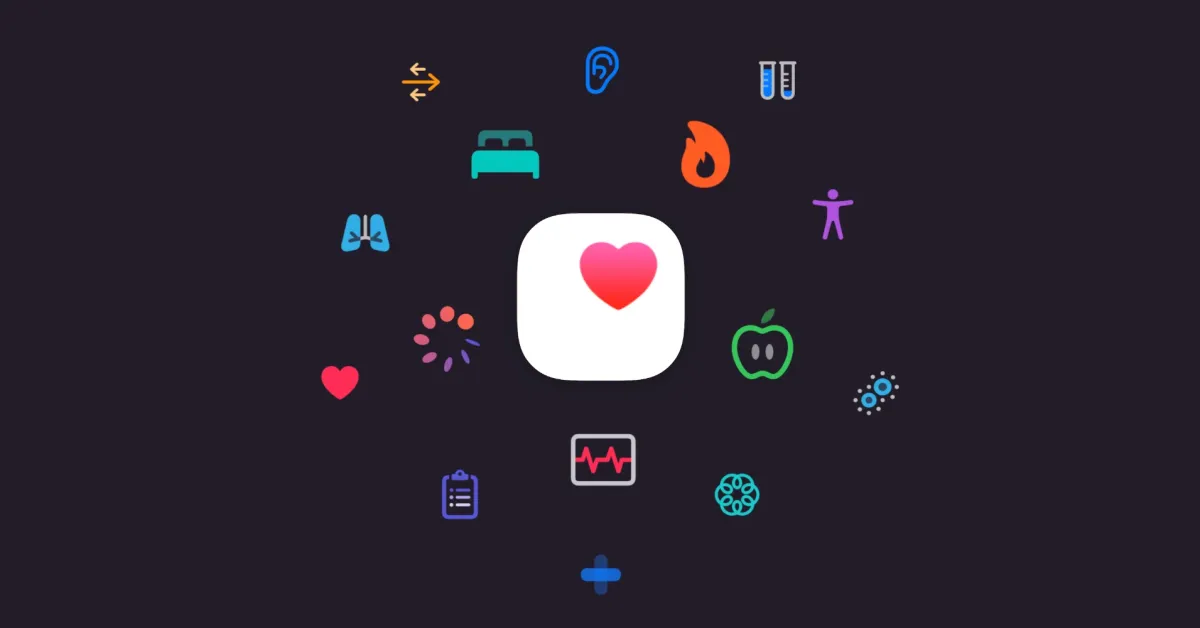
The article highlights the powerful features of the Apple Health app, emphasizing its integration with Apple Watch, third-party fitness trackers, medical records, and accessories to comprehensively monitor health metrics, organize data, and support healthier living in 2026.
President Trump addressed rumors about his health, calling them 'fake news' and asserting he is 'very active,' while also criticizing Biden's health. He also announced a military strike against a drug cartel off Venezuela's coast, claiming to have killed 11 members of the Tren de Aragua cartel.
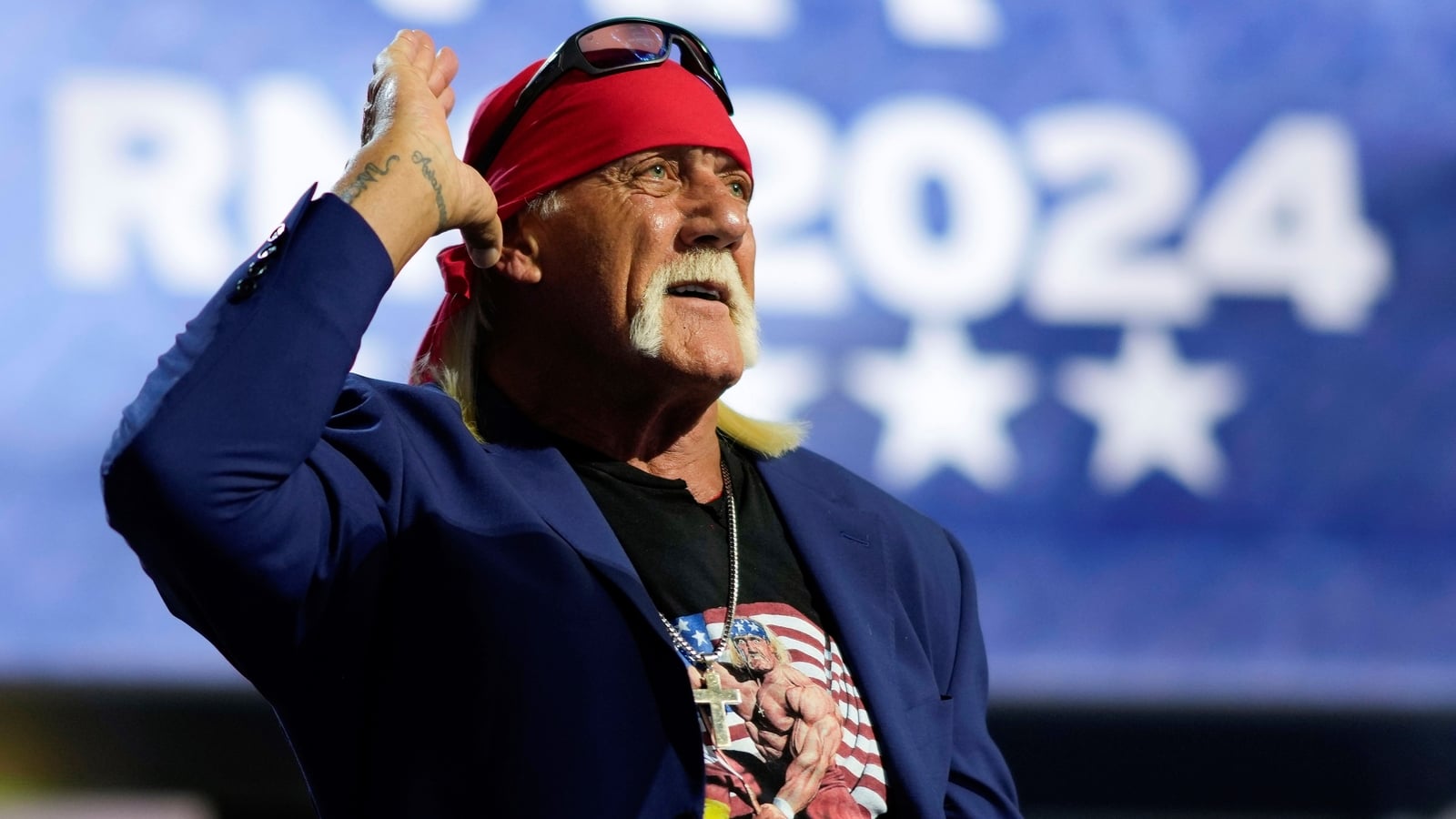
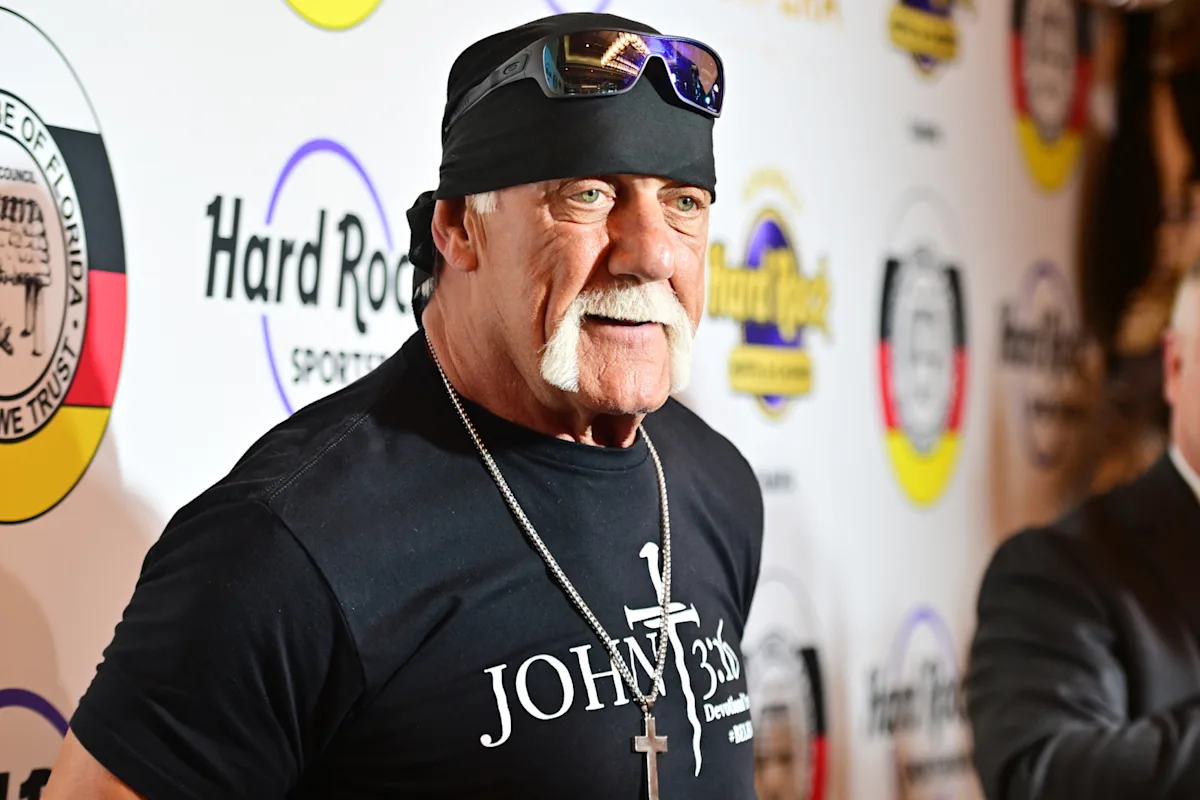
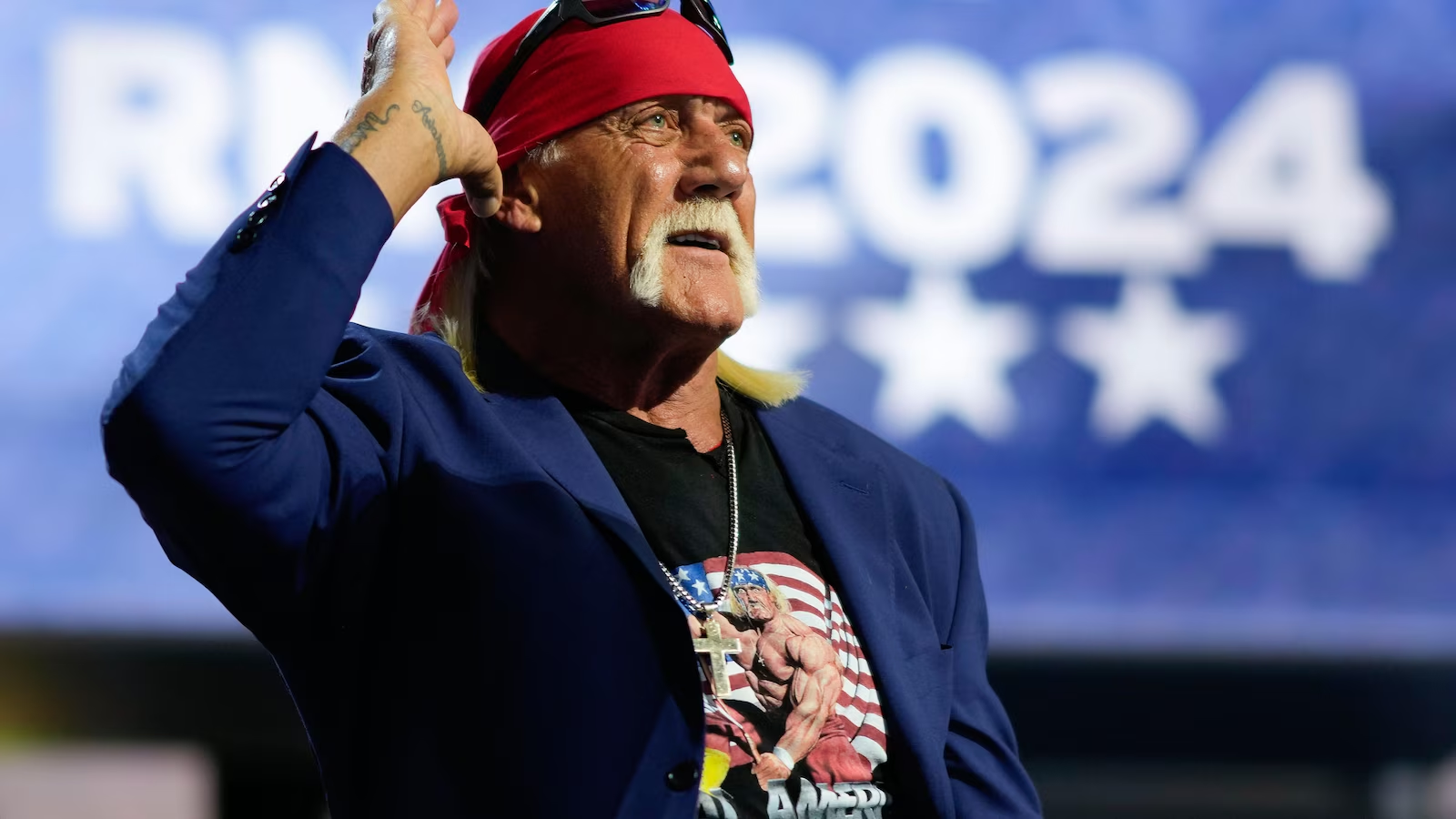
Police in Florida are investigating the death of Hulk Hogan, which was caused by a heart attack, with ongoing efforts to review medical records and interview witnesses, while no foul play has been suspected.
The police in Clearwater, Florida, are still investigating Hulk Hogan's death, which was confirmed as a heart attack, amid ongoing questions raised by his daughter about the circumstances and potential additional information from police body cam footage and 911 tapes. The investigation involves reviewing medical records and witness interviews, with no evidence of foul play so far, and Hogan's family is being briefed on the case.
Police in Florida are investigating the death of Hulk Hogan, which was caused by a heart attack, with ongoing efforts to review medical records and interview witnesses, but no foul play is suspected. The investigation remains open, and details are being kept private as Hogan's family is involved.
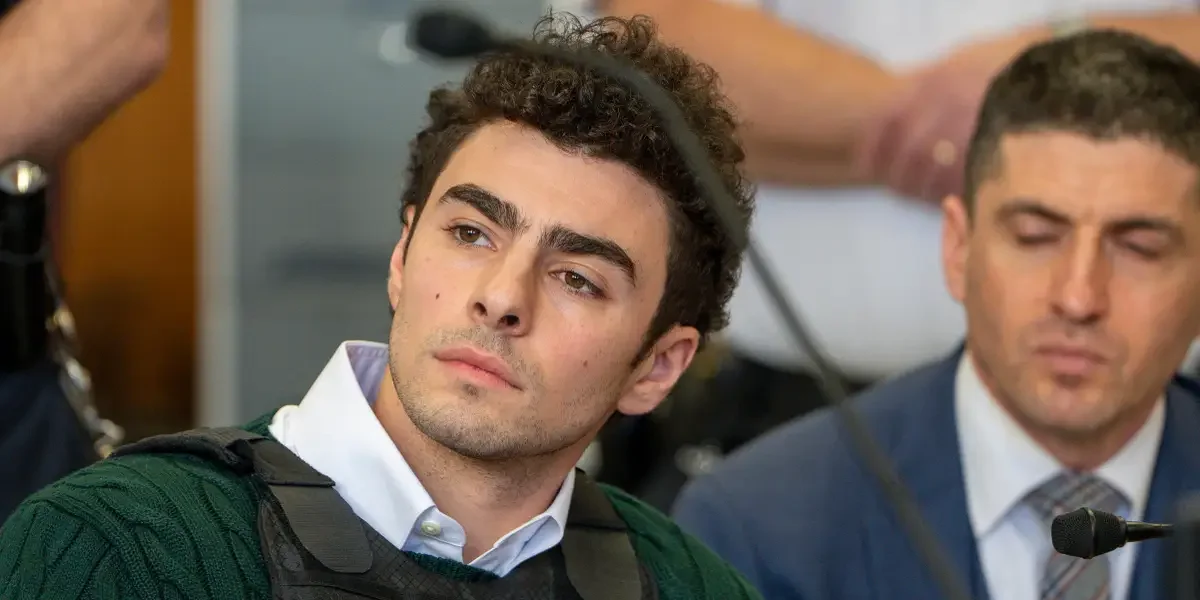
Lawyers for Luigi Mangione allege that Aetna mistakenly sent prosecutors 120 pages of confidential medical records after an unlawful subpoena, raising concerns about privacy violations and procedural misconduct in his case involving murder charges. They seek judicial review and remedies for potential legal violations.
Montana Senate candidate Tim Sheehy is under scrutiny for a gunshot wound he claims to have received while serving as a Navy SEAL in Afghanistan in 2012. However, in 2015, he reportedly told a park ranger that he accidentally shot himself in Glacier National Park. Sheehy recently stated there are no medical records to verify the incident, raising questions about the authenticity of his account.
A cyberattack on Ascension, one of the largest U.S. health systems with 140 hospitals, has caused significant disruptions in patient care by limiting access to digital medical records. For over two weeks, medical staff have resorted to using paper and handwritten orders, leading to delays in treatments and long waits in emergency rooms. The attack highlights the vulnerabilities in the healthcare system's reliance on digital records and the risks of consolidation.