
Medieval Parchment Reveals 3,500-Year History of Sheeppox Virus
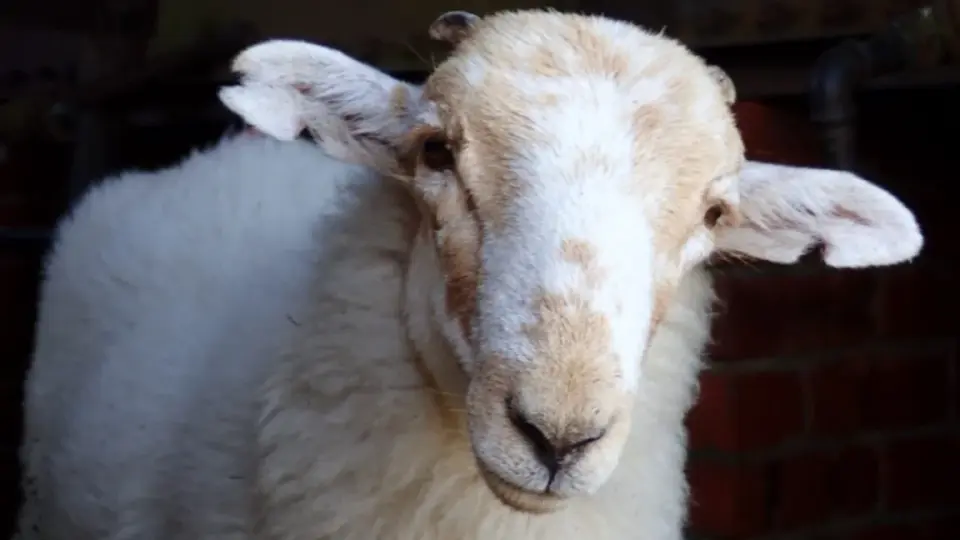
Researchers at University College Dublin extracted sheeppox virus DNA from medieval manuscripts and Bronze Age sheep teeth, reconstructing the pathogen’s evolution over 3,500 years. Published in Science Advances, the study identifies 21 ancient genomes, revealing that the virus diverged from other capripoxviruses between 11,500 and 3,700 years ago, coinciding with animal domestication. The findings suggest medieval parchment preserves biological records of livestock disease, offering insights into viral stability and historical outbreaks across Eurasia.
Key points
- Scientists recovered 21 ancient sheeppox virus genomes from medieval manuscripts and Bronze Age sheep teeth, spanning 1700 BCE to the early modern period.
- The virus diverged from goatpox and lumpy skin disease viruses between 11,500 and 3,700 years ago, aligning with the domestication of sheep in Europe.
- Sheeppox DNA was found on calfskin and goatskin parchment, suggesting cross-species infection or contamination during parchment production.
- The sheeppox virus genome showed long-term genetic stability, unlike smallpox, with some gene losses present in the oldest genomes.
- The study highlights medieval archives as potential repositories for ancient pathogen DNA, aiding future disease research.
Background
This study builds on prior research using ancient DNA to track pathogens, such as the 2025 analysis of Napoleon’s army remains identifying Salmonella and Borrelia. It also follows our August 2026 coverage of Guernsey’s medieval manuscript fragments, which highlighted the preservation of cultural and biological materials in parchment. The current research expands on these findings by focusing on animal disease history, linking viral evolution to livestock domestication and medieval agricultural practices.
How outlets are covering it
Ars Technica emphasizes the broad implications for global archives, noting that libraries worldwide may contain genetic traces of past animal diseases. Archaeology News Online focuses on the archaeological significance, highlighting the use of Bronze Age sheep teeth and the link between virus evolution and sheep domestication. Archaeology Magazine underscores the practical impact of sheeppox on livestock, including wool, meat, and milk production, and notes the virus’s continued relevance in modern outbreaks like the one in Greece. Nautilus highlights the stability of the sheeppox genome and the potential for future pathogen control, contrasting it with smallpox’s genetic variability. All sources agree on the core findings but differ in emphasis: Ars Technica on archival potential, Archaeology News on historical context, Archaeology Magazine on agricultural impact, and Nautilus on virological implications.
Why it matters
The study demonstrates that medieval manuscripts are not just cultural artifacts but biological time capsules, preserving genetic records of animal diseases. This could aid in understanding pathogen evolution, improving disease control, and identifying historical outbreaks. The findings also suggest that global archives may hold untapped genetic data, offering new avenues for research in virology and public health. Additionally, the link between sheeppox and animal domestication provides insights into how human practices shaped viral evolution, with implications for modern livestock management and disease prevention.
What to watch
Researchers plan to analyze more medieval manuscripts from global archives to expand the sheeppox virus timeline and identify additional pathogen traces. The study may lead to further investigations into cross-species transmission and the role of parchment-making in disease spread. Future work could also compare ancient and modern sheeppox strains to improve vaccine development and outbreak response. The findings may prompt libraries and archives to consider their collections as potential sources for ancient DNA research, fostering interdisciplinary collaboration between virologists, archaeologists, and historians.
- Medieval manuscripts are "biological time capsules" for deadly sheeppox virus Ars Technica
- DNA traces on medieval parchment reveal 3,700-year history of deadly sheeppox virus Archaeology News Online Magazine
- Hidden DNA in medieval gospels reveals history of deadly livestock virus Phys.org
- News - Sheep Pox Virus Tracked With Medieval Parchment Archaeology Magazine
- Deadly Livestock Virus Found Lurking in Ancient Texts Nautilus | Science
Want the full story? Read the original reporting
Read on Ars Technica